
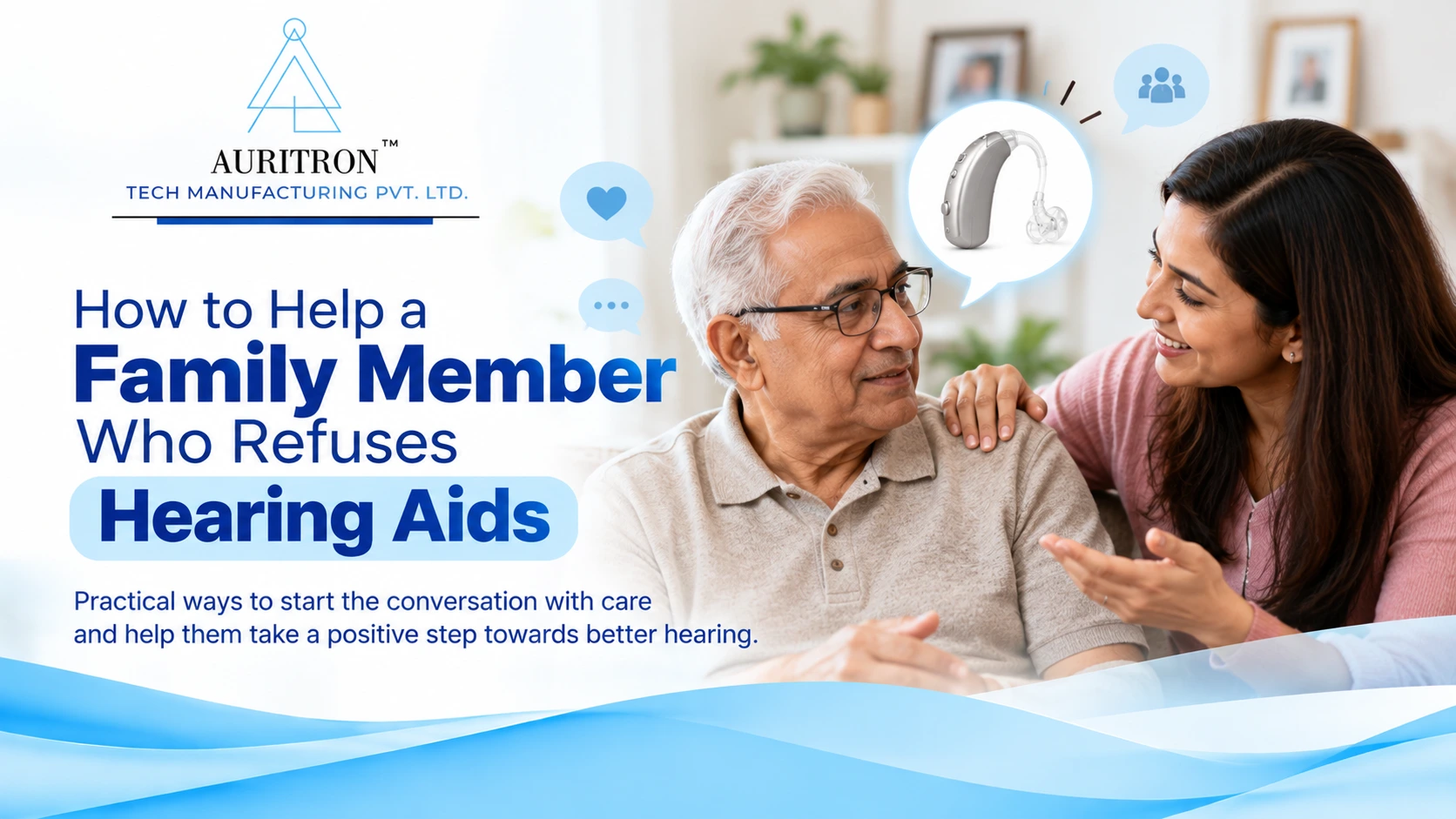
Watching a family member struggle to hear conversations can be difficult, especially when they refuse to consider hearing aids. They may frequently ask others to repeat themselves, increase the television volume, or avoid social gatherings because conversations have become challenging. However, suggesting hearing aids does not always lead to an immediate positive response.
Some people worry about the cost, appearance, comfort, or effectiveness of hearing aids. Others may not realise how much their hearing has changed. Knowing how to help a family member who refuses hearing aids starts with patience, empathy, and open communication rather than pressure. A supportive approach can help them feel comfortable discussing their hearing difficulties and considering suitable options when they are ready.
Refusing hearing aids does not necessarily mean someone is ignoring their health. Hearing loss often develops gradually, so a person may adapt to communication difficulties without recognising their impact. They might believe that others speak too softly or that background noise is the main problem.
Some individuals associate hearing aids with ageing or feel embarrassed about wearing a visible device. Others worry that hearing aids will be uncomfortable, complicated to operate, or unable to improve speech clarity. Financial concerns can also influence their decision. Recognising these concerns can help family members have a more constructive conversation and avoid making the person feel criticised.
Choose a quiet, comfortable time to discuss hearing difficulties rather than bringing up the subject during an argument or family gathering. Explain what you have noticed using specific examples, such as repeated misunderstandings during conversations or difficulty hearing the doorbell. Avoid blaming the person or suggesting that they are deliberately ignoring others.
Give them time to share their concerns. They may be worried about losing independence or feel uncomfortable admitting that their hearing has changed. Listening without interrupting can help build trust and make the conversation feel supportive rather than confrontational.
Instead of repeatedly telling your family member to wear hearing aids, talk about the activities they want to enjoy more comfortably. They may want to follow conversations with grandchildren, hear friends during outings, or participate more confidently in family gatherings.
Explain that hearing aids are designed to improve access to sound and can make communication easier for many people with hearing loss. However, results vary depending on the type and severity of hearing loss, and hearing aids do not restore normal hearing. Setting realistic expectations can help your family member consider the potential benefits without feeling pressured to make a decision.
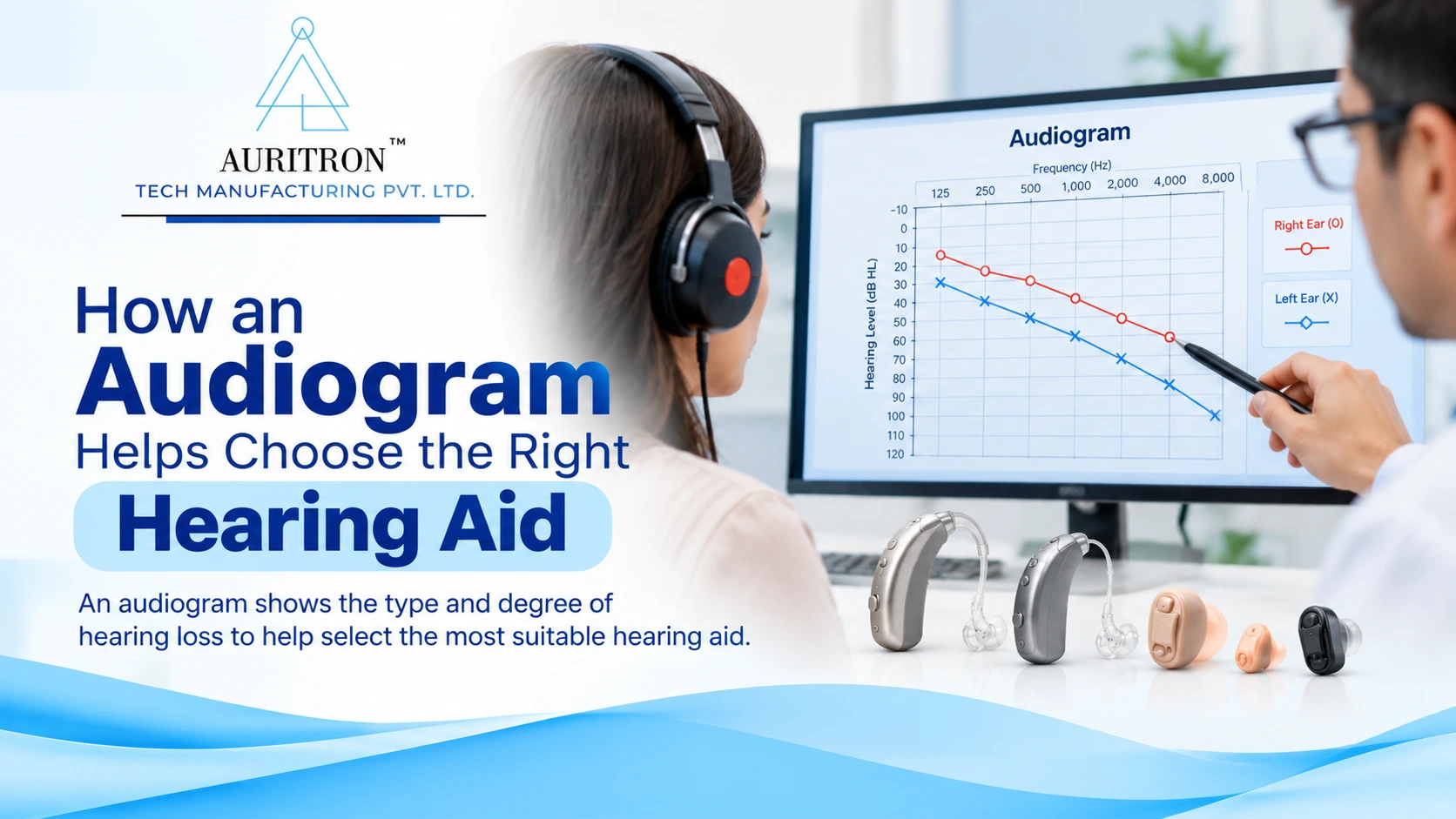
A hearing assessment can help determine whether hearing loss is present and identify its possible degree and pattern. Encourage your family member to consider an evaluation as a way to check their hearing rather than as a commitment to purchase hearing aids.
An audiologist can explain the test results, discuss suitable options, and answer questions about comfort, maintenance, and daily use. If the hearing difficulty is caused by a medical condition, such as earwax blockage or an ear infection, appropriate medical treatment may be needed. A hearing assessment helps guide the next steps according to the person’s individual needs.
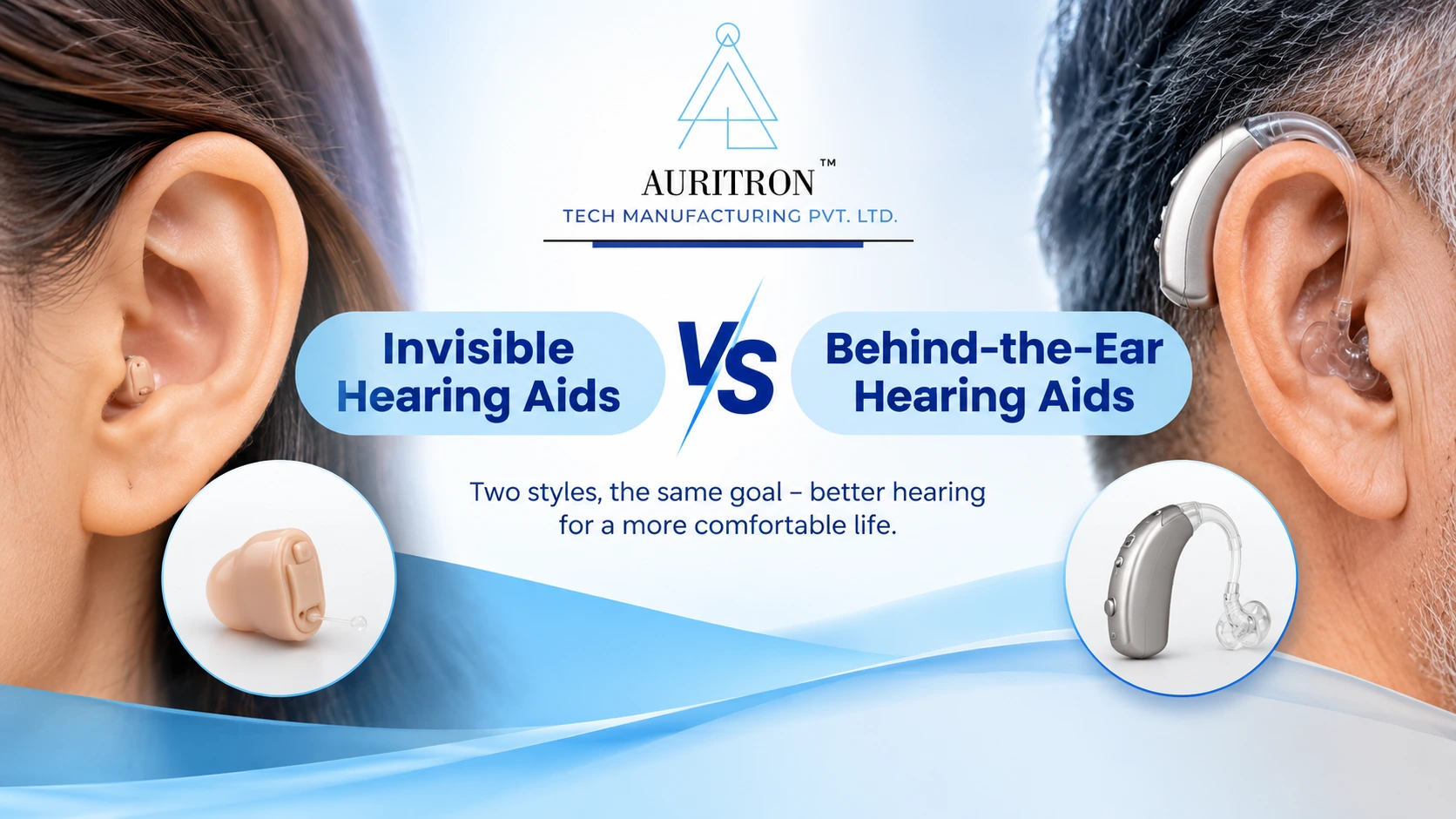
Ask what worries your family member most about hearing aids. If appearance is a concern, explain that devices come in different styles and sizes, although suitability depends on hearing needs and ear anatomy. If comfort is the main issue, an audiologist can discuss fitting options and adjustments.
If cost is a concern, explore devices within their budget and compare the features that matter most to them. Avoid assuming that the most expensive hearing aid is necessarily the best choice. The appropriate device should match the person’s hearing assessment, listening needs, comfort, and practical preferences.
Some hearing care providers offer demonstration or trial options, depending on their policies. These opportunities can allow a person to experience how a hearing aid feels and performs in everyday listening situations before making a longer-term decision. Ask about the trial period, fitting support, adjustment services, and return conditions before choosing an option.
You can support a family member’s hearing even if they are not ready to try hearing aids. Face them while speaking, keep your mouth visible, and speak clearly at a natural pace. Shouting can distort speech and make conversations more uncomfortable, so raising your voice excessively is usually unhelpful.
Reduce background noise by lowering the television or radio during conversations. Choose well-lit, quieter spaces for important discussions, and rephrase a sentence if they have difficulty understanding it. These small adjustments can reduce frustration and help everyone communicate more effectively.
Treat hearing difficulties as a practical communication concern rather than a personal failing. Avoid making jokes about missed words, discussing their hearing problems in front of others without permission, or repeatedly correcting them in public. Ask what communication support they prefer and respect their privacy. Feeling included and respected can make it easier for someone to discuss hearing care when they feel ready.
Your family member may be more willing to consider hearing aids when they feel that the decision belongs to them. Offer to help arrange a hearing assessment, accompany them if they want support, or write down questions they would like answered. Let them compare different styles and understand the fitting process before deciding.
If they choose to try hearing aids, encourage gradual adjustment according to the audiologist’s instructions. They may need time to become accustomed to unfamiliar sounds, and follow-up adjustments can help improve comfort and performance. Avoid promising immediate or perfect hearing, as adaptation and outcomes vary from person to person.
If your family member continues to refuse, respect their decision and keep communication open. You can revisit the topic gently if their needs or preferences change, without raising it during every conversation. Continue using helpful communication strategies and encourage a hearing assessment if they are willing.
Seek prompt medical evaluation if they experience sudden hearing loss, especially in one ear. Sudden hearing loss may require urgent treatment and should not be managed simply by trying hearing aids.
Knowing how to help a family member who refuses hearing aids means balancing concern with respect for their independence. Patient conversations, practical communication changes, and accurate information about hearing assessments can help address common worries without creating pressure. Every person has their own reasons and timeline for considering hearing support. A compassionate approach can keep the door open to appropriate care when they are ready.
Avoid forcing the decision. Discuss specific hearing difficulties, listen to their concerns, and encourage a hearing assessment so they can explore suitable options with professional guidance.
Some older adults worry about cost, comfort, appearance, or complicated controls. Others may not recognise their hearing loss or may feel anxious about changes to their independence.
Depending on the cause, some hearing difficulties may improve with medical treatment. Communication strategies and assistive listening devices may also help, but their suitability depends on the person’s needs and hearing assessment.
Face the person, speak clearly at a natural pace, reduce background noise, and rephrase sentences when needed. Avoid shouting or speaking while facing away from them.
Yes. Some people need time to adjust to amplified sounds and may benefit from gradual use and follow-up adjustments. The adaptation period varies between individuals.



Ready to hear better? Visit our store or schedule hearing test with our experts. Auritron Tech is committed to helping you or your loved ones regain the joy of hearing with care and compassion.