
Most of us don’t think about our two ears as a team. But they are, constantly, without you noticing.
When both are working properly, your brain is quietly comparing what reaches the left side against what reaches the right, timing, volume, tiny differences you’d never consciously catch. That comparison is what tells you a car is coming from behind, or that your name was just called from across the room. Lose hearing on one side and that whole system gets thrown off. The brain is suddenly working with half the picture.
One-sided hearing loss isn’t a single thing either. For some people it’s mild, a bit of trouble on that side. For others it’s a complete loss in that ear. How much it actually affects you depends on the cause, how bad it is, how long it’s been going on, and how well the other ear is holding up. And even when that other ear is perfectly fine, day-to-day listening often takes more effort than people expect.
Picture it like this. One ear is sending a strong, clear signal. The other is sending something weak, distorted, or nothing at all. Your brain still has one good source of information, but one good ear was never designed to do the job of two.
The thing people notice first is usually direction. Normally your brain works out where a sound is coming from by comparing how it lands on each ear, slightly earlier or louder on one side than the other. Take one ear out of that equation and the comparison basically breaks. Suddenly you can’t tell if someone called from the left or the right.
Speech takes a hit too. You’ll know someone’s talking, you just can’t always pin down what they’re saying, especially in a group or with any background noise going on. It’s not that the sound isn’t there. It’s that your brain has lost one of its two inputs for sorting it out.
It’s not just about volume being turned down on one side. It actually changes how your brain handles speech and how well it can pull the important sounds out from everything else going on around you.
Restaurants. Classrooms. The office. The bus. Family dinners where three people are talking at once. All of these get noticeably harder.
And here’s something people don’t realise, if your good ear happens to be facing away from whoever’s speaking, your own head gets in the way. Literally blocks some of the sound before it even reaches that ear. So where you sit, or which way you turn, actually matters.
A phone rings. A car’s approaching. The doorbell goes. Someone calls your name from across the room. With hearing in only one ear, working out which direction any of that came from gets genuinely difficult.
This isn’t just a mild annoyance either. Outdoors, in traffic, in a crowd, being able to place a sound quickly is part of staying aware of what’s around you.
This one sneaks up on people. Since the brain’s only getting information from one side, it has to work harder to make sense of speech. String enough conversations together, especially in noisy settings, and it’s genuinely tiring. Some people describe it as feeling drained after a long day of just trying to keep up.
There’s a fair list of possible causes, and some come on slowly while others hit almost overnight.
The more common ones, earwax buildup, ear infections, damage to the eardrum or middle ear, years of loud noise exposure, age-related changes, certain medications, and various inner-ear conditions.
Then there’s sudden sensorineural hearing loss, which is exactly what it sounds like, hearing loss that shows up fast, sometimes within hours or a couple of days. If that happens to you or someone you know, don’t wait it out. Get it looked at quickly. Early evaluation can genuinely affect what treatment options are still on the table.
They vary a bit from person to person, but a few come up again and again. Trouble hearing on one particular side. Constantly asking people to repeat themselves. Turning the TV or phone volume up higher than you used to.
Other signs, struggling in crowded rooms, not being able to tell where a sound’s coming from, or speech just sounding muddled rather than simply quiet.
Some people also get a ringing or buzzing in that ear, tinnitus, basically. Others notice pressure, fullness, or a bit of dizziness depending on what’s causing it underneath.
Honestly, in a quiet room, yes, mostly. Someone with one healthy ear can hold a normal conversation without too much trouble when things are calm.
Where it falls apart is background noise, or when the person talking is standing on your weaker side, or when you need to figure out where a sound is coming from. That’s where the gap really shows.
Two working ears give your brain something called binaural hearing, basically the ability to compare signals from both sides at once. That comparison is what handles sound direction, picking speech out of noise, and general awareness of what’s happening around you. One ear just can’t replicate that, no matter how good it is on its own.
Usually starts with a conversation. What symptoms are you noticing, any noise exposure over the years, how long has this been going on, that sort of thing. The ears themselves get checked too, mainly to rule out anything obvious like wax buildup or visible damage to the canal or eardrum.
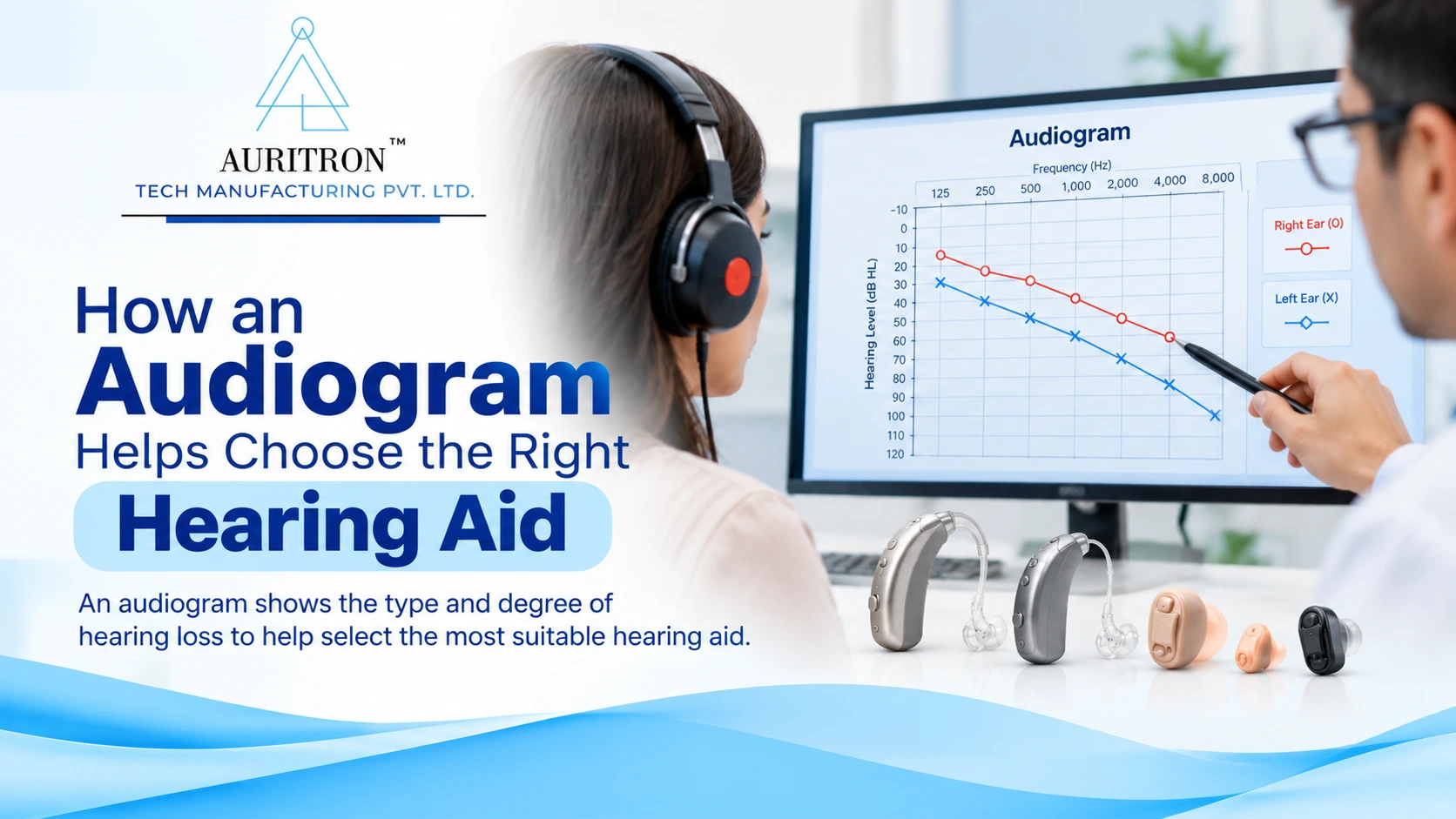
From there, a hearing test measures how well each ear picks up different sounds on its own. If something specific is suspected, further tests might look at the middle ear or the inner ear more closely.
Getting an accurate diagnosis actually matters a lot here, because what treatment makes sense depends entirely on what’s causing the loss and what type it is.
Depends heavily on whether the loss is temporary, conductive, sensorineural, or permanent. Those are all quite different situations.
If it’s wax or an infection, sorting out that underlying issue can bring hearing back on its own. Other causes might need hearing technology, or specialist medical treatment, sometimes both.
For permanent loss in one ear, the usual paths are hearing aids, or specific systems like CROS or BiCROS, and in some cases other technology or medical options depending on the individual. Which one actually fits comes down to the hearing levels in both ears, what caused the loss, and what your daily listening life actually looks like.
Bottom line, get the hearing assessment done before deciding on a device. Skipping that step is how people end up with the wrong solution.
If there’s still some usable hearing left in the affected ear, yes, a hearing aid can genuinely help. It amplifies what’s coming into that ear, making speech and everyday sounds easier to pick up.
But if there’s little to no usable hearing left on that side, a regular hearing aid won’t do much. That’s where a CROS system comes in. It picks up sound from the poorer side and routes it over to the better ear, so nothing gets missed just because it happened to come from the “wrong” direction.
BiCROS is a variation of this for people whose poorer ear has little or no usable hearing and whose better ear also has some hearing loss of its own. A bit more complex, but it exists for exactly this situation.
Which route makes sense really comes down to your actual test results and what your day-to-day listening demands look like.
You don’t have to just tough it out. A few practical habits genuinely help.
Try to keep your better ear angled toward whoever’s speaking. Sounds obvious once you hear it, but most people never think to do it deliberately. Pick quieter spots for conversations that actually matter. Ask people to face you when they talk, it helps more than you’d think, partly from the sound itself and partly from being able to see their mouth move.
In group settings, sit somewhere you can see everyone’s face clearly. Following who’s speaking becomes a lot easier when you’re not relying on your ears alone to catch the switch between speakers.
And if everyday listening is still a struggle after all that, the right hearing technology can genuinely close the rest of the gap.
Any time hearing trouble sticks around, especially if it’s mostly on one side, it’s worth getting tested. Don’t wait for it to become a bigger problem.
A sudden change in hearing needs quick medical attention, full stop. That goes double if it shows up alongside tinnitus, dizziness, or a feeling of fullness in the ear.
Even without sudden symptoms, regular hearing checks are worth doing. They help track changes over time and give you (and whoever’s treating you) useful information if hearing support ever becomes necessary.
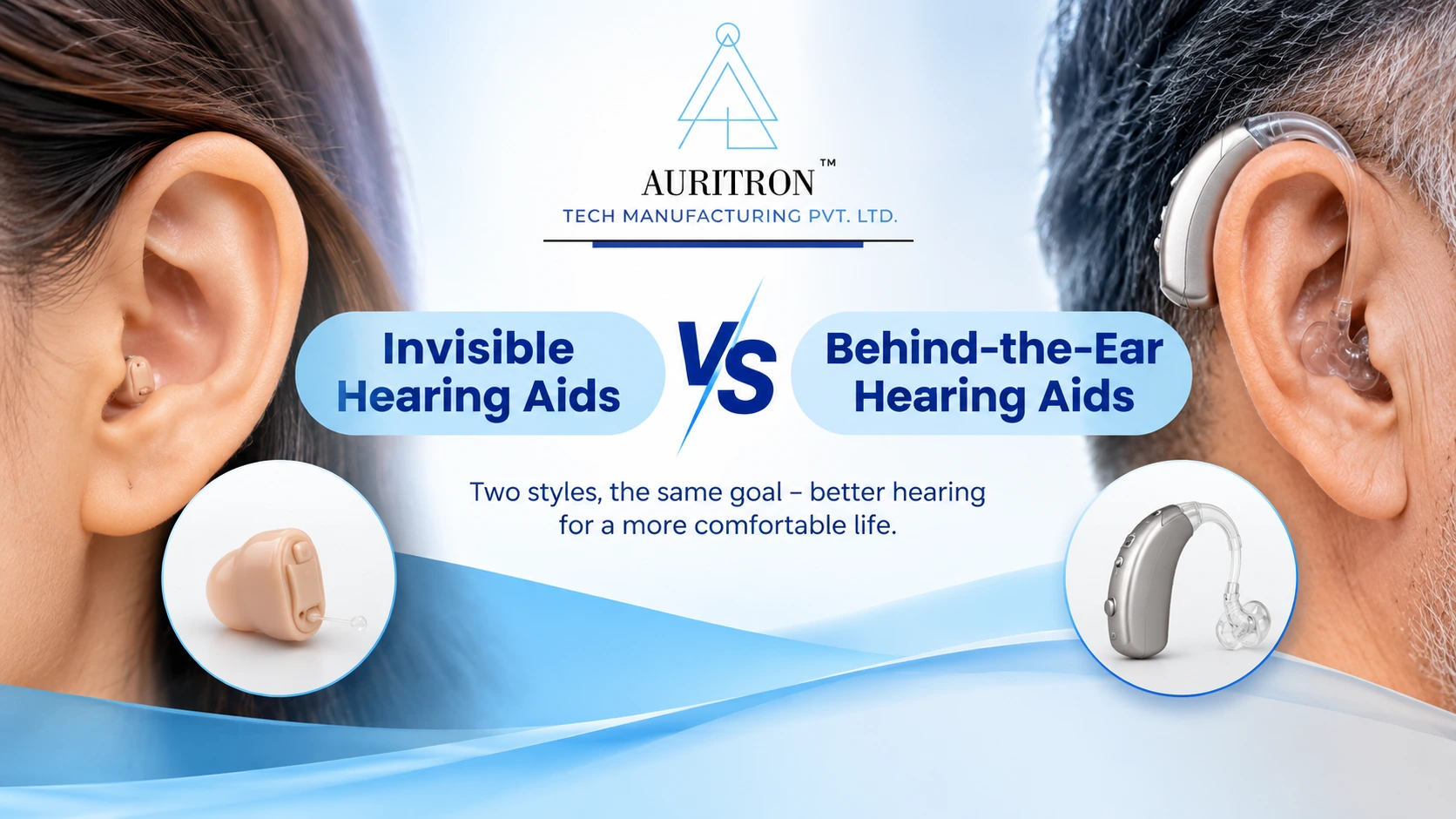
Auritron Tech offers a range of hearing solutions designed to suit different hearing needs, lifestyles and preferences. With options across different styles and technologies, you can explore a solution that fits comfortably into your everyday routine.
Losing hearing in one ear touches more than just how loud things sound. It affects your sense of direction, how clearly speech comes through, how tired listening leaves you, and how well you keep up in noisy rooms. The good ear can carry a lot of the load, but it was never built to replace two working ears entirely.
If you’ve noticed hearing dropping off on one side, conversations getting harder to follow, or any sudden change at all, get it checked. A proper hearing assessment is the fastest way to actually understand what’s going on and what your options are. With the right diagnosis and the right support, most people find everyday conversations get a lot easier again.
Yes, it can. Speech gets noticeably harder to follow, particularly around background noise, because the brain’s working with less information from the affected side and struggles more to separate speech from everything else going on.
Sometimes, depending on what’s causing it. The inner ear handles both hearing and balance, so certain conditions can affect both together. That said, hearing loss on its own doesn’t automatically mean balance problems too.
It can, yes. Really depends on the cause. Some cases stay steady for years, others progress, and occasionally the second ear gets affected too. Regular checks are the best way to catch any change early.
In plenty of cases, yes. It all comes down to the cause and type. Sometimes it’s as simple as treating an underlying ear problem. Other times it means hearing aids or a specialised system for permanent loss.
That depends on how severe it is, whether the other ear is affected too, and the specific rules wherever you happen to be. A proper hearing assessment gives you the objective numbers if you ever need them for that kind of classification.
Yes, definitely. A hearing test checks each ear separately, so any difference between the two shows up clearly. That’s exactly how the severity and type of loss get identified, and it’s what guides whatever comes next.




Ready to hear better? Visit our store or schedule hearing test with our experts. Auritron Tech is committed to helping you or your loved ones regain the joy of hearing with care and compassion.