Severe hearing loss can make everyday communication difficult, particularly in conversations, group settings, workplaces and noisy environments. When regular sounds become hard to hear even with increased volume, a suitable hearing aid may provide the amplification needed for better communication.
The right device is not selected only by looking at how powerful it is. Hearing test results, the type of hearing loss, speech understanding, ear anatomy, lifestyle and personal preferences all play a role. Modern hearing technology can provide strong amplification while also using digital processing to make speech more noticeable and manage unwanted background sounds.
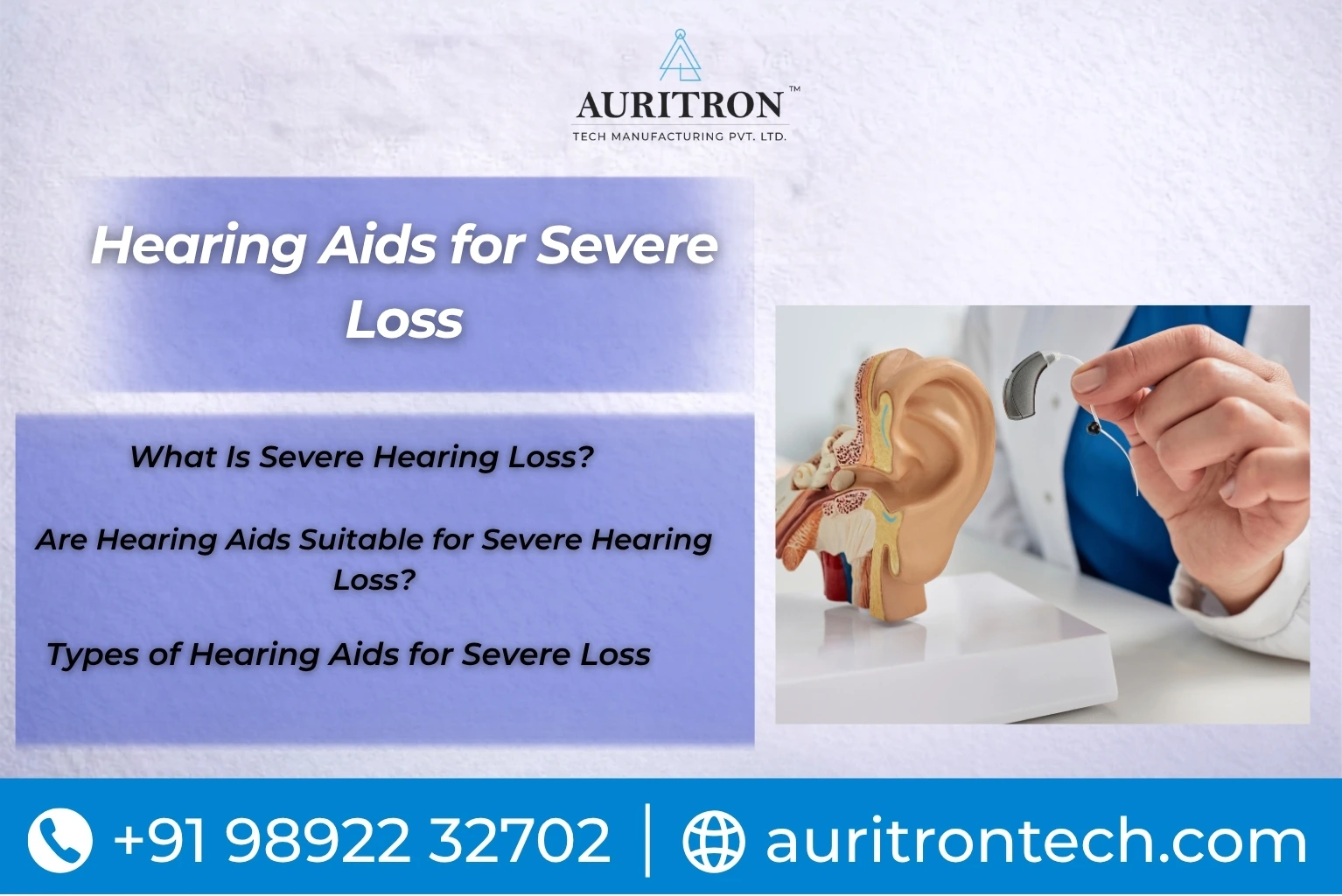
Severe hearing loss generally means that a person has significant difficulty hearing normal speech and everyday sounds without amplification. Depending on the individual, conversations may become difficult even when the speaker is nearby, and sounds such as doorbells, alarms or telephone conversations may also be harder to hear.
A person with severe hearing loss may frequently ask others to repeat themselves or increase the volume of the television. Conversations in restaurants, family gatherings and other noisy places can become particularly challenging because background sounds may interfere with speech.
With appropriate amplification and communication strategies, many individuals can improve their ability to participate in daily conversations. However, hearing aids cannot restore hearing to normal and results can vary depending on the condition of the inner ear and the person’s ability to process speech.
Yes, hearing aids can be suitable for many people with severe hearing loss, provided the device offers enough amplification and is appropriately fitted. Powerful hearing aids are designed to deliver stronger sound output while using digital processing to make amplified sound more manageable.
A hearing test is an important first step before choosing a device. The test measures hearing sensitivity at different frequencies and helps determine the degree and type of hearing loss.
For severe hearing loss, speech testing can also provide useful information about how well a person can understand spoken words. This information helps a hearing care professional recommend a device and settings that match the individual’s hearing profile.
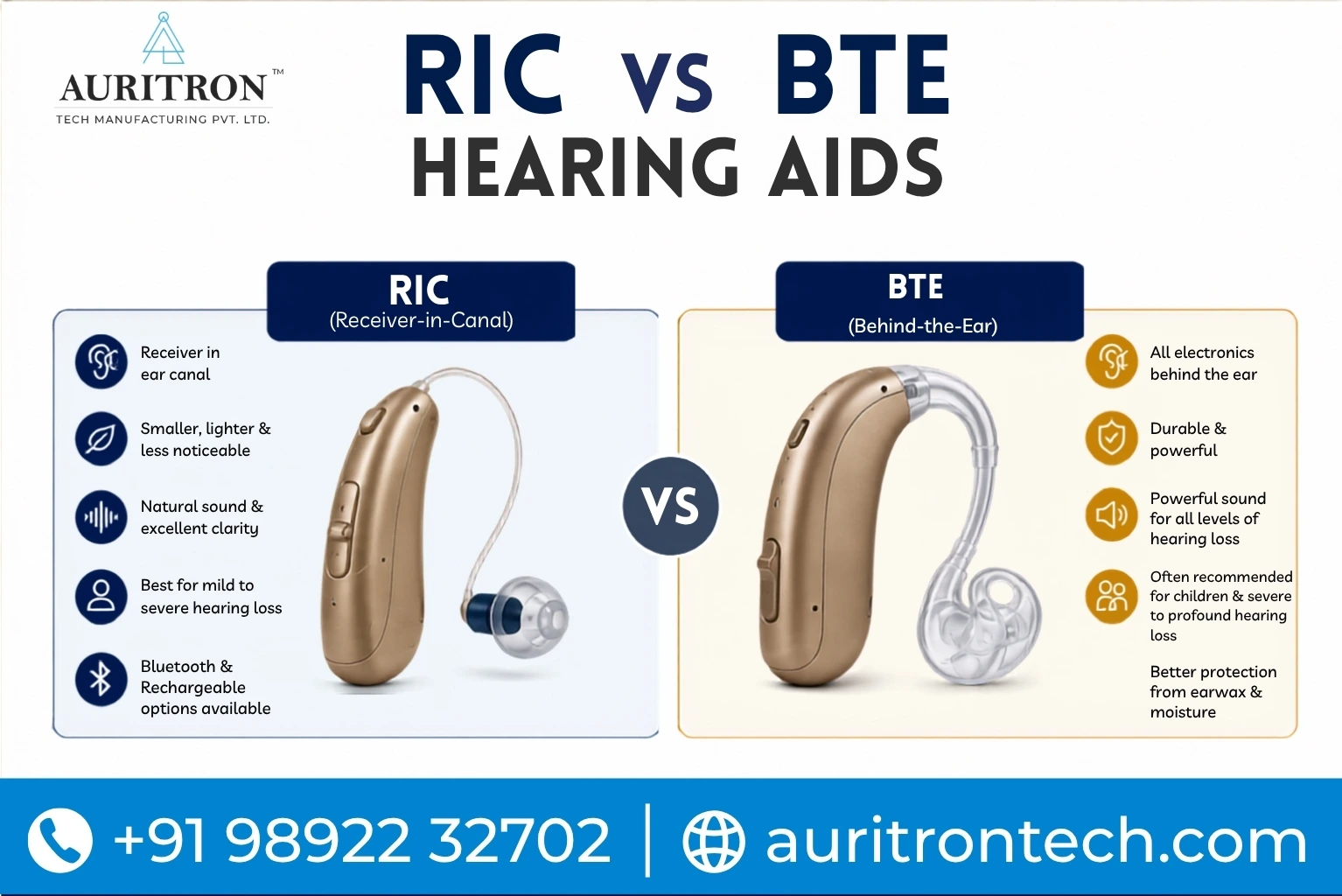
Different hearing aid styles are available, but powerful behind-the-ear models are often considered when substantial amplification is required. These devices have enough space for stronger components and can accommodate features designed for users with higher amplification needs.
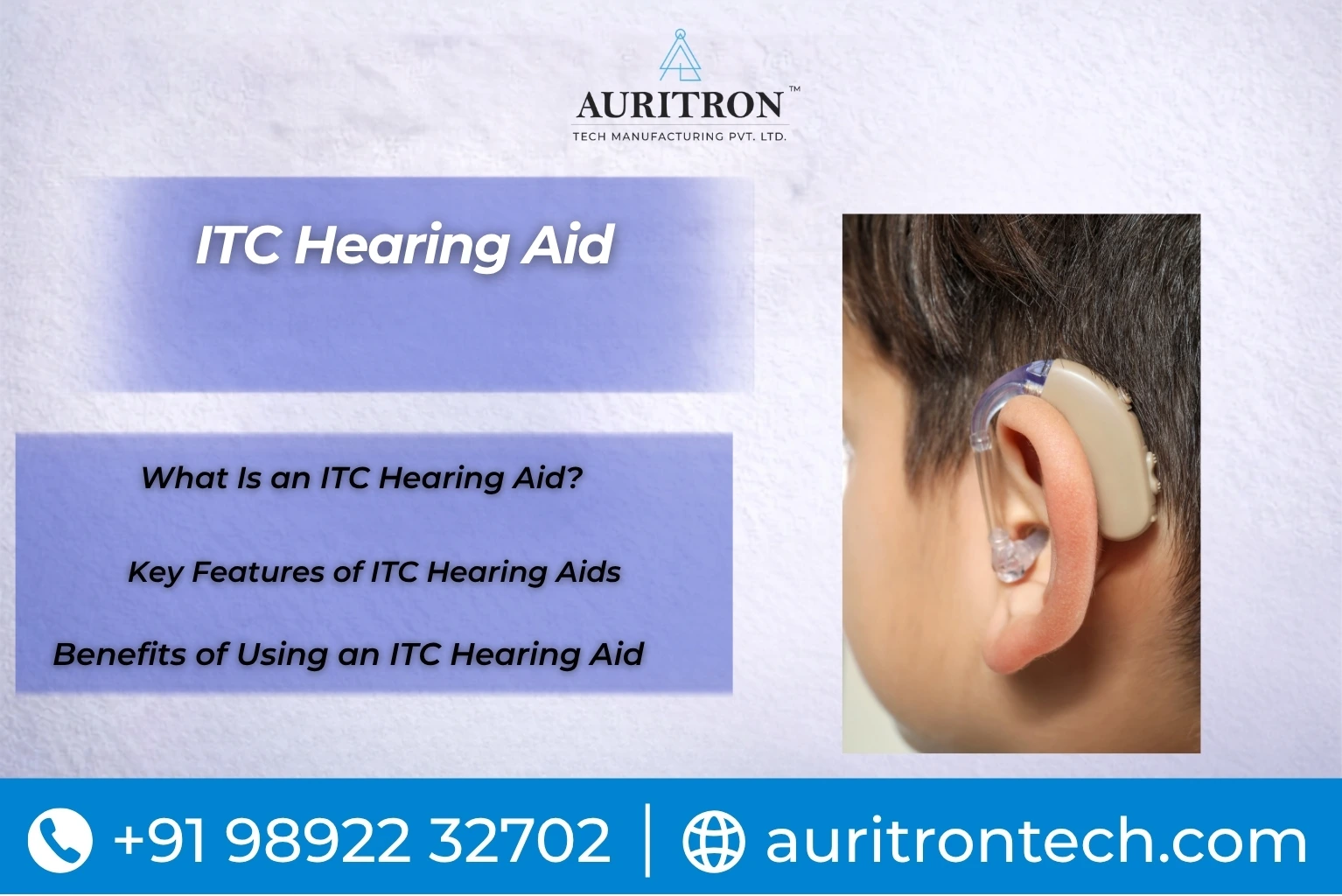
Behind-the-ear hearing aids sit behind the ear and deliver amplified sound through an earmould or ear tip. Their larger design allows manufacturers to include powerful amplification components and larger batteries.
This style can be suitable when significant amplification is required. It can also provide room for features such as directional microphones, feedback management and wireless connectivity, depending on the model.
Power and super-power devices are designed for people who need substantial amplification. They can produce stronger output than standard hearing aids and may be appropriate for severe or profound levels of hearing loss in selected cases.
The exact device required depends on the hearing assessment. More amplification is not always better because excessive amplification can be uncomfortable and may affect sound quality.
Some receiver-in-the-ear designs can provide considerable amplification, depending on the receiver and device configuration. However, their suitability for severe hearing loss depends on the individual’s hearing thresholds and the maximum output required.
A hearing care professional can determine whether this style provides sufficient power or whether a traditional power behind-the-ear model would be more appropriate.
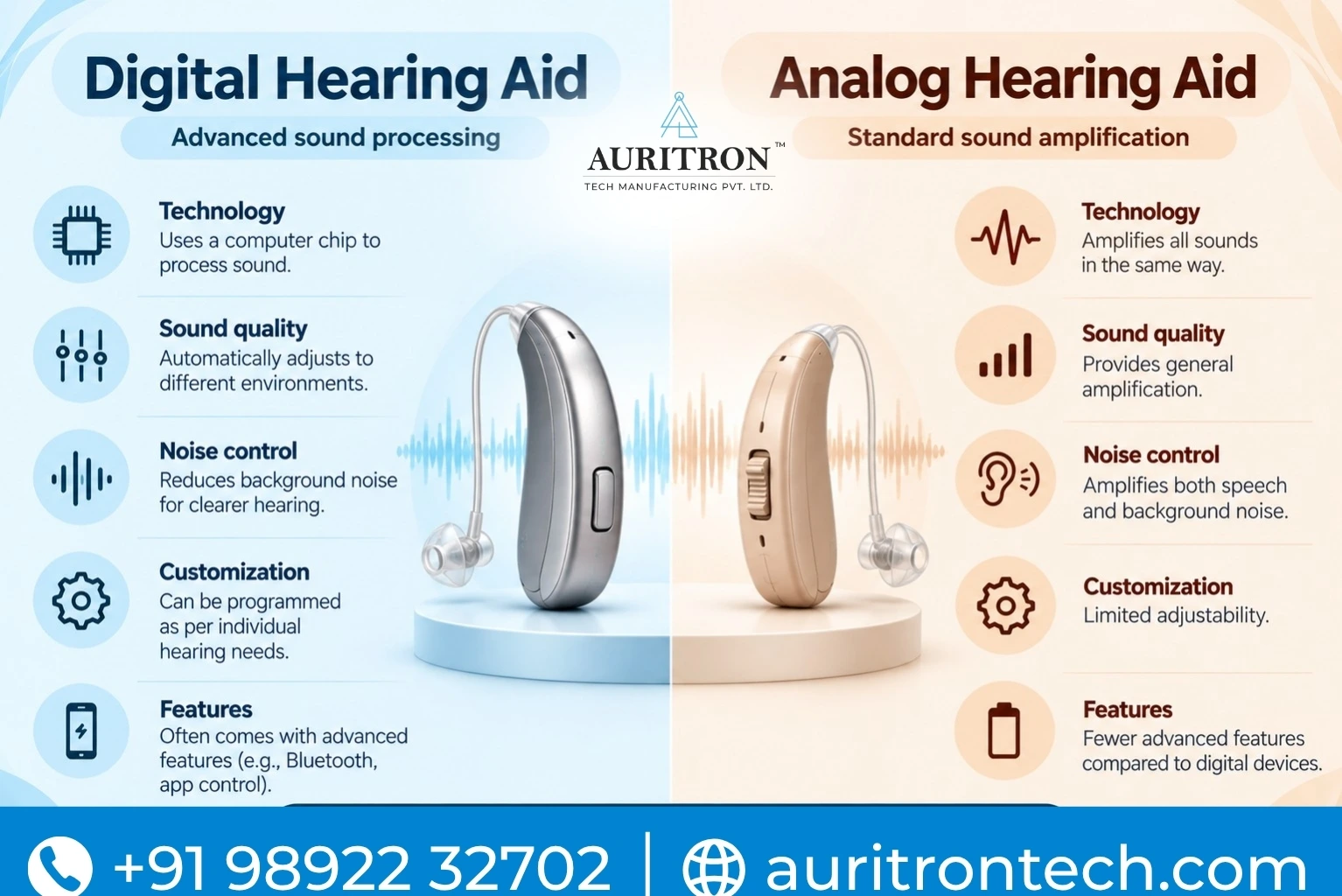
A suitable device should provide enough amplification to make speech and important environmental sounds audible without producing uncomfortable levels of sound. Digital programming allows amplification to be adjusted according to different frequencies.
Feedback can occur when amplified sound escapes from the ear and is picked up again by the microphone. Modern hearing aids may include feedback management systems that help reduce unwanted whistling while maintaining useful amplification.
Directional microphones can give greater emphasis to sounds coming from a particular direction. This can be useful when listening to someone speaking directly in front of you, particularly in environments with background noise.
Noise reduction technology can help manage certain unwanted background sounds. It does not remove all noise, but it can make some listening environments more comfortable when combined with appropriate hearing-aid programming.
Depending on the device, wireless connectivity can allow compatible smartphones, televisions or other devices to send audio directly to the hearing aids. This may make phone calls, music and television listening more convenient.
Choosing a hearing aid should begin with a comprehensive hearing evaluation rather than selecting a device based only on price or appearance. The amount of hearing loss at different frequencies is particularly important because it determines the amplification required.
Think about where you spend most of your time. Someone who mainly communicates at home may have different requirements from someone who regularly attends meetings, travels, works in busy environments or participates in social gatherings
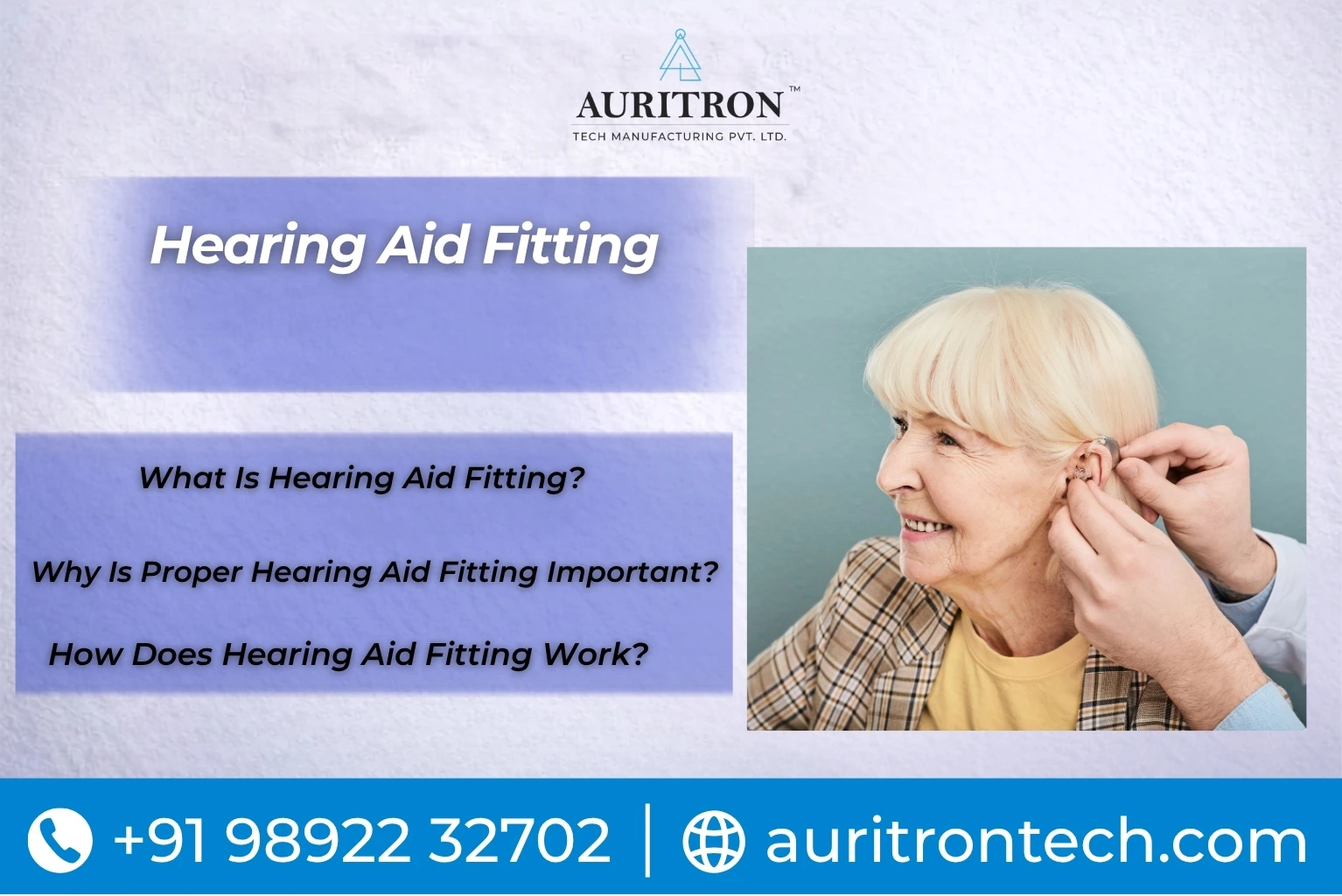
A comfortable fit is essential for consistent use. For higher levels of hearing loss, the earmould or ear coupling must provide an appropriate seal so that sufficient amplification can be delivered while limiting feedback.
Powerful hearing aids may use more battery power than lower-powered devices because they provide greater amplification. Rechargeable options can offer convenience, while disposable batteries may be preferred by some users. Regular cleaning and servicing are also important for reliable performance.
The primary benefit is improved access to amplified sound. With appropriate programming, a suitable hearing aid may make speech more audible and help users participate more comfortably in conversations.
Hearing aids may also make everyday environmental sounds more noticeable. This can include sounds such as doorbells, alarms, traffic and household activities. Better access to sound can support communication at home and in social situations, although the outcome varies from person to person.
Consistent use is also important. Adjusting to amplified sound can take time, especially when a person has been living with significant hearing loss for a long period. Gradual use and follow-up adjustments can make the transition more comfortable.
In some cases, hearing aids may not provide enough speech clarity or usable benefit. This can happen when hearing loss is extremely severe or when the inner ear has limited ability to process amplified sound.
If appropriately fitted powerful hearing aids provide limited benefit, a hearing care professional or ENT specialist may discuss other hearing solutions. Depending on the type and severity of hearing loss, options such as cochlear implants or other implantable hearing technologies may be considered.
This does not mean that every person with severe hearing loss requires an implant. The decision depends on hearing-test results, speech understanding, medical factors and the benefit received from appropriately fitted hearing aids.
Keep the device away from excessive moisture, heat and dust. Clean it according to the manufacturer’s instructions and check the earmould, tubing or ear tip regularly for wax or debris.
Do not attempt to repair internal components yourself. If the sound becomes weak, distorted or intermittent, professional inspection can help identify whether the issue is related to the device, battery, moisture, wax or programming.
Auritrontech provides hearing solutions designed around individual hearing requirements. Selecting a device for severe hearing loss requires more than choosing the most powerful model. Hearing-test results, listening needs, comfort, device features and fitting all need to be considered together.
Auritrontech can assist with hearing-device selection, fitting and personalised adjustments so that the chosen solution is aligned with the user’s hearing profile and everyday communication needs. Proper follow-up is particularly important for users who require higher levels of amplification.
Hearing aids for severe loss can provide substantial amplification and improve access to speech and everyday sounds when the device is appropriately selected and fitted. Powerful behind-the-ear models, advanced digital processing, feedback management and noise-control features can support different listening needs.
A hearing test should always guide the selection process. With the right device, proper fitting and regular follow-up, users with severe hearing loss can receive more effective support for everyday communication.
Yes. Many people with severe hearing loss can benefit from appropriately fitted powerful hearing aids. The amount of benefit depends on the degree and type of hearing loss, speech understanding and individual hearing needs.
Powerful behind-the-ear and super-power hearing aids are commonly considered when substantial amplification is required. The appropriate model depends on the results of a hearing evaluation and the user’s listening requirements.
No. Hearing aids amplify and process sound; they do not restore damaged hearing to normal. Their purpose is to provide better access to speech and environmental sounds.
Adjustment varies between individuals. Someone with long-standing hearing loss may need more time to become comfortable with amplified sounds. Gradual use and professional fine-tuning can support the adjustment process.
If appropriately fitted hearing aids provide insufficient speech understanding or usable benefit, an ENT or hearing care professional may assess whether another hearing solution could be appropriate.