Hearing loss is a natural part of aging for many individuals. As people grow older, they may begin to notice difficulty hearing conversations, television audio, phone calls, or sounds in their surroundings. These changes can affect communication, social interactions, and overall confidence. Fortunately, a hearing aid for old age can help seniors maintain an active and independent lifestyle by improving their ability to hear and engage with the world around them.
Modern hearing aids are designed with advanced technology that goes beyond simple sound amplification. They can enhance speech clarity, reduce background noise, and provide a more comfortable listening experience. With various styles and features available today, older adults can choose solutions that fit their hearing needs and daily routines.
As the body ages, the structures within the inner ear gradually undergo changes that can affect hearing ability. This age-related hearing loss, known as presbycusis, typically develops slowly over time. Because the decline is gradual, many seniors may not immediately realize that their hearing has become weaker.
Often, the first signs appear during conversations, especially in crowded or noisy environments. Older adults may frequently ask others to repeat themselves, struggle to follow discussions, or increase the volume of televisions and mobile devices. Over time, these challenges can make communication more difficult and reduce participation in social activities. Seeking timely hearing assessment and treatment can help address these concerns before they significantly affect quality of life.
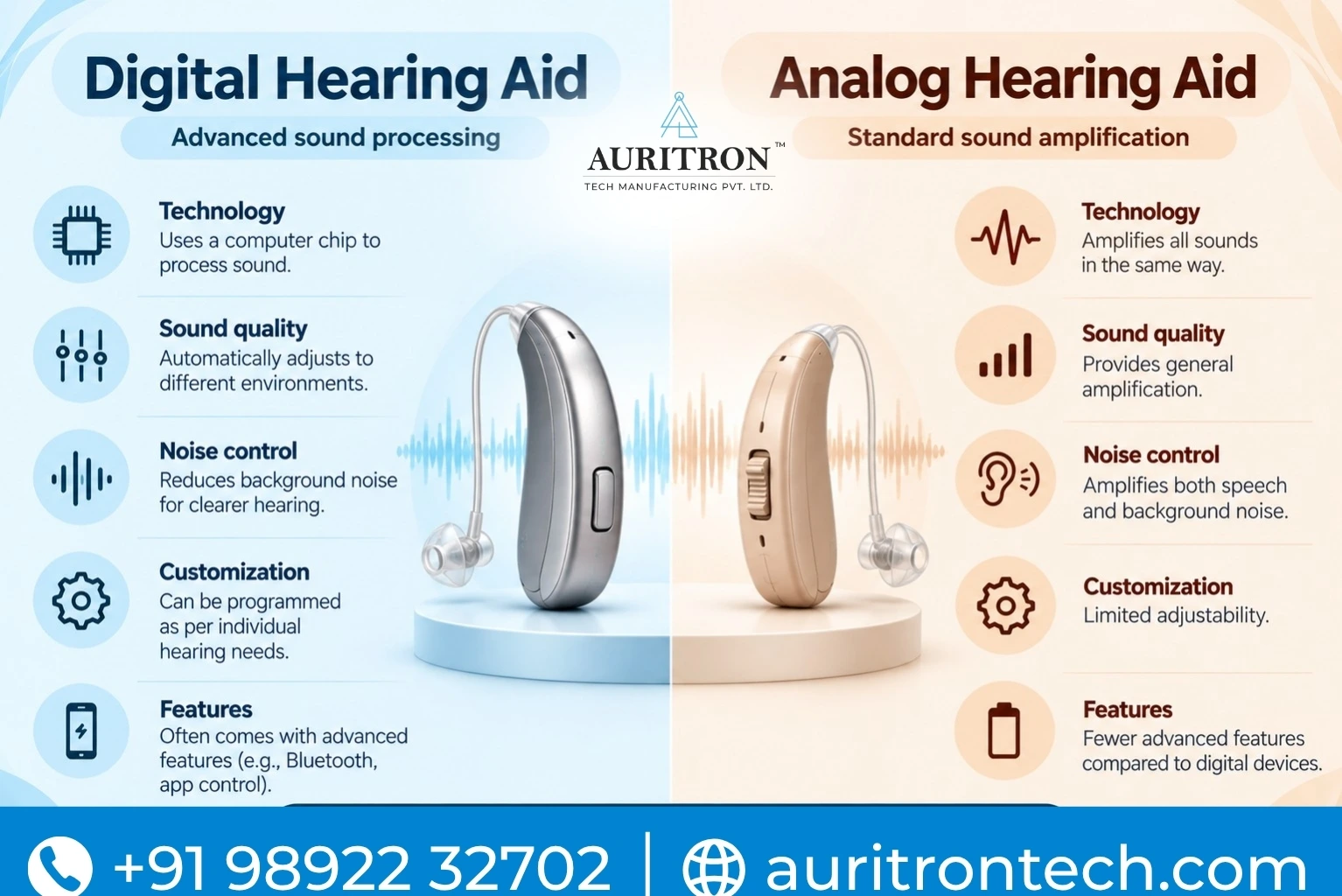
A hearing aid works by capturing sounds from the environment, processing them digitally, and delivering clearer amplified sound to the ear. This technology allows seniors to hear speech and everyday sounds more effectively, making conversations easier and reducing listening effort.
The benefits extend beyond hearing improvement. Better hearing often leads to stronger social connections, greater confidence, and increased participation in family gatherings and community activities. Many older adults also feel safer when they can clearly hear alarms, doorbells, traffic sounds, and other important environmental cues. By improving communication and awareness, hearing aids can support greater independence and emotional well-being.
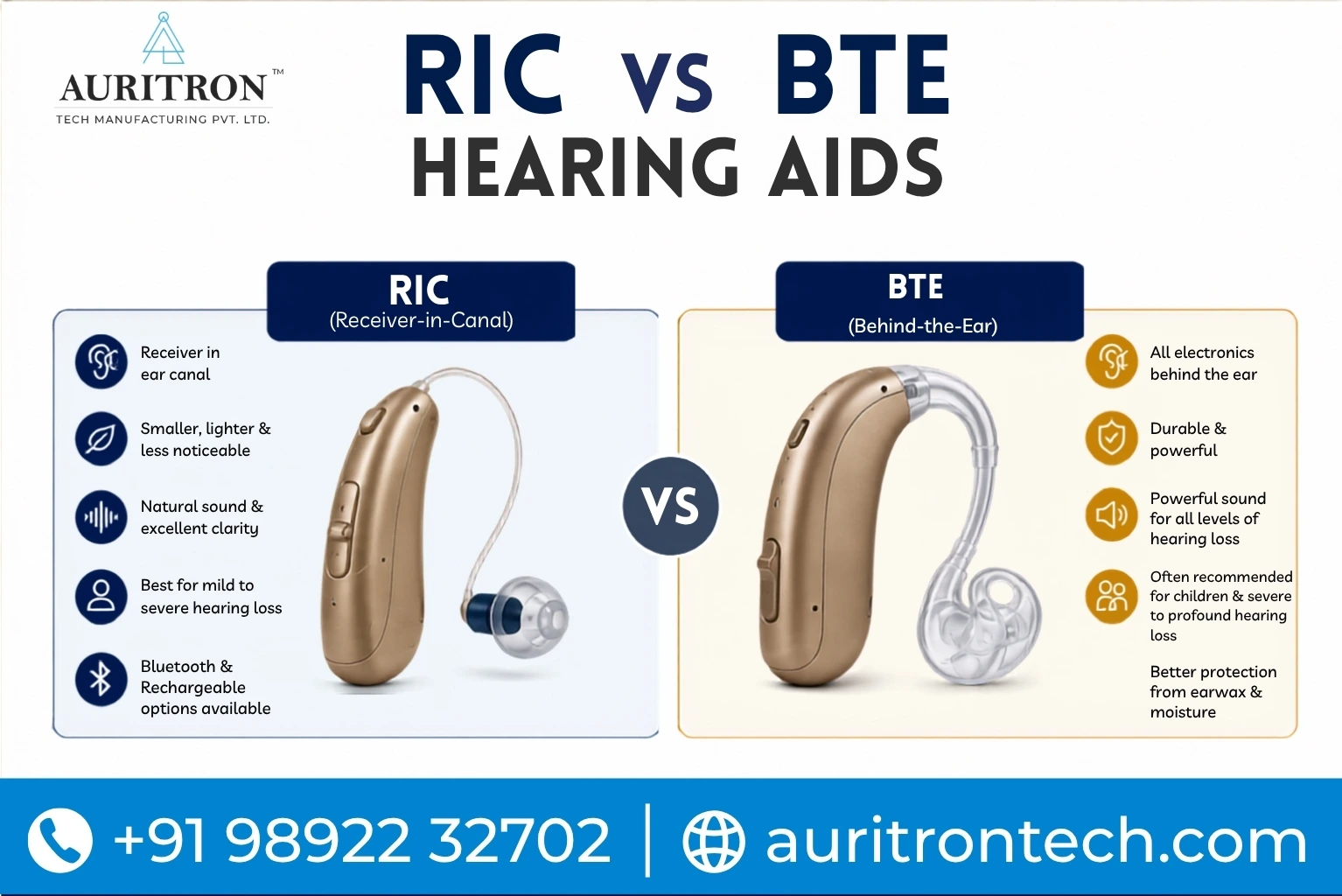
Several types of hearing aids are available to meet different levels of hearing loss and personal preferences. Behind-the-ear hearing aids are among the most commonly recommended options for seniors because they are durable, easy to handle, and suitable for a wide range of hearing needs. Receiver-in-canal models offer a smaller and lighter design while providing excellent sound quality and comfort.
In-the-ear hearing aids are custom-made to fit the outer ear and are often preferred by individuals who want larger controls and easier handling. Completely-in-canal devices fit deeper within the ear canal and are less visible, though their smaller size may make them more challenging for some older adults to manage. The best choice depends on hearing requirements, comfort, and lifestyle preferences.
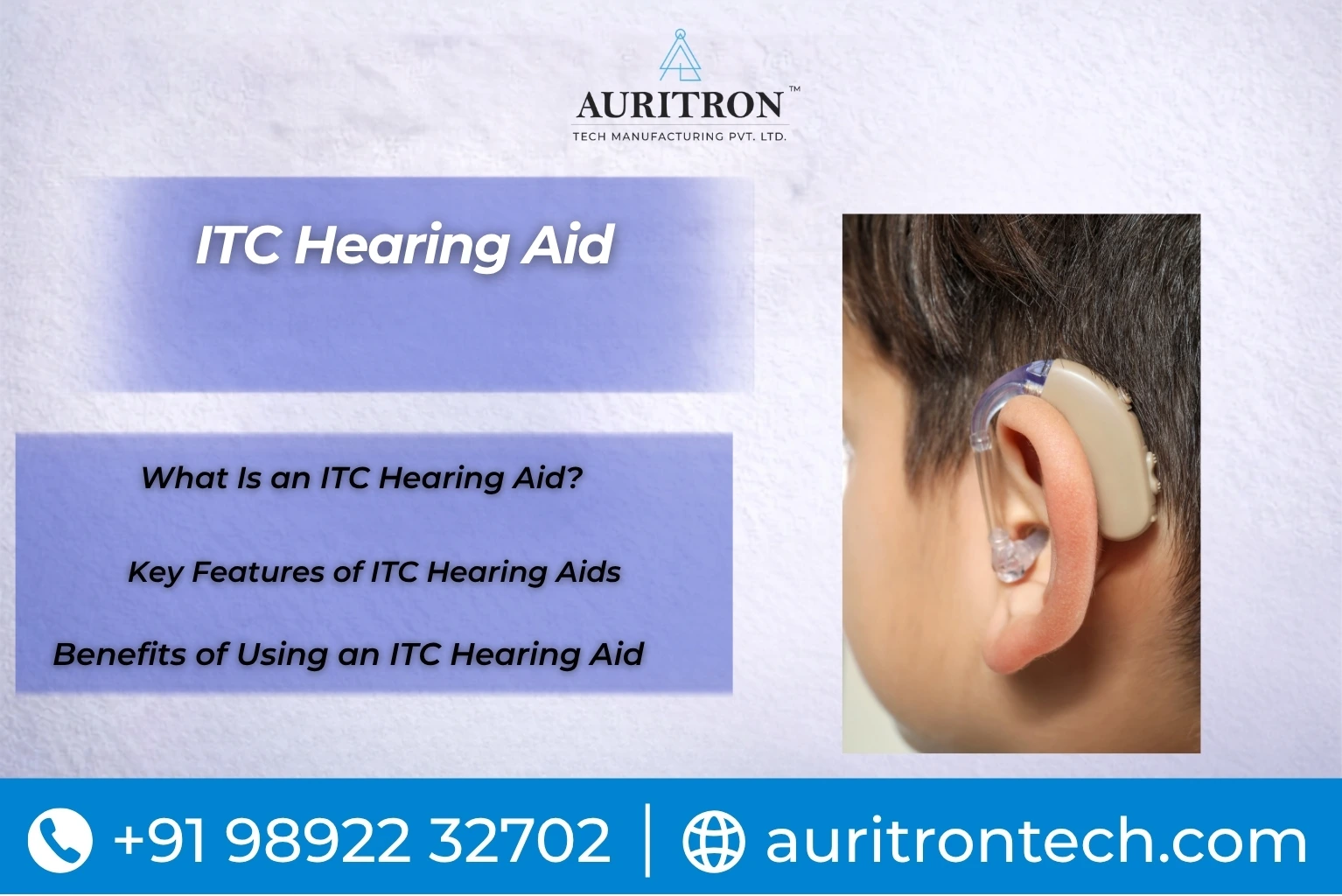
There are different types of hearing aids available, including behind-the-ear (BTE), in-the-ear (ITE), and completely-in-canal (CIC) models. Each type offers its own balance of comfort, visibility, and performance.
Choosing the right one depends on your hearing condition, daily routine, and personal preference. A professional evaluation can help you find the most suitable option.
Today’s hearing aids include advanced features that can significantly improve the listening experience. Noise reduction technology helps minimize unwanted background sounds, making conversations clearer in busy environments. Directional microphones focus on speech coming from specific directions, which can be particularly useful in social settings.
Rechargeable batteries have become increasingly popular among seniors because they eliminate the need for frequent battery replacements. Many modern devices also offer Bluetooth connectivity, allowing users to stream calls, television audio, and music directly to their hearing aids. Automatic sound adjustment features further enhance convenience by adapting to different listening environments without requiring manual changes.
Selecting the right hearing aid involves considering more than appearance alone. The degree of hearing loss plays a major role in determining which device will provide the best results. Comfort is equally important, as hearing aids are worn for many hours each day and should fit securely without causing irritation.
Ease of use should also be considered, especially for seniors who may have vision limitations or reduced hand dexterity. Features such as larger controls, rechargeable batteries, and simple maintenance requirements can make daily use more convenient. Lifestyle factors matter as well. Someone who frequently attends social gatherings may benefit from advanced speech enhancement and noise reduction features, while others may prefer a simpler device tailored to home use.
It is normal for new hearing aid users to require an adjustment period. Initially, sounds may seem different because the brain is becoming accustomed to hearing frequencies that may have been missed for some time. Consistent use helps accelerate this adaptation process.
Most individuals gradually become comfortable with their hearing aids over several weeks. Starting in quieter environments and progressively using the device in more challenging listening situations can make the transition smoother. Regular follow-up appointments also help ensure that the hearing aid is properly adjusted for optimal performance.
A hearing aid should be considered when hearing difficulties begin affecting daily communication, relationships, or overall quality of life. Delaying treatment can make conversations more challenging and may lead to social withdrawal over time. Early intervention often provides better outcomes by helping individuals stay engaged and connected with their surroundings.
Regular hearing evaluations become increasingly important with age, particularly when symptoms such as difficulty understanding speech, frequent misunderstandings, or increased television volume become noticeable. Addressing hearing loss early can support better communication and overall well-being.
A hearing aid for old age can make a significant difference in the lives of older adults by improving communication, confidence, and independence. With modern technology offering enhanced sound quality, comfort, and convenience, hearing aids provide effective support for age-related hearing loss. Choosing the right device based on individual hearing needs and lifestyle can help seniors enjoy clearer conversations, stronger social connections, and a better quality of life.
Yes, most modern hearing aids are designed for comfortable all-day use and can be worn during regular daily activities.
Yes, rechargeable hearing aids are often preferred because they are convenient and eliminate the need for frequent battery replacement.
Most users adapt within a few weeks, although the adjustment period may vary depending on individual hearing needs and usage habits.
Yes, there are options available across different price ranges. It’s important to balance affordability with performance.
Regular hearing aid checkups are recommended at least once a year, or more frequently if advised by a hearing care professional.