
How Can We Solve the Hearing Problem?
Blog Book An Appointment How Can We Solve the Hearing Problem? Hearing plays a vital role in communication, learning, relationships, and overall quality of life. When hearing becomes difficult, even simple conversations can feel frustrating. Many people begin missing words during discussions, struggle to hear in crowded places, or increase the television volume without realizing their hearing has gradually declined. Fortunately, hearing problems can often be managed successfully with early diagnosis and the right treatment. If you are wondering How Can We Solve the Hearing Problem?, the answer depends on identifying the exact cause of hearing loss. Some hearing problems are temporary and caused by earwax buildup or ear infections, while others result from aging, prolonged exposure to loud noise, genetics, or medical conditions. A professional hearing assessment helps determine the most appropriate treatment, whether it involves medication, hearing aids, or other hearing solutions. Modern hearing care has advanced significantly over the years. Today’s digital hearing aids, medical treatments, and personalized hearing rehabilitation programs allow people with hearing loss to communicate confidently and continue enjoying everyday activities. Why Hearing Problems Should Never Be Ignored Many people ignore early signs of hearing loss because the changes happen gradually. They may believe others are speaking too softly or blame background noise for communication difficulties. However, untreated hearing loss can affect much more than hearing alone. Difficulty hearing conversations often leads to social withdrawal, reduced confidence, misunderstandings, and increased listening effort throughout the day. Children may experience speech and learning delays, while adults may struggle during meetings, family gatherings, and phone conversations. Seeking professional hearing care early improves communication, protects overall well-being, and allows treatment to begin before hearing challenges become more severe. Common Causes of Hearing Problems Hearing loss can occur for several reasons, and identifying the underlying cause is the first step toward effective treatment. Earwax blockage is one of the most common temporary causes and can often be treated safely by a healthcare professional. Ear infections may also affect hearing until the infection is treated. Age-related hearing loss develops gradually as the delicate structures inside the inner ear naturally change over time. Long-term exposure to loud sounds from machinery, concerts, headphones, or workplace noise can permanently damage hearing if proper protection is not used. Certain medications, head injuries, inherited conditions, and diseases affecting the ear may also contribute to hearing loss. Because every case is different, a comprehensive hearing evaluation is essential before choosing a treatment plan. The Importance of a Professional Hearing Test A hearing test provides valuable information about the type and severity of hearing loss. During the assessment, an audiologist evaluates how well you hear sounds at different frequencies and how clearly you recognize speech. The results help identify whether hearing loss is temporary, medically treatable, or requires hearing aids or other hearing devices. Hearing tests are painless, non-invasive, and suitable for both children and adults. Regular hearing assessments are especially important for older adults, individuals exposed to loud noise, and anyone experiencing gradual changes in hearing. Hearing Aids Can Restore Better Communication For many people with permanent hearing loss, hearing aids provide one of the most effective solutions. Modern digital hearing aids do much more than amplify sound. They improve speech clarity, reduce background noise, and automatically adjust to different listening environments. Today’s hearing aids are available in various styles, including Behind-the-Ear (BTE), Receiver-in-Canal (RIC), In-the-Ear (ITE), and Completely-in-Canal (CIC) models. They are designed to suit different levels of hearing loss while providing comfort and discreet appearance. Many advanced hearing aids also support Bluetooth connectivity, rechargeable batteries, smartphone controls, and intelligent sound processing, making everyday communication easier and more enjoyable. Medical Treatment May Be Recommended Not every hearing problem requires a hearing aid. Some conditions can be treated medically depending on their cause. Earwax removal, medication for infections, treatment for fluid buildup, or surgical procedures may restore hearing in certain cases. If hearing loss is caused by an underlying medical condition, treating that condition may improve hearing or prevent further damage. An ear specialist and audiologist often work together to recommend the most suitable treatment based on the diagnosis. Seeking professional advice instead of self-treatment helps prevent complications and ensures appropriate care. Lifestyle Habits That Protect Hearing Healthy daily habits play an important role in protecting hearing throughout life. Avoiding prolonged exposure to loud sounds, using hearing protection in noisy environments, and keeping headphone volume at safe levels help reduce the risk of hearing damage. Routine hearing check-ups also allow early detection of changes before they begin affecting communication. Individuals who already wear hearing aids should attend regular follow-up appointments to ensure their devices continue performing effectively. Good hearing health is an ongoing process that combines preventive care, timely diagnosis, and appropriate treatment. Why Early Treatment Makes a Difference The sooner hearing loss is identified, the better the outcome. Early treatment allows the brain to continue processing sounds effectively, reducing listening effort and supporting natural communication. Children benefit from timely hearing care because it supports speech and language development during critical growth stages. Adults experience better workplace communication, stronger relationships, and improved confidence when hearing problems are addressed early. Delaying treatment may make it more difficult to adapt to hearing aids later and can affect overall quality of life. Why Choose Auriton Tech? Auriton Tech provides complete hearing care through advanced hearing evaluations, accurate diagnosis, digital hearing aid solutions, and ongoing hearing support. Every patient receives a personalized assessment to identify the cause of hearing difficulties before recommending the most appropriate treatment. The experienced audiologists at Auriton Tech carefully program hearing aids according to individual hearing needs while offering continuous follow-up care, counseling, and maintenance services. With modern diagnostic technology and patient-focused care, Auriton Tech helps individuals achieve clearer hearing and improved communication. Conclusion When thinking about How Can We Solve the Hearing Problem?, the most important step is obtaining an accurate diagnosis. Hearing loss can result from several causes, and treatment varies depending on the condition. Early hearing assessments, professional care, appropriate medical treatment,
Different Types of Hearing Aids & How They Work?
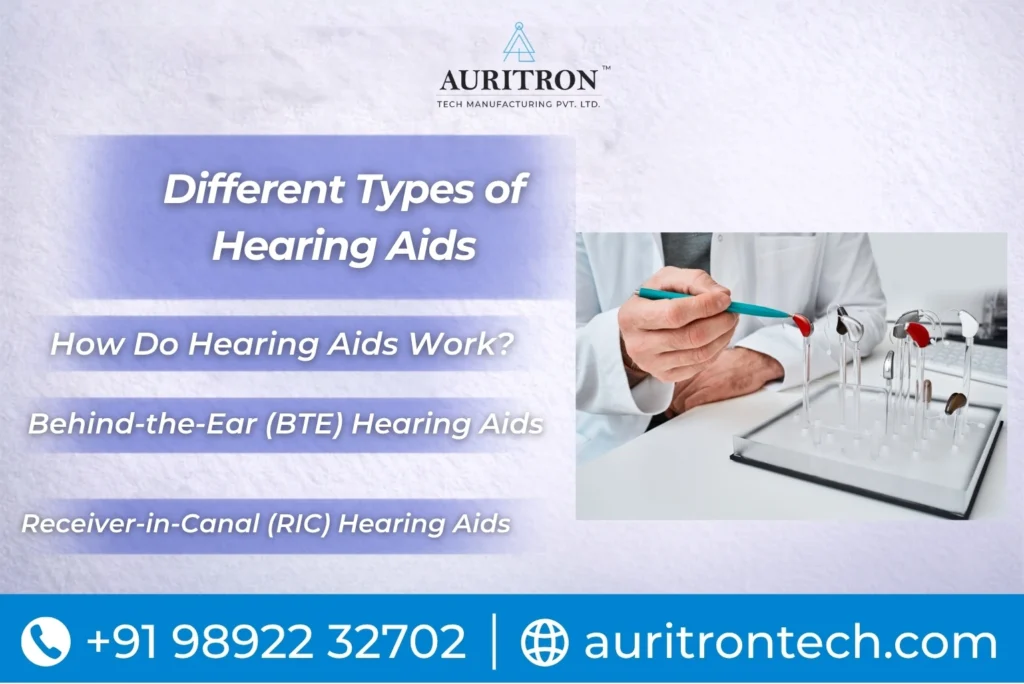
Blog Book An Appointment Different Types of Hearing Aids & How They Work? Hearing loss affects millions of people of all ages, making everyday conversations, phone calls, and social interactions more challenging. Fortunately, modern hearing aids have become smaller, smarter, and more effective than ever before. They not only amplify sounds but also improve speech clarity, reduce background noise, and help users communicate with greater confidence. If you are considering a hearing aid for yourself or a loved one, understanding the Different Types of Hearing Aids & How They Work? can help you choose a device that matches your hearing needs and lifestyle. Each hearing aid style is designed differently and offers unique advantages depending on the degree of hearing loss, ear anatomy, comfort preferences, and daily activities. Today’s digital hearing aids use advanced sound processing technology to deliver clear and natural hearing in various environments. Whether you spend time in quiet surroundings or frequently attend meetings, family gatherings, or outdoor events, selecting the right hearing aid can significantly improve your quality of life. How Do Hearing Aids Work? A hearing aid is a small electronic device that captures sounds through a microphone, processes them digitally, and delivers amplified sound into the ear through a speaker known as a receiver. Modern hearing aids do much more than simply increase volume. They identify speech, reduce background noise, minimize feedback, and automatically adjust to changing listening environments. The internal computer continuously analyzes surrounding sounds and makes rapid adjustments to improve speech understanding. This allows users to hear conversations more naturally while reducing unwanted noise from traffic, fans, restaurants, or crowded places. Most modern hearing aids also include rechargeable batteries, wireless connectivity, and smartphone compatibility, making them easier to use throughout the day. Behind-the-Ear (BTE) Hearing Aids Behind-the-Ear hearing aids are among the most commonly recommended hearing devices for both adults and children. The main body sits comfortably behind the ear while a thin tube or earmold delivers sound into the ear canal. BTE hearing aids are suitable for mild to profound hearing loss and are known for their durability, reliability, and powerful sound amplification. Because they are slightly larger than some other styles, they can accommodate larger batteries, longer battery life, and advanced technology features. Many first-time users choose BTE hearing aids because they are easy to handle, simple to clean, and highly effective in different listening situations. Receiver-in-Canal (RIC) Hearing Aids Receiver-in-Canal hearing aids have become one of the most popular hearing aid styles due to their discreet appearance and natural sound quality. Unlike traditional BTE devices, the receiver is placed directly inside the ear canal while the processor remains behind the ear. This design provides clearer sound with reduced distortion because the receiver sits closer to the eardrum. RIC hearing aids are lightweight, comfortable, and suitable for individuals with mild to severe hearing loss. Many models include Bluetooth streaming, rechargeable batteries, automatic sound adjustment, and advanced speech enhancement, making them ideal for active lifestyles. In-the-Ear (ITE) Hearing Aids In-the-Ear hearing aids are custom-made to fit the outer portion of the ear. Since all electronic components are contained within a single shell, there are no external tubes or wires. ITE hearing aids are suitable for individuals with mild to severe hearing loss and provide comfortable handling for users who prefer a larger custom device. Many models include volume controls, directional microphones, and wireless connectivity while remaining relatively discreet. Because they are custom fitted, these hearing aids offer a secure fit and comfortable daily wear. In-the-Canal (ITC) and Completely-in-Canal (CIC) Hearing Aids For individuals seeking a less noticeable hearing solution, ITC and CIC hearing aids fit partially or completely inside the ear canal. Their small size makes them cosmetically appealing while still providing effective hearing support for mild to moderate hearing loss. These hearing aids offer natural sound quality because of their position inside the ear. However, due to their compact design, they may include fewer advanced features than larger hearing aid styles. An audiologist can determine whether these devices are appropriate based on hearing loss severity and ear canal size. Rechargeable and Smart Hearing Aids Modern hearing aids now include rechargeable technology that eliminates the need for frequent battery replacement. Users simply place the hearing aids in a charging case overnight for all-day use. Many premium hearing aids also connect directly with smartphones, televisions, laptops, and tablets through Bluetooth technology. Users can stream calls, music, and videos directly into their hearing aids while adjusting settings using dedicated mobile applications. Artificial intelligence in some hearing aids automatically recognizes different listening environments and adjusts sound settings for greater comfort and speech clarity. Which Hearing Aid Is Right for You? The ideal hearing aid depends on several factors, including the degree of hearing loss, ear anatomy, lifestyle, communication needs, and personal preferences. Someone who spends most of the day in quiet surroundings may require different features than someone who frequently attends meetings, travels, or communicates in noisy environments. A comprehensive hearing assessment allows an audiologist to identify the most appropriate hearing aid while ensuring the device is programmed according to your hearing profile. Professional fitting also improves comfort, speech understanding, and long-term satisfaction. Choosing the right hearing aid involves balancing technology, comfort, appearance, and hearing performance rather than selecting a device based solely on size or cost. Why Professional Hearing Aid Fitting Matters Even the most advanced hearing aid cannot perform well if it is not programmed correctly. Professional hearing aid fitting ensures the device matches your hearing loss and provides optimal sound quality. Audiologists perform detailed hearing tests before programming the hearing aid according to your individual hearing levels. Follow-up appointments allow adjustments based on your listening experiences, helping improve speech clarity and overall comfort. Regular servicing and maintenance also keep hearing aids functioning efficiently for years. Why Choose Auriton Tech? Auriton Tech offers comprehensive hearing evaluations, advanced digital hearing aids, and personalized hearing care for patients of all ages. Every hearing assessment is performed using modern diagnostic technology to accurately identify
How Much Does It Cost for a Hearing Aid?

Blog Book An Appointment How Much Does It Cost for a Hearing Aid? Hearing aids have transformed the lives of millions of people by helping them hear conversations clearly, stay socially connected, and enjoy everyday activities with confidence. If you or a loved one has recently been diagnosed with hearing loss, one of the first concerns is often the cost of treatment. While hearing aids are an investment in long-term hearing health, the price can vary depending on several important factors. Many people searching for how much does it cost for a hearing aid expect a single answer, but the reality is that hearing aid pricing depends on the technology, features, style, level of hearing loss, and professional services included. Understanding what affects the overall cost can help you choose a hearing solution that matches both your hearing needs and your budget. Modern hearing aids are available in a wide range of options, from basic digital models to premium devices with artificial intelligence, Bluetooth connectivity, rechargeable batteries, and advanced noise reduction. Selecting the right hearing aid is not only about affordability but also about ensuring it provides the best hearing experience for your daily lifestyle. What Determines the Cost of a Hearing Aid? Several factors influence hearing aid pricing. The level of technology is one of the biggest considerations. Basic hearing aids provide essential sound amplification, while advanced digital models include intelligent sound processing that automatically adjusts to different environments. Additional features such as Bluetooth connectivity, rechargeable batteries, smartphone compatibility, directional microphones, feedback cancellation, and speech enhancement also affect the overall price. These technologies improve comfort and listening performance, especially in noisy environments like restaurants, offices, or family gatherings. The style of the hearing aid also plays a role. Behind-the-ear (BTE), Receiver-in-Canal (RIC), In-the-Ear (ITE), and Completely-in-Canal (CIC) hearing aids each have different manufacturing requirements and technology options, which can influence their cost. Hearing Aid Prices Can Vary Based on Individual Needs Every person’s hearing loss is unique, which is why hearing aid pricing is rarely the same for everyone. A detailed hearing assessment helps determine the severity and type of hearing loss before recommending the most suitable hearing aid. Someone with mild hearing loss may require a different device than someone with severe hearing loss. Likewise, people who spend most of their time in quiet environments may not require the same advanced features as those who regularly attend meetings, travel frequently, or communicate in noisy settings. Instead of focusing only on the price, it is important to consider how well the hearing aid supports your lifestyle and communication needs over the long term. What Is Usually Included in the Hearing Aid Cost? Many people assume they are paying only for the hearing aid itself, but professional hearing care often includes much more than the device. A complete hearing solution typically includes hearing evaluation, hearing aid programming, fitting, counseling, follow-up visits, adjustments, and ongoing support. These services ensure that the hearing aid is properly programmed according to your hearing test results and continues to perform effectively as your hearing needs change over time. Regular follow-up appointments also allow audiologists to fine-tune the hearing aid for greater comfort and better speech clarity, providing a much better overall experience than purchasing a device alone. Are Premium Hearing Aids Worth the Investment? Premium hearing aids often include advanced sound processing technology that delivers better speech understanding in complex listening environments. They can automatically recognize different surroundings and adjust settings without requiring manual changes. People who frequently attend meetings, travel, enjoy social gatherings, or spend time in noisy places may benefit from these advanced features. Bluetooth streaming, rechargeable batteries, and smartphone controls also improve convenience during daily use. However, premium devices are not necessary for everyone. Many mid-range hearing aids provide excellent hearing performance and meet the needs of individuals with typical daily listening requirements. Choosing the Right Hearing Aid Instead of the Cheapest Option While cost is an important consideration, selecting the least expensive hearing aid may not always provide the best results. A hearing aid should match your hearing loss, lifestyle, comfort preferences, and communication goals. A professionally fitted hearing aid can significantly improve speech understanding, reduce listening effort, and increase confidence during conversations. Investing in a suitable hearing aid often provides greater long-term satisfaction than choosing a device based only on price. Working closely with an audiologist helps ensure you receive the right balance between technology, comfort, and affordability. How to Make Your Hearing Aid Last Longer Proper care helps protect your investment and ensures reliable performance for many years. Keeping the hearing aid clean, protecting it from moisture, storing it safely, and attending regular servicing appointments all contribute to better durability. Rechargeable hearing aids should be charged according to manufacturer recommendations, while battery-operated devices require timely battery replacement. Routine maintenance also allows hearing professionals to identify any issues before they affect performance. Well-maintained hearing aids continue delivering clear sound quality while reducing the likelihood of costly repairs. Why a Hearing Test Comes Before Buying a Hearing Aid Purchasing a hearing aid without a professional hearing evaluation may result in poor hearing performance or unnecessary expenses. A detailed hearing assessment identifies the type and severity of hearing loss and helps determine the most appropriate hearing solution. Audiologists also measure speech understanding and evaluate how different hearing aid technologies can improve communication. Once the hearing aid is programmed according to your hearing profile, it provides a far more natural listening experience than a generic device. Regular follow-up care ensures the hearing aid continues meeting your hearing needs as they change over time. Why Choose Auriton Tech? Auriton Tech provides comprehensive hearing assessments, advanced digital hearing aids, and personalized hearing care for individuals of all ages. Every patient receives a detailed evaluation before selecting the most appropriate hearing aid based on their hearing loss, lifestyle, and communication needs. The experienced audiologists at Auriton Tech carefully fit and program each hearing aid to deliver clear sound, maximum comfort, and long-term performance. With ongoing
5 Benefits of Using RIC Hearing Aids

Blog Book An Appointment 5 Benefits of Using RIC Hearing Aids Hearing loss can affect conversations, work, social interactions, and overall quality of life. Fortunately, hearing aid technology has advanced significantly, offering devices that are comfortable, discreet, and highly effective. Among the most popular options available today are Receiver-in-Canal (RIC) hearing aids. These devices are designed to deliver natural sound quality while remaining lightweight and almost invisible during daily use. Many individuals with mild to severe hearing loss choose RIC hearing aids because they combine modern technology with exceptional comfort. Unlike traditional hearing aids, the receiver sits inside the ear canal while the main body rests comfortably behind the ear. This design provides improved sound clarity and a more natural listening experience. If you are considering hearing aids for the first time or planning to upgrade your current device, knowing the 5 Benefits of Using RIC Hearing Aids can help you make an informed decision. Their advanced features make everyday communication easier while supporting an active lifestyle. What Are RIC Hearing Aids? Receiver-in-Canal hearing aids are designed with two separate components connected by a thin wire. The small receiver sits inside the ear canal, while the microphone, processor, and battery remain behind the ear. Because the receiver is positioned closer to the eardrum, sound reaches the ear with less distortion, resulting in better clarity. This design also allows the hearing aid to remain lightweight and discreet. Most people barely notice it during conversations, making it an attractive choice for individuals who prefer a less visible hearing solution. RIC hearing aids are suitable for many types of hearing loss and can be customized according to individual hearing needs through professional programming by an audiologist. Better Sound Quality for Everyday Conversations One of the biggest reasons people prefer RIC hearing aids is their excellent sound quality. Since the receiver is placed inside the ear canal, sound travels a shorter distance before reaching the ear. This creates a clearer and more natural listening experience. Voices sound more realistic, making conversations easier to follow whether you are talking with family members, attending meetings, or speaking on the phone. Many users also notice improved speech clarity in restaurants, shopping malls, and other busy environments where background noise is present. Advanced digital processing further enhances listening by reducing unwanted noise while emphasizing speech, allowing users to communicate with greater confidence. Comfortable Enough for All-Day Wear Comfort is essential when wearing hearing aids throughout the day. RIC hearing aids are designed to be lightweight, making them comfortable even during extended use. Because only the small receiver sits inside the ear canal, users often experience less pressure compared to larger in-ear devices. The open-fit design also allows natural airflow, helping reduce the feeling of blocked ears that some people experience with traditional hearing aids. This improved comfort encourages regular use, which is important for adapting to hearing aids and receiving consistent hearing support. Discreet Design That Boosts Confidence Appearance matters for many people considering hearing aids. Modern RIC devices are compact, sleek, and designed to blend naturally with the ear. Their thin connecting wire is barely noticeable, making the hearing aid less visible during everyday activities. This discreet design helps users feel more confident in professional settings, social gatherings, and public events. Many first-time users appreciate that others often do not realize they are wearing a hearing aid. As hearing aid technology continues to improve, manufacturers offer different colors and styles that match various skin tones and hair colors for an even more natural appearance. Wireless Features Make Daily Life Easier Today’s RIC hearing aids include advanced connectivity features that improve convenience. Many models support Bluetooth technology, allowing direct connection with smartphones, televisions, tablets, and laptops. Users can answer phone calls, stream music, watch videos, or participate in virtual meetings directly through their hearing aids without requiring additional accessories. Some hearing aids also work with dedicated mobile applications that allow volume adjustments, listening program changes, and battery monitoring from a smartphone. These smart features make hearing support more flexible while improving communication in both personal and professional environments. Suitable for Different Levels of Hearing Loss One of the most valuable advantages of RIC hearing aids is their flexibility. They can be programmed for individuals with mild, moderate, moderately severe, and even severe hearing loss depending on the selected model. As hearing needs change over time, many RIC hearing aids can be reprogrammed during follow-up appointments without requiring an entirely new device. This adaptability makes them a practical long-term hearing solution for many users. Audiologists can also fine-tune the hearing aid according to listening environments, ensuring better performance in quiet rooms, noisy restaurants, outdoor spaces, and workplaces. Who Can Benefit from RIC Hearing Aids? RIC hearing aids are suitable for adults who want a combination of comfort, advanced technology, and natural sound quality. They are commonly recommended for first-time hearing aid users because they are easy to wear and adapt to. People who frequently attend meetings, communicate in noisy places, travel often, or use smartphones throughout the day also benefit from the wireless capabilities offered by many modern RIC devices. A professional hearing evaluation helps determine whether RIC hearing aids are the most appropriate option based on your hearing condition, lifestyle, and communication needs. Why Professional Hearing Aid Fitting Matters Choosing the right hearing aid involves more than selecting a particular style. Proper hearing evaluation, device programming, and regular follow-up appointments ensure the hearing aid delivers the best possible performance. An audiologist adjusts the hearing aid according to your hearing test results and fine-tunes it based on your listening experiences. These adjustments improve comfort, speech clarity, and overall satisfaction with the device. Regular maintenance and servicing also help extend the life of the hearing aid while keeping it functioning at its best. Why Choose Auriton Tech? Auriton Tech provides comprehensive hearing evaluations, advanced digital hearing aid solutions, and personalized hearing care for individuals of all ages. Every hearing assessment is conducted using modern diagnostic equipment to accurately identify
Hearing Aid for Children
Blog Book An Appointment Hearing Aid for Children Hearing plays a vital role in a child’s speech, language, learning, and social development. When hearing loss goes untreated, it can affect communication skills, academic performance, and confidence. Choosing the right hearing aid for children at the right time can make a significant difference in a child’s overall growth and quality of life. Parents often notice signs such as delayed speech, difficulty responding to sounds, frequently asking others to repeat themselves, or increasing the television volume. These signs should never be ignored. With early diagnosis and appropriate hearing support, children can develop communication skills comparable to their peers. Modern hearing aids are specially designed for children. They are comfortable, safe, durable, and equipped with advanced technology that adapts to different listening environments. Combined with regular hearing assessments and speech therapy when needed, these devices help children actively participate in school, play, and daily life. Why Early Hearing Support Matters The first few years of a child’s life are critical for brain development, especially for speech and language. When hearing loss is identified early, children have a much better opportunity to develop listening and communication skills. Using a hearing aid as recommended by an audiologist helps the brain receive sound consistently. This supports language development, improves classroom participation, and encourages better interaction with family members and friends. Delaying treatment may make speech and learning milestones more difficult to achieve later. How Does a Hearing Aid Help a Child? A hearing aid does much more than simply make sounds louder. It amplifies speech while reducing unnecessary background noise, making conversations easier to follow. This helps children recognize voices, understand instructions, and participate confidently in classroom activities. Better hearing also supports emotional development. Children who hear clearly often communicate more effectively, build stronger relationships, and become more confident during social interactions. With proper hearing care, they can enjoy music, storytelling, outdoor activities, and everyday conversations without unnecessary challenges. Signs Your Child May Need a Hearing Evaluation Not every child with hearing loss shows obvious symptoms, but several early signs should encourage parents to seek professional advice. A child may not respond consistently when called, may speak later than expected, struggle to pronounce words clearly, ask people to repeat themselves often, or perform poorly in noisy environments like classrooms. Some children may also appear inattentive when the real issue is difficulty hearing. If you notice any of these changes, scheduling a hearing assessment as early as possible can help identify the cause and determine the most suitable treatment. Types of Hearing Aids Suitable for Children Children require hearing aids that match their age, hearing condition, and daily activities. Behind-the-ear (BTE) hearing aids are the most commonly recommended option because they are durable, easy to adjust, and suitable for growing ears. As children grow, only the earmold usually needs replacement, making them a practical long-term solution. For older children with specific hearing needs, other styles may also be considered based on professional recommendations. Today’s digital hearing aids offer advanced features such as noise reduction, feedback cancellation, Bluetooth connectivity, and directional microphones, helping children hear more clearly in classrooms and busy environments. The right hearing aid is selected only after a detailed hearing evaluation, ensuring it matches the child’s level of hearing loss and lifestyle. What Happens During the Hearing Aid Fitting Process? After a complete hearing assessment, the audiologist selects the most appropriate hearing aid based on the child’s hearing levels and age. The device is then carefully programmed according to the hearing test results. Parents are guided on how to wear the hearing aid correctly, replace batteries or charge the device, clean it properly, and monitor daily usage. Children usually need regular follow-up visits because their hearing levels and ear size may change as they grow. These appointments ensure the hearing aid continues to provide the best possible performance. Helping Your Child Adjust to a Hearing Aid Most children need a short adjustment period after receiving a hearing aid. Initially, everyday sounds may seem different because they are hearing many sounds more clearly than before. Parents can help by encouraging regular use during daily activities, reading stories aloud, having conversations, and creating positive listening experiences. Teachers should also be informed so they can support the child’s hearing needs inside the classroom. Consistency is important. Wearing the hearing aid every day helps the brain adapt more quickly and improves long-term listening skills. Caring for a Child’s Hearing Aid A hearing aid performs best when it is maintained properly. Parents should check the device every morning to ensure it is working correctly and free from moisture or dirt. The earmold should be cleaned regularly, and batteries should be replaced or recharged as required. Children who play sports or spend time outdoors should use protective accessories recommended by their audiologist. Regular servicing also helps maintain sound quality and extends the life of the hearing aid. Proper care reduces unexpected breakdowns and ensures the child continues to receive clear and consistent hearing support. Can Children Live a Normal Life with Hearing Aids? Yes. Children using hearing aids can participate in school, sports, music, and everyday activities just like other children. With early intervention, appropriate hearing devices, supportive parents, and regular follow-up care, many children achieve excellent speech, language, and academic outcomes. Technology has significantly improved hearing aids, making them smaller, more comfortable, and capable of delivering natural sound quality. Many children quickly adapt and become confident wearing them as part of their daily routine. Why Choose Auriton Tech? Auriton Tech is dedicated to providing personalized hearing care for children through comprehensive hearing evaluations, advanced digital hearing aid solutions, and continuous follow-up support. The Tech focuses on selecting hearing aids that match each child’s unique hearing needs, ensuring comfort, clear hearing, and long-term performance. Experienced audiologists work closely with parents throughout every stage, from diagnosis and fitting to adjustments and ongoing care, helping children build better communication skills and confidence. Conclusion Choosing the right hearing aid at the right time
Modern Hearing Aids: Features, Benefits, and How They Improve Everyday Hearing
Blog Book An Appointment Modern Hearing Aids: Features, Benefits and How They Improve Everyday Hearing Hearing loss can affect communication, confidence, relationships, and overall quality of life. Fortunately, hearing technology has evolved significantly over the years. Today’s modern hearing aids are far more advanced than the bulky devices people often associate with hearing assistance. They are smaller, smarter, more comfortable, and equipped with innovative features that help users hear clearly in different environments. Whether someone experiences mild hearing loss or a more severe hearing condition, advanced hearing devices can provide personalized solutions that support daily activities. From conversations in crowded places to streaming phone calls directly into the device, modern technology has transformed the hearing experience. What Are Modern Hearing Aids? Modern hearing aids are advanced electronic devices designed to amplify and process sounds for individuals with hearing loss. Unlike older models that simply increased volume, today’s hearing aids use digital technology to analyze sound, reduce unwanted noise, and enhance speech clarity. These devices are customized according to an individual’s hearing profile and lifestyle requirements. They continuously adapt to different listening environments, making conversations more natural and comfortable. Many current models are designed to be discreet and lightweight, allowing users to wear them throughout the day without discomfort. Their sophisticated technology enables better hearing performance while maintaining a natural listening experience. How Modern Hearing Aids Work The technology inside hearing aids has become increasingly sophisticated. A typical device contains several components that work together to improve hearing. Sound Detection Tiny microphones capture sounds from the surrounding environment. These sounds are then converted into digital signals for processing. Digital Sound Processing The device analyzes incoming sounds and distinguishes speech from background noise. It adjusts amplification levels based on the user’s hearing needs. Sound Delivery After processing, the sound is transmitted into the ear through a speaker, providing clearer and more balanced hearing. This process happens almost instantly, allowing users to hear conversations and environmental sounds naturally. Key Features of Modern Hearing Aids One of the reasons hearing technology has gained popularity is the range of advanced features available today. Noise Reduction Technology Background noise can make conversations difficult, especially in restaurants, offices, or public spaces. Advanced hearing devices can identify and reduce unwanted sounds while focusing on speech. Directional Microphones These microphones help users focus on sounds coming from a specific direction. This feature is particularly useful during meetings, family gatherings, or social events. Bluetooth Connectivity Many hearing aids now connect wirelessly to smartphones, tablets, televisions, and other devices. Users can stream phone calls, music, and audio directly into their hearing aids. Rechargeable Batteries Rechargeable models eliminate the need for frequent battery replacements. A single charge often provides all-day performance, making them convenient for daily use. Automatic Environment Adjustment Advanced devices can automatically recognize different listening environments and adjust settings accordingly. This helps maintain sound clarity whether the user is at home, outdoors, or in a crowded location. Types of Modern Hearing Aids Different styles are available to suit varying degrees of hearing loss and personal preferences. Behind-the-Ear (BTE) These devices sit behind the ear and connect to an earmold or receiver. They are suitable for a wide range of hearing loss levels and often include advanced features. Receiver-in-Canal (RIC) RIC models are among the most popular options due to their comfortable fit and natural sound quality. They are smaller than traditional BTE devices while offering powerful performance. In-the-Ear (ITE) These hearing aids fit directly within the outer ear and are custom-made for the user. They are easy to handle and suitable for many hearing needs. Completely-in-Canal (CIC) CIC hearing aids fit deep inside the ear canal, making them less visible. They are often preferred by individuals seeking a discreet solution. Benefits of Using Modern Hearing Aids The advantages extend beyond improved hearing. Many users experience positive changes in multiple areas of life. Better Communication Clearer hearing improves conversations with family, friends, and colleagues. Users are less likely to ask others to repeat themselves, resulting in smoother communication. Increased Confidence Hearing difficulties can sometimes lead people to avoid social situations. Improved hearing can help restore confidence and encourage greater participation in daily activities. Enhanced Safety Being able to hear alarms, traffic sounds, and emergency signals contributes to personal safety and awareness. Improved Work Performance Hearing clearly during meetings, phone calls, and workplace discussions can support productivity and professional interactions. Better Overall Quality of Life Many users report feeling more connected to their surroundings and relationships after adopting hearing solutions tailored to their needs. Who Can Benefit from Modern Hearing Aids? Individuals with varying degrees of hearing loss may benefit from hearing aid technology. Common signs that indicate a hearing assessment may be necessary include: Frequently asking people to repeat themselves Difficulty hearing conversations in noisy environments Increasing television or phone volume regularly Missing parts of conversations Feeling exhausted after listening for extended periods A professional hearing evaluation can determine whether hearing aids are an appropriate solution and identify the most suitable device type. Choosing the Right Hearing Aid Selecting the best hearing aid involves more than choosing the latest technology. Several factors should be considered. Degree of Hearing Loss Different devices are designed to address specific hearing levels. An audiologist can recommend suitable options based on test results. Lifestyle Requirements Someone who frequently attends meetings, travels, or participates in social events may benefit from advanced connectivity and noise-management features. Comfort and Fit A properly fitted hearing aid improves comfort and ensures optimal performance throughout the day. Technology Preferences Features such as smartphone integration, rechargeable batteries, and automatic adjustments may influence the selection process. Caring for Modern Hearing Aids Proper maintenance helps extend the life and performance of hearing devices. Keep hearing aids clean and dry, store them safely when not in use, and follow manufacturer recommendations for maintenance. Regular hearing checkups and device servicing can help ensure consistent performance and address any adjustments that may be needed over time. The Future of Modern Hearing Aids Hearing technology continues to evolve
Most Comfortable Hearing Aids
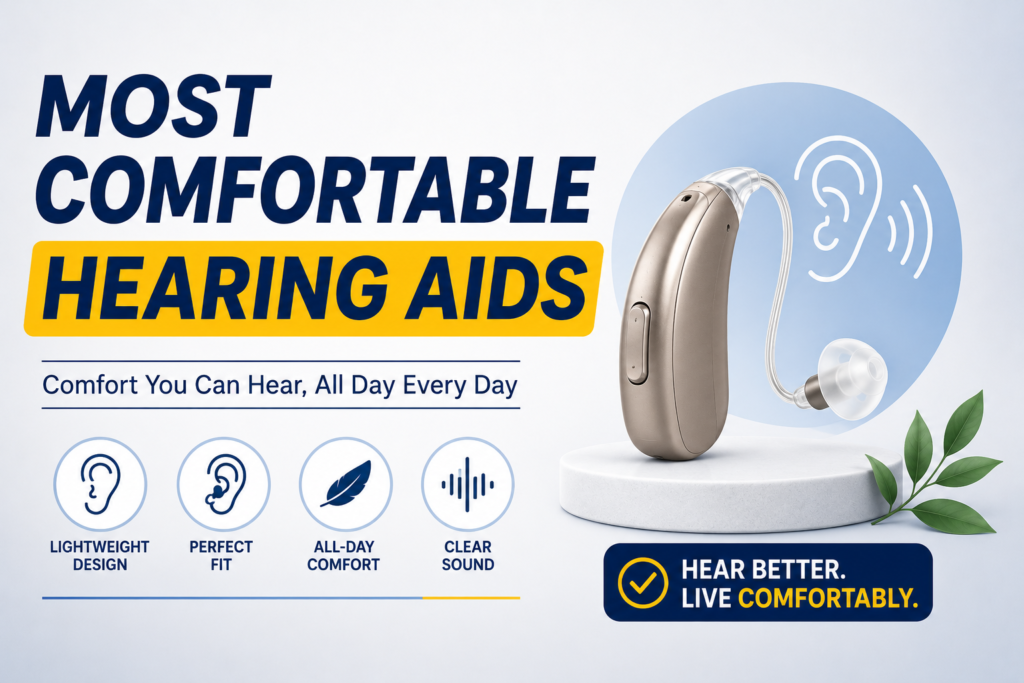
Blog Book An Appointment Most Comfortable Hearing Aids: Finding the Right Fit for Better Hearing A hearing aid should not only help you hear better but should also feel comfortable enough to wear throughout the day. Since many people depend on hearing aids during conversations, work, and daily activities, choosing a device that feels natural is very important. The most comfortable hearing aids are designed to provide a secure fit, clear sound quality, and a smooth hearing experience without causing unnecessary discomfort. Today’s advanced hearing solutions offer lightweight designs, improved technology, and personalized options to suit different needs. At Auritron Tech Manufacturing Pvt. Ltd., the goal is to provide hearing solutions that focus on comfort, advanced features, and reliable performance to help users communicate with confidence. What Makes Hearing Aids Comfortable? A comfortable hearing aid is one that fits properly, feels natural, and supports your hearing needs throughout the day. The device should stay secure without creating pressure, irritation, or difficulty while wearing it. Comfort depends on several factors, including the hearing aid style, size, fitting, technology, and ease of use. When the right device is selected, users can enjoy better hearing without constantly feeling aware of their hearing aid. Why Is Comfort Important When Choosing Hearing Aids? Everyone has a different ear shape, hearing level, and lifestyle. A hearing aid that works well for one person may not provide the same comfort for another. Choosing the most comfortable hearing aids helps improve daily usage, listening quality, and overall satisfaction. A well-fitted device allows users to communicate easily, participate in conversations, and enjoy everyday sounds more comfortably. A professional hearing evaluation helps find a hearing aid that matches both hearing requirements and personal comfort. Most Comfortable Hearing Aids: Features to Look For Finding the right hearing aid involves understanding the features that make everyday use easier and more comfortable. Lightweight and Comfortable Design Modern hearing aids are created with smaller, lighter designs that reduce pressure on the ear. This allows users to wear them comfortably for longer hours. Customized Fitting A personalized fitting ensures that the hearing aid matches the shape of the user’s ear. This improves comfort, stability, and the overall listening experience. Natural Sound Quality Advanced hearing technology helps provide clearer and more natural sound, making conversations and daily listening situations easier. Background Noise Control Noise management features help reduce unwanted background sounds, allowing users to focus better on speech and important sounds. Easy Everyday Use Simple controls, comfortable handling, and easy maintenance make hearing aids more convenient for regular use. Types of Comfortable Hearing Aids Different styles of hearing aids are available to suit various hearing needs, comfort preferences, and lifestyles. Behind-the-Ear (BTE) Hearing Aids Behind-the-ear hearing aids sit comfortably behind the ear and connect with an ear tip or mold. They are known for their comfortable design, easy handling, and reliable performance. Receiver-in-Canal (RIC) Hearing Aids RIC hearing aids are designed to be lightweight and comfortable. Their smaller structure provides a natural feel while delivering clear sound quality. In-the-Ear (ITE) Hearing Aids ITE hearing aids are made to fit within the outer part of the ear. Their customized design helps provide a secure and comfortable fit. Completely-in-Canal (CIC) Hearing Aids CIC hearing aids are placed deeper inside the ear canal and are preferred by users looking for a compact and less visible hearing solution. Benefits of Choosing the Most Comfortable Hearing Aids A comfortable hearing aid can make a positive difference in everyday communication and confidence. Benefits include: Comfortable long-term wearing experience Improved speech clarity Better communication in daily life Secure and personalized fitting More natural listening experience Increased confidence during conversations When hearing aids feel comfortable, users are more likely to wear them regularly and experience better results. How to Choose the Most Comfortable Hearing Aid? Finding the right hearing aid depends on your hearing condition, comfort needs, and lifestyle preferences. A hearing specialist can help recommend the most suitable option after a complete evaluation. Important factors include: Level of hearing difficulty Shape and size of the ear Daily routine and activities Preferred hearing aid style Technology requirements Comfort expectations Choosing the right device ensures a balance between better hearing, comfort, and convenience. Who Can Benefit from Comfortable Hearing Aids? Comfortable hearing aids are suitable for individuals who want a device that supports their hearing needs without disturbing their daily routine. They can benefit people who: Wear hearing aids for many hours Feel discomfort with previous devices Prefer lightweight hearing solutions Need clearer conversations Want simple and user-friendly technology Why Choose Auritron Tech Manufacturing Pvt. Ltd.? Auritron Tech Manufacturing Pvt. Ltd. provides advanced hearing solutions designed to improve comfort, clarity, and everyday hearing experiences. Each hearing device focuses on combining modern technology with user-friendly features. With innovative designs, quality solutions, and personalized support, Auritron Tech helps individuals choose hearing aids that match their lifestyle, hearing needs, and comfort preferences. Conclusion Choosing the most comfortable hearing aids helps improve hearing, communication, and confidence in everyday life. A device that fits well and feels natural encourages regular use while providing better sound experiences. At Auritron Tech Manufacturing Pvt. Ltd., users receive advanced hearing solutions designed with comfort, technology, and quality to support better hearing and an improved lifestyle. FAQs Which hearing aids are considered the most comfortable? The most comfortable hearing aids depend on your hearing needs, ear shape, and personal preferences. A hearing specialist can help select the right option. Can I comfortably wear hearing aids throughout the day? Yes, properly fitted hearing aids are designed for daily use and can be worn comfortably for long hours. Are small hearing aids always more comfortable? Not always. While small devices may feel comfortable for some users, the best choice depends on fitting, hearing needs, and lifestyle. How can I tell if my hearing aid fits properly? A properly fitted hearing aid should feel secure, provide clear sound, and should not cause irritation or discomfort. Do comfortable hearing aids have advanced features? Yes, modern comfortable hearing aids
Hearing Aids for Small Ear Canals
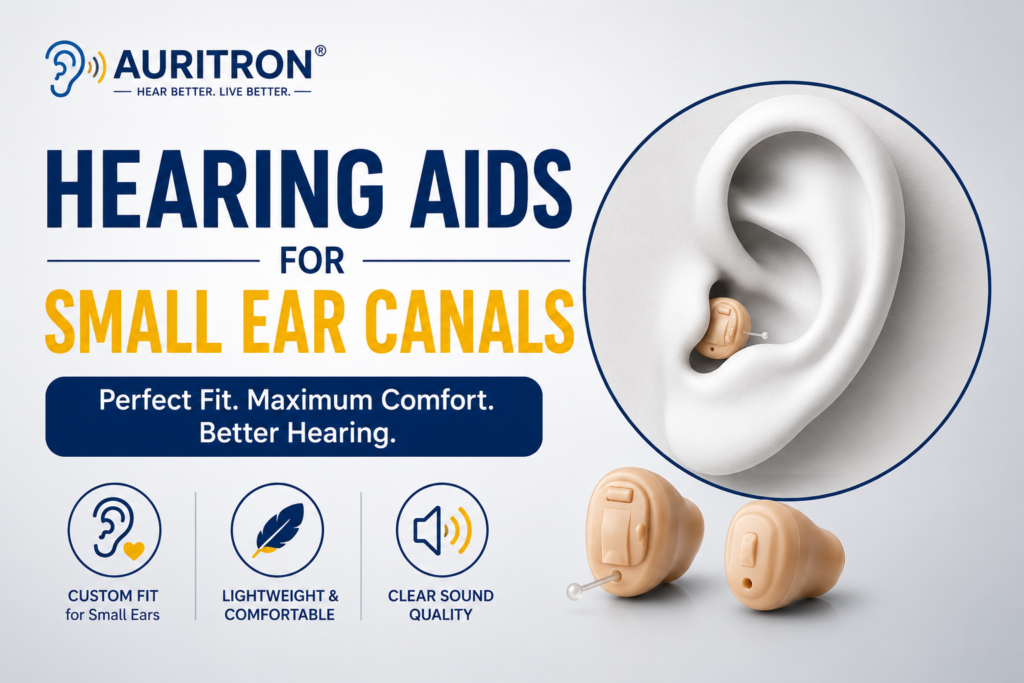
Blog Book An Appointment Hearing Aids for Small Ear Canals: Finding Comfort Without Compromising Sound Finding a hearing aid that feels comfortable is just as important as getting better sound quality. For individuals with smaller ear canals, regular hearing aids may sometimes feel uncomfortable, loose, or difficult to wear for long hours. Hearing aids for small ear canals are designed to offer a better fit while supporting clear and natural hearing. At Auritron Tech Manufacturing Pvt. Ltd., the focus is on providing advanced hearing solutions that combine comfort, technology, and everyday usability. What Are Hearing Aids for Small Ear Canals? Hearing aids for small ear canals are specially designed devices that provide a secure and comfortable fit for people with smaller ear structures. These devices help improve hearing without creating unnecessary pressure or discomfort inside the ear. With advancements in hearing technology, users now have access to different styles and designs that match their hearing requirements, lifestyle preferences, and comfort needs. Why Is the Right Hearing Aid Fit Important? The shape and size of every ear canal are different, which means the same hearing aid may not work comfortably for everyone. A poorly fitted device may cause irritation, discomfort, or difficulty in getting the best hearing experience. Choosing a properly fitted hearing aid helps improve sound quality, provides better stability, and allows comfortable use throughout the day. A professional evaluation ensures that the selected device matches both your hearing needs and ear structure. Hearing Aids for Small Ear Canals: Important Features to Consider Selecting the right hearing aid involves more than choosing a smaller device. Comfort, technology, and daily usability all play an important role in improving the overall experience. Small and Comfortable Design Compact hearing aids are created to fit naturally without causing pressure inside the ear. Their lightweight design makes them easier to wear for longer periods. Personalized Fitting Options Custom-fit hearing aids are designed according to the individual shape of the ear, helping provide better comfort, placement, and sound delivery. Advanced Sound Clarity Modern hearing aids use digital technology to improve speech understanding and provide clearer hearing in different listening situations. Background Noise Management Noise reduction features help reduce unwanted surrounding sounds, making it easier to focus on conversations in busy environments. Simple Use and Maintenance The right hearing aid should be convenient for daily use. Easy handling, cleaning, and maintenance help provide a better long-term experience. Types of Hearing Aids Suitable for Small Ear Canals There are several hearing aid options available for people with smaller ear canals. In-the-ear and completely-in-canal styles are often preferred by those looking for a smaller and less noticeable design. Behind-the-ear hearing aids with properly fitted ear tips can also be a comfortable choice. The best option depends on hearing level, ear shape, lifestyle, and personal preference. Who Can Benefit from Hearing Aids for Small Ear Canals? These hearing aids are helpful for individuals who find regular devices uncomfortable or struggle with achieving a proper fit. They are suitable for people who want a hearing solution that feels natural while providing effective hearing support. Anyone looking for a combination of comfort, appearance, and improved hearing can consider these options after consulting a hearing specialist. Why Choose Auritron Tech Manufacturing Pvt. Ltd.? Auritron Tech Manufacturing Pvt. Ltd. focuses on creating hearing solutions designed around comfort, reliability, and modern technology. Every device is developed to support clearer communication and improve everyday hearing experiences. With user-friendly designs, advanced features, and personalized guidance, Auritron helps individuals choose hearing solutions that fit their lifestyle and provide long-term confidence. Conclusion Choosing the right hearing aids for small ear canals can make a major difference in comfort, confidence, and daily communication. A well-fitted device helps provide clearer sound while allowing users to wear it comfortably throughout the day. At Auritron Tech Manufacturing Pvt. Ltd., the goal is to provide advanced and comfortable hearing solutions that help people enjoy better hearing and improved quality of life. FAQs Which hearing aids are suitable for small ear canals? The most suitable hearing aid depends on your ear shape, hearing needs, and comfort preferences. Compact or custom-fit devices are commonly recommended. Can small ear canals affect hearing aid comfort? Yes, ear canal size can affect how a hearing aid fits and feels. Choosing the right size and style improves comfort. Do smaller hearing aids provide good sound quality? Yes, many compact hearing aids include advanced technology that provides clear sound and effective hearing support. How do I choose a hearing aid for small ears? A hearing evaluation can help determine the right hearing aid based on your ear structure, hearing level, and lifestyle. Are custom hearing aids helpful for small ear canals? Yes, custom hearing aids are designed for individual ear shapes and may provide better comfort and fitting. The most suitable hearing aid depends on your ear shape, hearing needs, and comfort preferences. Compact or custom-fit devices are commonly recommended. Yes, ear canal size can affect how a hearing aid fits and feels. Choosing the right size and style improves comfort. Yes, many compact hearing aids include advanced technology that provides clear sound and effective hearing support. A hearing evaluation can help determine the right hearing aid based on your ear structure, hearing level, and lifestyle. Yes, custom hearing aids are designed for individual ear shapes and may provide better comfort and fitting. Experience Comfortable Hearing — Find Hearing Aids Designed Perfectly for Small Ear Canals Book An Appointment
Best Bluetooth Hearing Aids
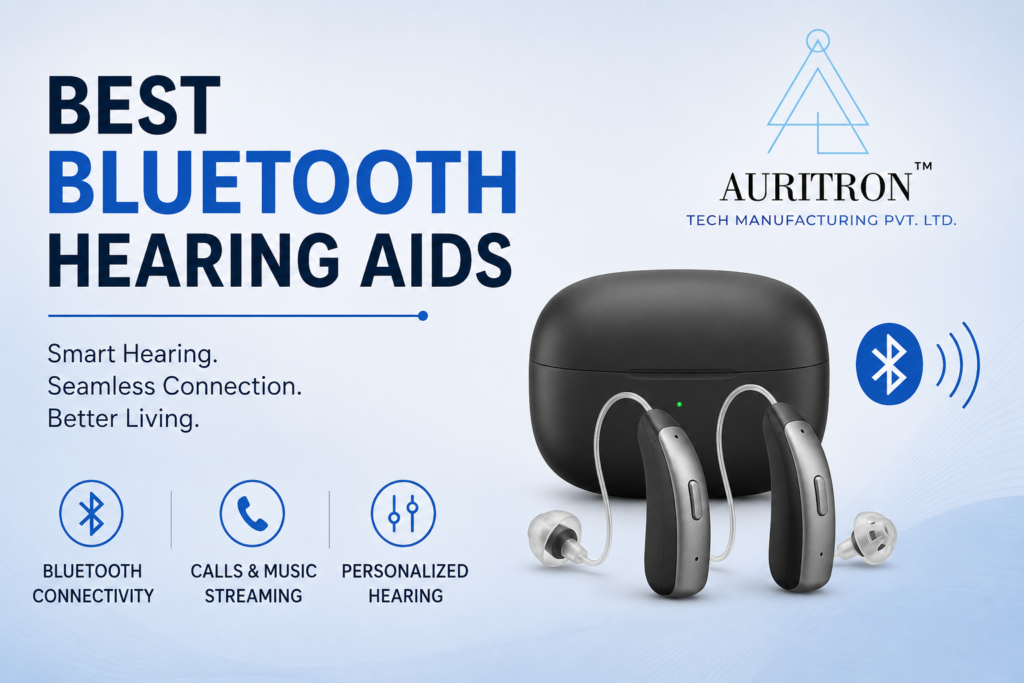
Blog Book An Appointment Best Bluetooth Hearing Aids: Choosing the Right Device for Better Hearing Hearing aid technology has changed greatly over the years, making devices more advanced, comfortable, and convenient for everyday use. One of the biggest improvements is Bluetooth connectivity, which allows hearing aids to connect wirelessly with smartphones, televisions, and other digital devices. Choosing the best bluetooth hearing aids can make communication easier, improve listening experiences, and provide better control over your hearing needs. At Auritron Tech Manufacturing Pvt. Ltd., the focus is on delivering advanced hearing solutions that combine clear sound, comfort, and modern technology. What Are Bluetooth Hearing Aids? Bluetooth hearing aids are modern hearing devices designed with wireless technology that allows them to connect with compatible electronic devices. Users can listen to phone calls, music, videos, and other audio directly through their hearing aids. These devices not only support better hearing but also make everyday activities more convenient by offering a smoother and more personalized listening experience. How Do Bluetooth Hearing Aids Work? Bluetooth hearing aids use wireless signals to connect with devices such as smartphones, tablets, and televisions. Once connected, the audio is sent directly to the hearing aid, allowing users to enjoy clearer and more convenient listening. Many advanced Bluetooth hearing aids also come with mobile apps that allow users to adjust volume, manage settings, and customize sound preferences based on different surroundings. Best Bluetooth Hearing Aids: Features to Look For The best bluetooth hearing aids depend on your hearing requirements, daily activities, and comfort preferences. Choosing the right features can improve your overall hearing experience. Direct Audio Streaming Bluetooth hearing aids allow direct streaming of phone calls, music, and videos from compatible devices. This provides clearer sound quality and makes communication more comfortable. Smart Noise Reduction Technology Modern hearing aids can reduce unwanted background noise and improve speech clarity, making conversations easier in crowded or noisy places. Rechargeable Battery Support Rechargeable Bluetooth hearing aids offer better convenience by reducing the need for frequent battery replacements and supporting longer daily usage. Smartphone App Control Many Bluetooth hearing aids allow users to adjust settings through mobile applications, helping them personalize sound according to different listening environments. Comfortable and Modern Design Today’s hearing aids are designed to be lightweight, comfortable, and easy to wear for extended periods without affecting daily routines. Who Can Benefit from Bluetooth Hearing Aids? Bluetooth hearing aids are suitable for people who want improved hearing along with advanced connectivity and convenience. They can be especially helpful for individuals who: Regularly use smartphones Attend video meetings or phone calls Enjoy music, videos, or digital entertainment Prefer easy control over hearing settings Want modern hearing technology for everyday activities A professional hearing assessment can help determine the most suitable hearing aid based on individual needs. When Should You Consult a Hearing Specialist? If you find it difficult to follow conversations, frequently increase the volume on devices, or struggle to hear clearly in noisy surroundings, it may be time to consult a hearing specialist. A hearing expert can evaluate your condition and recommend suitable Bluetooth hearing aids based on your hearing needs, lifestyle, and comfort preferences. Why Choose Auritron Tech Manufacturing Pvt. Ltd.? At Auritron Tech Manufacturing Pvt. Ltd., hearing solutions are created with a focus on advanced technology, comfort, and improved everyday communication. The company provides modern hearing aids designed to support clearer hearing and better user experiences. With reliable features, easy-to-use technology, and personalized support, Auritron helps individuals find hearing solutions that fit their lifestyle and hearing requirements. Conclusion Choosing the best bluetooth hearing aids can improve communication, make listening easier, and add more convenience to everyday life. Features like wireless streaming, smart sound adjustments, and rechargeable options help create a better hearing experience. At Auritron Tech Manufacturing Pvt. Ltd., the focus is on providing advanced, comfortable, and dependable hearing solutions that help individuals enjoy clearer sound and improved quality of life. FAQs What are the best bluetooth hearing aids? The best bluetooth hearing aids depend on your hearing needs, lifestyle, comfort, and preferred features. A hearing specialist can help you select the right device. Can Bluetooth hearing aids connect directly to a phone? Yes, many Bluetooth hearing aids connect with smartphones, allowing users to stream calls, music, and adjust settings easily. Are rechargeable Bluetooth hearing aids a good choice? Yes, rechargeable hearing aids are convenient for daily use and reduce the need for frequent battery replacement. Do Bluetooth hearing aids provide better sound quality? Advanced Bluetooth hearing aids can improve listening comfort with clearer sound, noise management, and personalized settings. Can Bluetooth hearing aids be used every day? Yes, Bluetooth hearing aids are designed for regular use and provide comfort, connectivity, and hearing support throughout daily activities. The best bluetooth hearing aids depend on your hearing needs, lifestyle, comfort, and preferred features. A hearing specialist can help you select the right device. Yes, many Bluetooth hearing aids connect with smartphones, allowing users to stream calls, music, and adjust settings easily. Yes, rechargeable hearing aids are convenient for daily use and reduce the need for frequent battery replacement. Advanced Bluetooth hearing aids can improve listening comfort with clearer sound, noise management, and personalized settings. Yes, Bluetooth hearing aids are designed for regular use and provide comfort, connectivity, and hearing support throughout daily activities. Experience Clearer Conversations — Discover Smart Bluetooth Hearing Aids Designed for You Book An Appointment
Hearing Aid for Old Age: Benefits, Types and How to Choose the Right One

Blog Book An Appointment Hearing Aid for Old Age: Benefits, Types and How to Choose the Right One Hearing loss is a natural part of aging for many individuals. As people grow older, they may begin to notice difficulty hearing conversations, television audio, phone calls, or sounds in their surroundings. These changes can affect communication, social interactions, and overall confidence. Fortunately, a hearing aid for old age can help seniors maintain an active and independent lifestyle by improving their ability to hear and engage with the world around them. Modern hearing aids are designed with advanced technology that goes beyond simple sound amplification. They can enhance speech clarity, reduce background noise, and provide a more comfortable listening experience. With various styles and features available today, older adults can choose solutions that fit their hearing needs and daily routines. Why Hearing Loss Becomes More Common With Age As the body ages, the structures within the inner ear gradually undergo changes that can affect hearing ability. This age-related hearing loss, known as presbycusis, typically develops slowly over time. Because the decline is gradual, many seniors may not immediately realize that their hearing has become weaker. Often, the first signs appear during conversations, especially in crowded or noisy environments. Older adults may frequently ask others to repeat themselves, struggle to follow discussions, or increase the volume of televisions and mobile devices. Over time, these challenges can make communication more difficult and reduce participation in social activities. Seeking timely hearing assessment and treatment can help address these concerns before they significantly affect quality of life. How a Hearing Aid Helps Older Adults A hearing aid works by capturing sounds from the environment, processing them digitally, and delivering clearer amplified sound to the ear. This technology allows seniors to hear speech and everyday sounds more effectively, making conversations easier and reducing listening effort. The benefits extend beyond hearing improvement. Better hearing often leads to stronger social connections, greater confidence, and increased participation in family gatherings and community activities. Many older adults also feel safer when they can clearly hear alarms, doorbells, traffic sounds, and other important environmental cues. By improving communication and awareness, hearing aids can support greater independence and emotional well-being. Types of Hearing Aids Available for Seniors Several types of hearing aids are available to meet different levels of hearing loss and personal preferences. Behind-the-ear hearing aids are among the most commonly recommended options for seniors because they are durable, easy to handle, and suitable for a wide range of hearing needs. Receiver-in-canal models offer a smaller and lighter design while providing excellent sound quality and comfort. In-the-ear hearing aids are custom-made to fit the outer ear and are often preferred by individuals who want larger controls and easier handling. Completely-in-canal devices fit deeper within the ear canal and are less visible, though their smaller size may make them more challenging for some older adults to manage. The best choice depends on hearing requirements, comfort, and lifestyle preferences. Types of Ear Aid Machines There are different types of hearing aids available, including behind-the-ear (BTE), in-the-ear (ITE), and completely-in-canal (CIC) models. Each type offers its own balance of comfort, visibility, and performance. Choosing the right one depends on your hearing condition, daily routine, and personal preference. A professional evaluation can help you find the most suitable option. Features to Consider When Choosing a Hearing Aid for Seniors Today’s hearing aids include advanced features that can significantly improve the listening experience. Noise reduction technology helps minimize unwanted background sounds, making conversations clearer in busy environments. Directional microphones focus on speech coming from specific directions, which can be particularly useful in social settings. Rechargeable batteries have become increasingly popular among seniors because they eliminate the need for frequent battery replacements. Many modern devices also offer Bluetooth connectivity, allowing users to stream calls, television audio, and music directly to their hearing aids. Automatic sound adjustment features further enhance convenience by adapting to different listening environments without requiring manual changes. Choosing the Right Hearing Aid for Old Age Selecting the right hearing aid involves considering more than appearance alone. The degree of hearing loss plays a major role in determining which device will provide the best results. Comfort is equally important, as hearing aids are worn for many hours each day and should fit securely without causing irritation. Ease of use should also be considered, especially for seniors who may have vision limitations or reduced hand dexterity. Features such as larger controls, rechargeable batteries, and simple maintenance requirements can make daily use more convenient. Lifestyle factors matter as well. Someone who frequently attends social gatherings may benefit from advanced speech enhancement and noise reduction features, while others may prefer a simpler device tailored to home use. Adapting to a New Hearing Aid It is normal for new hearing aid users to require an adjustment period. Initially, sounds may seem different because the brain is becoming accustomed to hearing frequencies that may have been missed for some time. Consistent use helps accelerate this adaptation process. Most individuals gradually become comfortable with their hearing aids over several weeks. Starting in quieter environments and progressively using the device in more challenging listening situations can make the transition smoother. Regular follow-up appointments also help ensure that the hearing aid is properly adjusted for optimal performance. When Should an Older Adult Consider a Hearing Aid? A hearing aid should be considered when hearing difficulties begin affecting daily communication, relationships, or overall quality of life. Delaying treatment can make conversations more challenging and may lead to social withdrawal over time. Early intervention often provides better outcomes by helping individuals stay engaged and connected with their surroundings. Regular hearing evaluations become increasingly important with age, particularly when symptoms such as difficulty understanding speech, frequent misunderstandings, or increased television volume become noticeable. Addressing hearing loss early can support better communication and overall well-being. Conclusion A hearing aid for old age can make a significant difference in the lives of older adults by improving communication, confidence,