
Getting hearing aids can make everyday conversations easier, but the first few days may feel unusual. Your own voice might sound louder, other people’s voices may seem sharper, and familiar sounds may appear different from what you remember. This experience can be surprising, especially if you expected hearing aids to make everything sound normal immediately.
So, why do voices sound different after getting hearing aids? The main reason is that hearing aids change the way sounds reach your ears by amplifying and processing selected frequencies. Your brain may also need time to adjust to sounds that were previously difficult to hear. In many cases, these changes become more comfortable with regular use and appropriate device adjustments.
Hearing loss can gradually reduce your ability to hear certain sounds, particularly high-frequency speech sounds. Over time, your brain adapts to this reduced sound input, and you may become accustomed to hearing voices in a particular way. When you begin using hearing aids, sounds that were previously faint or missing become more noticeable.
As a result, speech may initially seem brighter, sharper, louder, or unfamiliar. Hearing aids do more than increase overall volume; they are programmed to provide amplification based on your hearing test results. The change in sound quality can take time to feel natural as your brain adjusts to the additional auditory information.
Some new hearing aid users feel that their own voice sounds hollow, boomy, muffled, or unusually loud. This sensation is sometimes called the occlusion effect, which can occur when the ear canal is partially blocked by a hearing aid or earmould. Speaking creates vibrations that travel through the tissues of your head, and these vibrations may sound more noticeable when the ear canal is occluded.
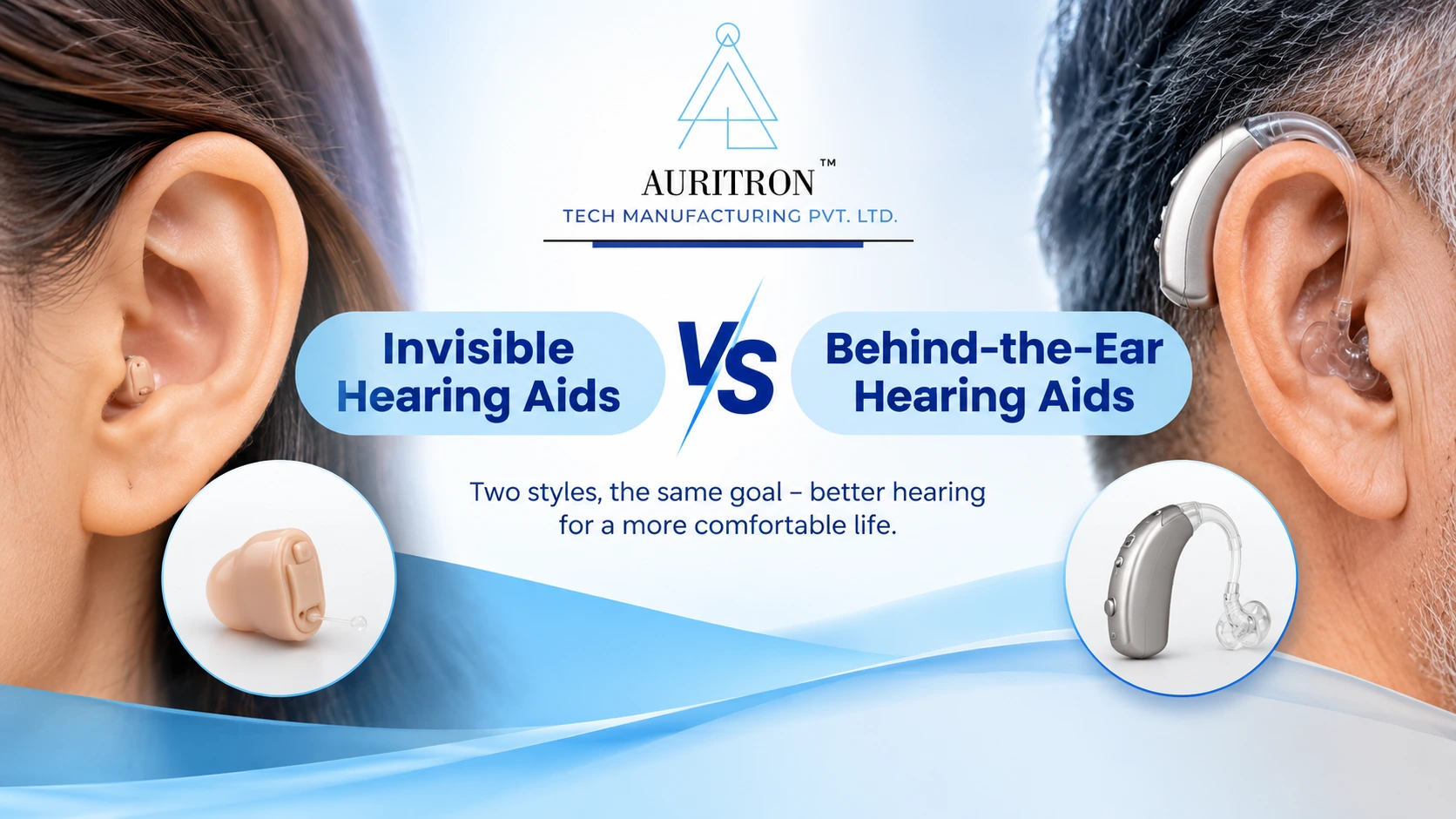
The effect depends on the device style, ear fit, and individual hearing characteristics. Some hearing aids have open fittings that allow more natural sound to enter the ear canal, which may reduce this sensation for suitable users. If your voice continues to sound uncomfortable, an audiologist can assess the fit and adjust the device when appropriate.
Other people’s voices may initially sound tinny, metallic, sharp, or less natural after hearing aid fitting. This can happen when amplified frequencies are unfamiliar or when the device settings do not yet provide the most comfortable sound quality for you.
Background noise and the acoustic environment can also influence how speech sounds. For example, a conversation in a quiet room may feel comfortable, while voices in a busy restaurant may seem harsh or difficult to separate from surrounding sounds. Hearing aids can include features to manage noise, but their effectiveness varies depending on the device, environment, and hearing needs.
If voices consistently sound distorted or unpleasant, the settings may need reviewing rather than assuming you must simply tolerate the problem.
Adjustment time varies from person to person. Some people become comfortable with their hearing aids within days, while others need several weeks or longer to adapt. The time required can depend on how long you have experienced hearing loss, its severity, the type of hearing aid, and your daily listening environments.
During the adjustment period, wearing the devices according to your audiologist’s instructions and gradually experiencing everyday sounds may help. You may notice the sound of footsteps, running water, paper rustling, or background conversations more clearly than before. These sounds can seem distracting initially but may become less noticeable as you become accustomed to them.
If discomfort or poor sound quality persists, arrange a follow-up with your hearing care professional for an assessment and possible adjustments.
Start by using your hearing aids according to the schedule recommended by your audiologist. Spend time listening in quiet surroundings before introducing more challenging environments, such as busy streets or group conversations. Give yourself breaks when needed, especially if listening feels tiring.
Avoid changing the device settings repeatedly without guidance. Keeping notes about which sounds seem too loud, sharp, or unclear can help your audiologist make more targeted adjustments at a follow-up appointment.
Yes. Hearing aid settings can influence how clearly and comfortably voices sound. An audiologist may adjust the amplification at specific frequencies, change noise management settings, or review the physical fit of the device. These adjustments aim to balance speech audibility with listening comfort.
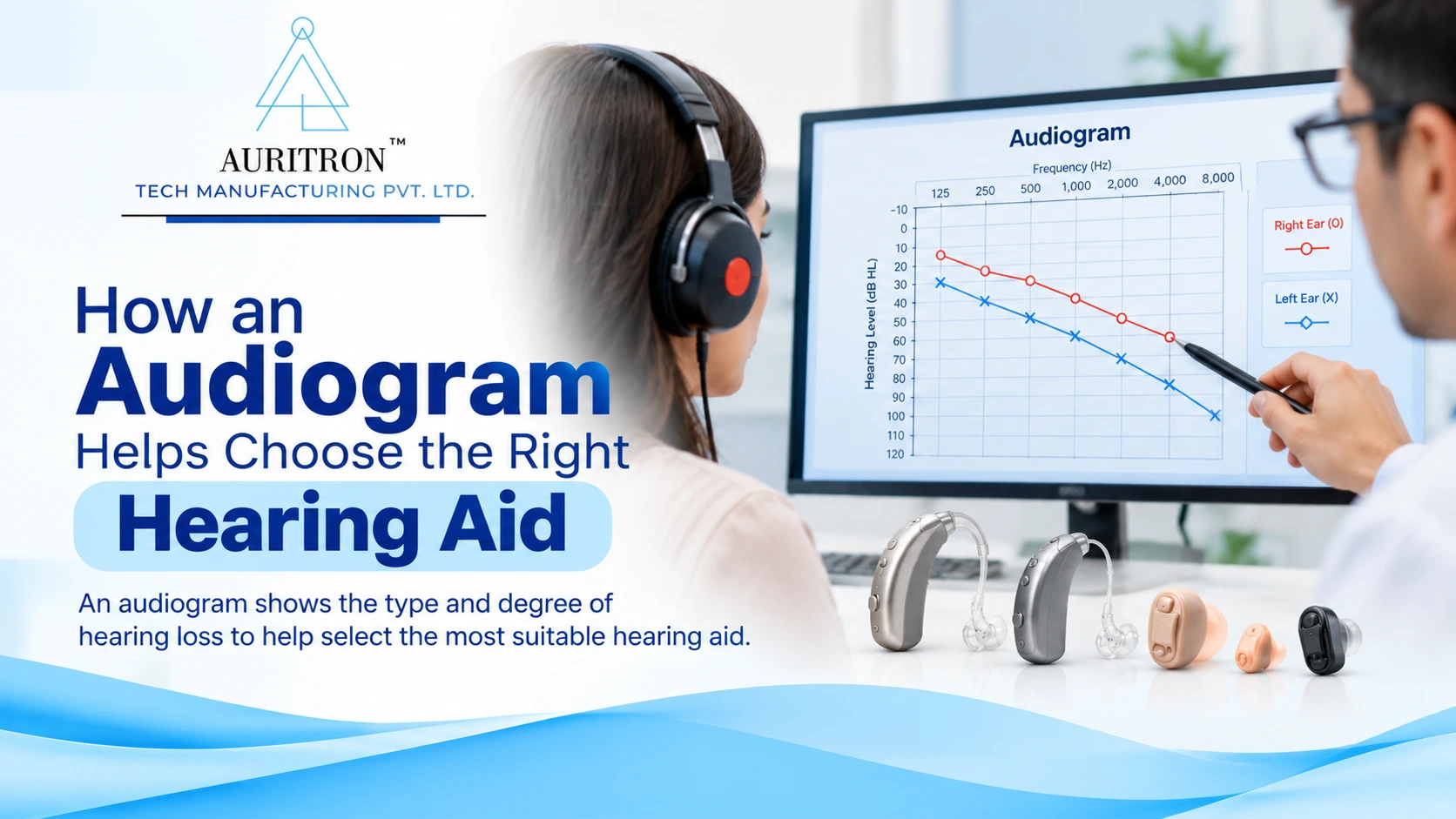
For example, excessive amplification in certain frequency ranges may make some sounds seem harsh, while insufficient amplification may leave speech unclear. The right settings depend on your audiogram, speech understanding, hearing aid model, and personal listening experiences. Real-ear measurements, when available and appropriate, can help verify that the device is providing the intended amplification in your ear.
A hearing aid fitting is not always a one-time process. Your experience during everyday conversations can reveal difficulties that may not be obvious during the initial fitting. Follow-up appointments allow the audiologist to review your concerns, assess device performance, and make suitable changes.
If voices remain unnatural, mention whether the problem occurs with your own voice, other people’s voices, telephone conversations, or background noise. Specific examples help guide adjustments more effectively.
Some changes in sound perception are expected during adjustment, but persistent discomfort should not be ignored. If voices sound consistently distorted, the hearing aids cause pain, or you experience feedback, excessive loudness, or difficulty understanding speech, have the fitting and device settings reviewed.
Do not assume that every problem is part of the adjustment process. Earwax, ear conditions, an unsuitable fit, or changes in hearing may also affect listening comfort. If you experience sudden hearing loss, new severe dizziness, or other sudden concerning ear symptoms, seek prompt medical evaluation rather than waiting for a routine hearing aid adjustment.
Many users find that voices become more comfortable and familiar as they adjust to hearing aids and receive appropriate fitting support. However, hearing aids do not restore normal hearing, and some sounds may continue to seem different. The goal is to improve access to speech and everyday sounds while achieving the best possible comfort and listening performance for your hearing needs.
If you have wondered why voices sound different after getting hearing aids, the change is often related to amplified sound frequencies, the fit of the device, and your brain adjusting to sounds it previously heard less clearly. Some initial differences may improve with time, while persistent discomfort may require professional adjustments. Following your fitting guidance and attending follow-up appointments can help make listening more comfortable and improve your experience with hearing aids.
Yes. Voices may initially sound louder, sharper, or unfamiliar as your brain adjusts to amplified sounds. Persistent distortion or discomfort should be assessed by an audiologist.
A hollow or boomy voice may result from the occlusion effect, which occurs when a hearing aid or earmould partially blocks the ear canal. A fitting adjustment may help.
Follow the wearing schedule recommended by your audiologist. Gradual use may help some people adjust comfortably, particularly if amplified sounds initially feel overwhelming.
Hearing aids can make speech more audible and improve communication for many people with hearing loss. Results vary, and some individuals may still struggle in noisy environments.
Arrange a follow-up hearing aid assessment. Your audiologist can review the fit, amplification settings, and hearing results to identify possible ways to improve sound quality.


Ready to hear better? Visit our store or schedule hearing test with our experts. Auritron Tech is committed to helping you or your loved ones regain the joy of hearing with care and compassion.