
Choosing a hearing aid is not just about selecting a device that makes sounds louder. The right hearing aid should match your hearing needs, daily activities, comfort, and listening preferences. An audiogram plays an important role in this process because it provides a visual representation of how well you hear different sounds at different pitches.
If you struggle to follow conversations, hear the television clearly, or understand speech in noisy places, a hearing test can help identify the type and degree of hearing loss. Understanding how an audiogram can help decide the most suitable hearing aid makes it easier to see why a personalised hearing assessment is important before choosing a device.
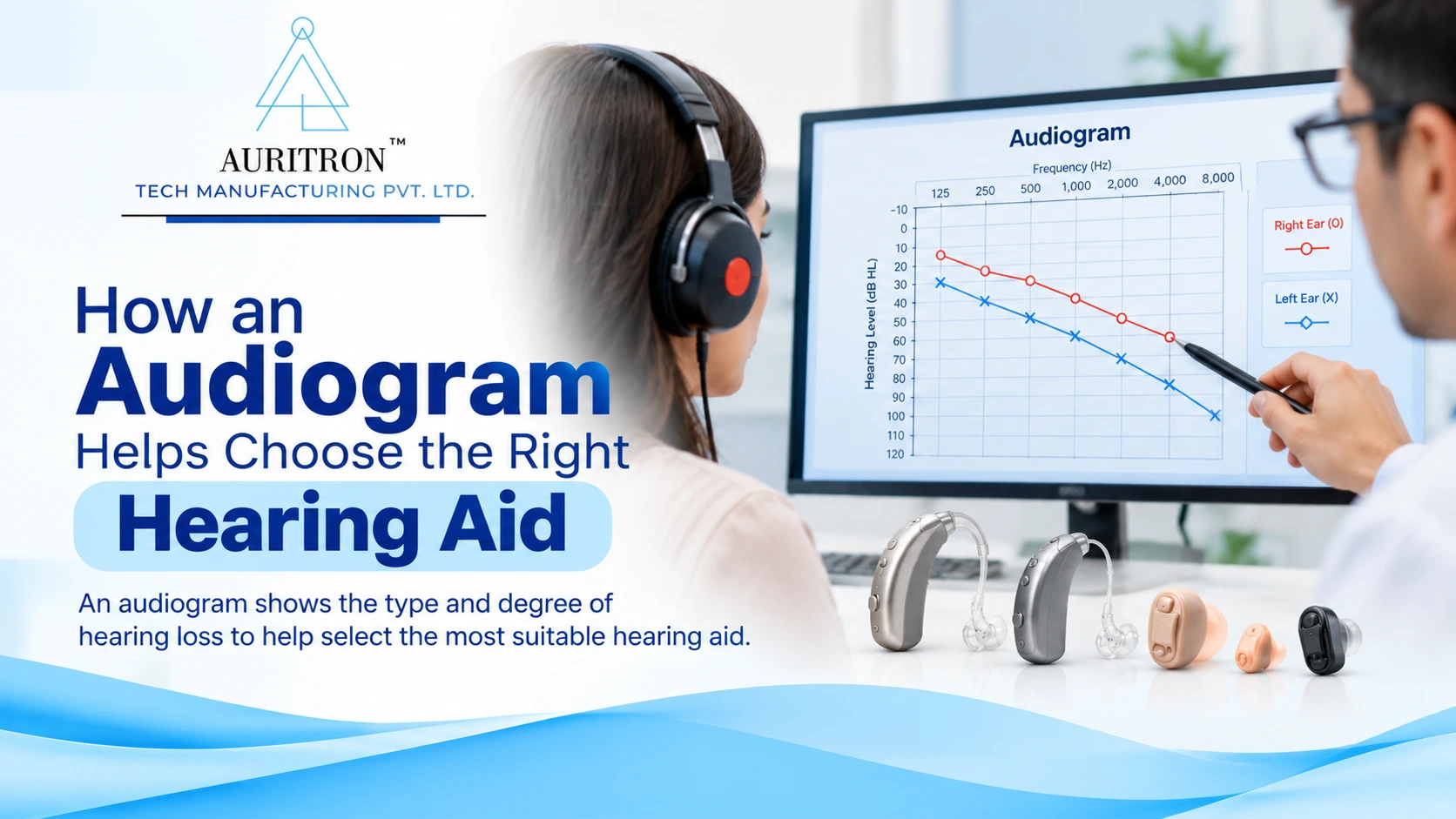
An audiogram is a graph that displays the results of a hearing test. It shows the quietest sounds a person can hear at different frequencies, measured in hertz (Hz), and different sound levels, measured in decibels hearing level (dB HL). The test is usually performed by an audiologist using headphones or other appropriate equipment in a controlled environment.
The graph generally shows low-pitched sounds on one side and high-pitched sounds on the other. Hearing thresholds are marked for each ear, helping the audiologist identify which sounds are difficult to hear. These results provide useful information for assessing hearing loss and determining whether hearing aids or further medical evaluation may be appropriate.
An audiogram helps identify the frequencies where hearing is reduced and how much amplification may be needed. This information guides the selection and programming of hearing aids so that sounds can be amplified according to an individual’s hearing profile rather than applying the same settings to everyone.
For example, someone with difficulty hearing high-pitched speech sounds may need a different hearing aid configuration from someone whose hearing loss mainly affects low frequencies. The audiogram also helps the audiologist assess whether one or both ears require hearing support. However, the final choice also depends on speech understanding, ear health, dexterity, lifestyle, and personal preferences.
Audiograms help classify hearing loss according to the hearing thresholds recorded during testing. The degree of hearing loss can influence the amplification range and type of hearing aid considered suitable.
Mild hearing loss may make soft speech or conversations in noisy environments difficult to follow. Moderate hearing loss can affect everyday conversations more noticeably, while severe or profound hearing loss may require more powerful hearing technology or other specialised hearing solutions. These categories are only part of the assessment, and an audiologist interprets the results alongside other findings before recommending a device.
High-frequency hearing loss can make consonants such as “s,” “f,” and “th” difficult to hear. As a result, someone may hear another person speaking but struggle to distinguish the words clearly. An audiogram can reveal this pattern and help guide hearing aid settings that provide appropriate amplification for affected frequencies.
Low-frequency hearing loss affects the ability to hear lower-pitched sounds. Depending on its pattern and severity, it may affect the perception of deeper voices or certain environmental sounds. An audiogram helps the audiologist determine the amplification required at these frequencies while maintaining comfortable sound quality.
Yes, an audiogram can help narrow down suitable hearing aid options, particularly by indicating the level of amplification required. However, it does not determine the device style on its own. The audiologist also considers the shape and condition of the ear, comfort, handling ability, and the person’s everyday needs.
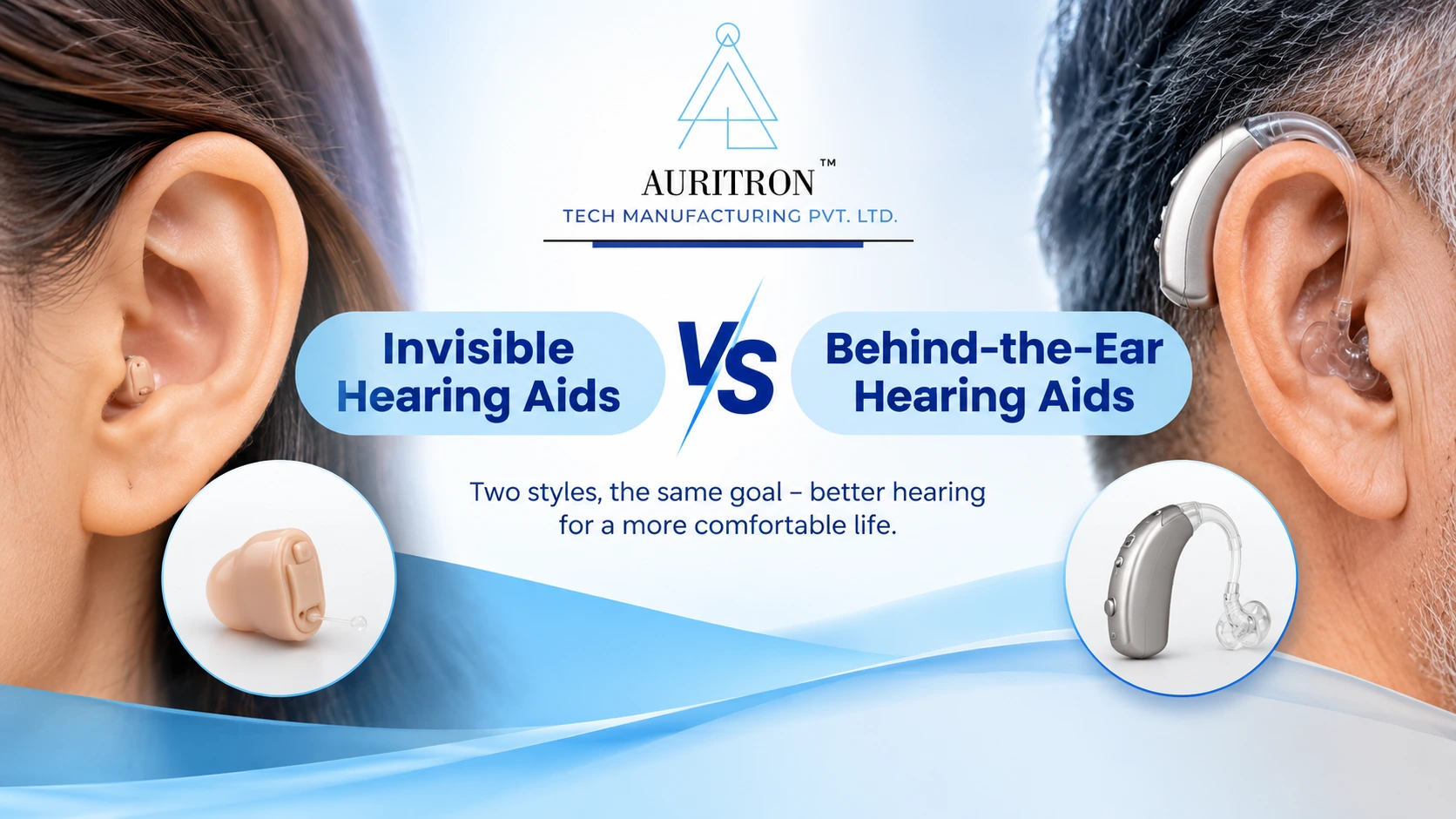
Behind-the-ear hearing aids may be suitable for a wide range of hearing loss levels, depending on the model. Receiver-in-canal devices can offer a discreet design and different receiver options, while in-the-ear hearing aids fit within the outer ear. The suitability of each style depends on the individual’s hearing profile, ear anatomy, and other practical considerations.
An audiogram provides information about the amplification a person may need, but it does not independently determine whether a basic or advanced hearing aid is the right choice. Features such as directional microphones, background noise management, rechargeable batteries, and Bluetooth connectivity may be considered according to the person’s lifestyle and listening challenges.
For example, someone who frequently attends meetings or family gatherings may benefit from features designed to improve speech listening in challenging environments. Someone who mainly needs support during one-to-one conversations may have different priorities. The audiologist can combine audiogram findings with the person’s preferences to recommend appropriate options without relying on technology level alone.
An audiogram measures the ability to detect tones, but hearing speech clearly involves more than detecting sounds. Speech recognition testing may help assess how well a person identifies spoken words at an appropriate listening level. This information can help guide hearing aid recommendations and identify when additional assessment may be needed.
After reviewing the hearing test results, the audiologist explains the hearing profile and discusses suitable options. If hearing aids are recommended, they can be programmed according to the measured thresholds and adjusted to the person’s listening needs. Real-ear measurements, when available and appropriate, can help verify that the hearing aid provides the intended amplification in the ear.
A follow-up appointment is often important because hearing aid users may need adjustments after experiencing the devices in everyday situations. Regular reviews can help address issues with comfort, sound quality, and speech clarity. If the assessment suggests a medical cause of hearing loss, such as earwax blockage or an ear condition, medical evaluation may be needed before proceeding with hearing aid fitting.
The timing of a hearing test depends on your symptoms, age, medical history, exposure to loud noise, and previous results. If you already use hearing aids, periodic hearing assessments can help identify changes that may require adjustments to your devices. You should also arrange an assessment if you notice increasing difficulty hearing conversations or understanding speech.
A sudden change in hearing, especially in one ear, requires urgent medical evaluation rather than waiting for a routine hearing test. Early assessment can help identify the cause and determine the appropriate next steps.
An audiogram is an important tool for selecting and programming hearing aids because it shows which frequencies are difficult to hear and the degree of hearing loss. It helps an audiologist make recommendations based on measured hearing thresholds, while speech testing, lifestyle, comfort, and ear health help refine the final choice. A personalised hearing assessment is the best starting point for choosing suitable hearing support.
An audiogram helps identify your hearing loss pattern and amplification needs. An audiologist combines these results with other assessments and personal preferences to recommend suitable hearing aids.
No. A standard pure-tone hearing test is non-invasive and painless. You usually wear headphones and indicate when you hear tones.
No. The appropriate approach depends on the cause and degree of hearing loss. Some conditions may require medical treatment, while hearing aids may help people with hearing loss that can benefit from amplification.
Yes. Audiogram results are commonly used to programme hearing aids. Additional verification and follow-up adjustments can help improve comfort and listening performance.
An audiogram is an important starting point, but it may not be sufficient on its own. Speech testing, ear health, lifestyle, comfort, and individual listening goals may also influence the recommendation.


Ready to hear better? Visit our store or schedule hearing test with our experts. Auritron Tech is committed to helping you or your loved ones regain the joy of hearing with care and compassion.