
Hearing plays an important role in everyday communication, relationships and personal safety. However, hearing loss can develop gradually, making it difficult to notice at first. You may begin asking others to repeat themselves, struggle to follow conversations in crowded places or turn up the television more than usual. These changes can affect daily life before you realise your hearing has changed.
Recognising the 7 signs you may need hearing aids can help you decide when to get your hearing checked. These signs do not automatically mean you need a hearing aid, as conditions such as earwax buildup and ear infections can also affect hearing. A hearing assessment can help identify the cause and determine which options may be suitable.
If you often say “What?” or ask people to repeat their sentences, you may not be hearing certain sounds clearly. This can be particularly noticeable when someone speaks softly, talks from another room or speaks quickly. You might hear that someone is talking but struggle to understand the actual words.
Occasional misunderstandings are normal, but frequent repetition can indicate a hearing problem. If this happens regularly, especially with family members or colleagues, consider arranging a hearing assessment.
Restaurants, family gatherings, offices and busy public spaces can make conversations difficult for people with hearing loss. Background sounds may compete with speech, making it harder to distinguish individual words. You might hear voices but struggle to follow the conversation when several people are speaking.
This difficulty can be associated with changes in how the ears detect different sound frequencies. A hearing test can measure your hearing ability and help determine whether hearing aids or other support could improve communication.
If you regularly turn up the television, music or phone volume while others find it too loud, your hearing may have changed. Family members might notice this pattern before you do. You may also struggle to hear dialogue in films, particularly when background music or sound effects are playing.
Although audio settings and speaker quality can affect sound clarity, a consistent need for higher volume may be a sign worth checking. A hearing assessment can help establish whether hearing loss is contributing to the problem.
Phone calls can be challenging because you cannot rely on facial expressions or lip movements to understand the speaker. You may frequently miss words, struggle to hear callers on one or both ears, or prefer messaging because it is easier than talking on the phone.
If phone conversations have become noticeably more difficult, a hearing assessment may help identify the issue. Depending on the results, hearing aids with suitable phone connectivity or other assistive listening features may help.
Ringing, buzzing, hissing or similar sounds without an external source are known as tinnitus. Tinnitus can occur with hearing loss, although it can also develop for other reasons. Some people notice it in one ear, while others experience it in both.
If tinnitus occurs alongside difficulty hearing conversations, it is worth getting your hearing evaluated. Hearing aids may help some people manage tinnitus when hearing loss is also present, but the benefits vary. Sudden hearing changes accompanied by ringing require urgent medical assessment.
Listening requires concentration, particularly when speech is difficult to hear clearly. If you regularly feel exhausted after meetings, social gatherings or long conversations, you may be putting extra effort into understanding what others say. You might rely heavily on context, facial expressions or guessing missing words.
This listening effort can be frustrating and may cause some people to avoid social situations. Tiredness alone does not prove hearing loss, but when it occurs alongside other hearing difficulties, an assessment may help clarify the cause.
Sometimes, people around you notice hearing changes before you do. They may mention that you frequently misunderstand them, miss the doorbell or fail to respond when someone speaks from behind you. These observations can be useful because gradual hearing loss is not always easy to recognise yourself.
If several people have raised concerns about your hearing, consider arranging a hearing test instead of dismissing their observations. Early assessment can help identify treatable causes and determine whether hearing support would be beneficial.
Hearing loss can develop for several reasons. Age-related changes and prolonged exposure to loud sounds are common causes. Other factors include earwax buildup, ear infections, eardrum problems, certain medicines and conditions affecting the inner ear or auditory nerve. Hearing difficulties may affect one ear or both and can develop gradually or suddenly.
Not every hearing problem is permanent. For example, hearing affected by earwax or some infections may improve with appropriate treatment. This is why an assessment is important before choosing a hearing aid. Avoid putting cotton buds or other objects inside your ears to remove wax, as this can cause injury or push wax further into the ear canal.
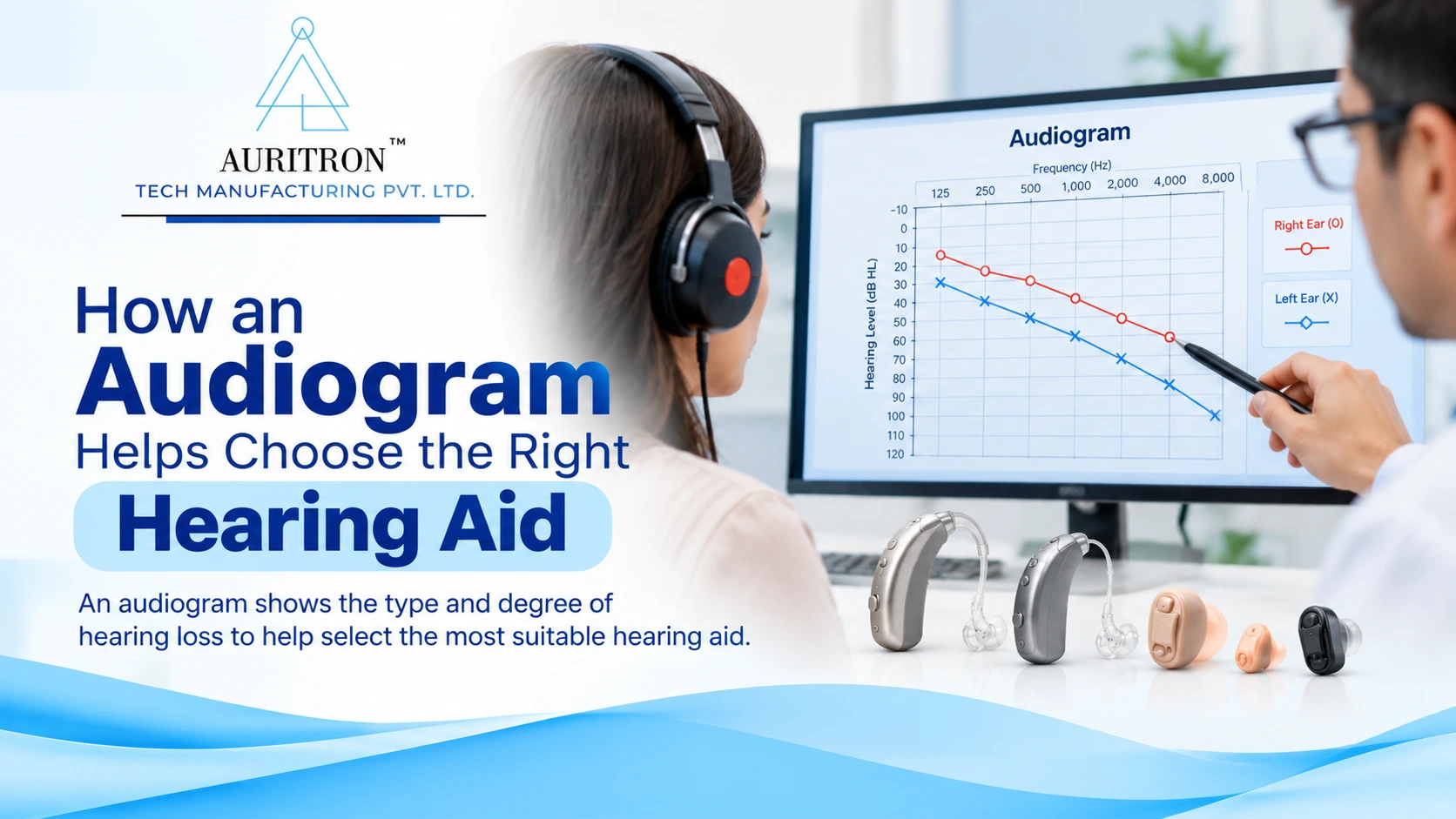
A hearing assessment typically begins with questions about your symptoms, medical history and exposure to loud noise. The clinician may examine your ears for wax buildup or other visible problems. A hearing test, such as pure-tone audiometry, measures how well you hear sounds at different pitches and volumes.
The results help determine whether hearing loss is present, which frequencies are affected and how severe the loss may be. Depending on the findings, you may be advised to seek medical treatment, undergo further evaluation or consider hearing aids. The right recommendation depends on your hearing needs, lifestyle and assessment results.
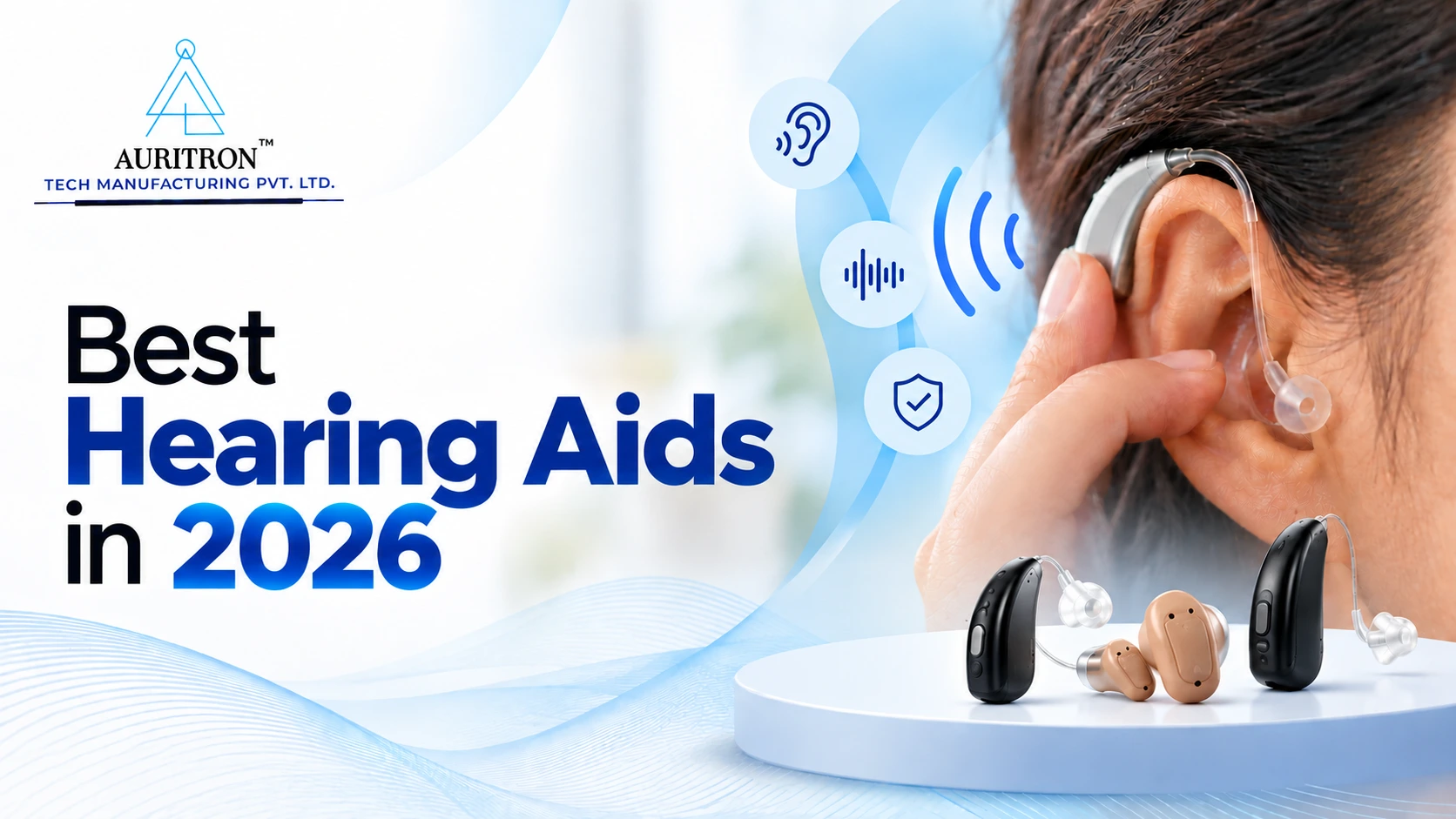
Hearing aids are electronic devices that make sounds more accessible by amplifying and processing them according to your hearing needs. They may help you follow conversations, hear television dialogue more clearly and participate more comfortably in social activities. However, they do not restore normal hearing, and results vary between individuals.
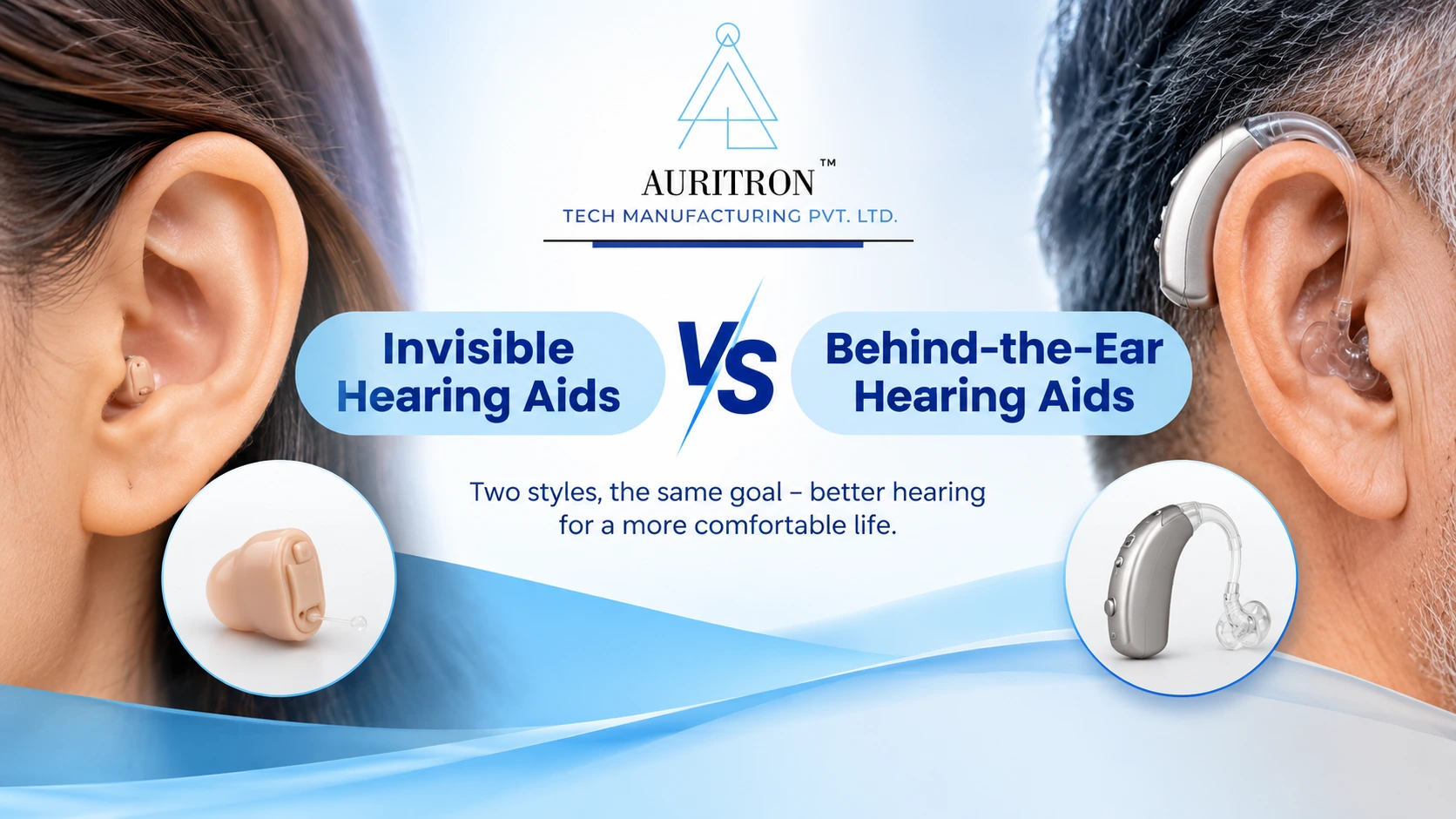
Different styles are available, including behind-the-ear, receiver-in-canal and in-the-ear devices. Features such as background-noise management, rechargeable batteries and Bluetooth connectivity may be available depending on the model. A suitable device should be selected based on your hearing assessment, comfort, daily routine and budget.
Arrange a hearing assessment if you regularly struggle to understand speech, need higher volumes or notice other persistent hearing changes. Early evaluation can help identify the cause and clarify whether hearing aids or another treatment may be appropriate.
Sudden hearing loss in one or both ears is different from gradual hearing difficulty and needs urgent medical attention. Do not wait for a routine hearing-aid appointment or assume the problem is caused by earwax. Prompt assessment may be important for treatment.
Hearing difficulties can develop gradually and affect conversations, relationships and everyday activities. Recognising these seven signs can help you decide when to arrange a hearing assessment. The right next step may involve treating an underlying condition, using hearing aids or exploring other support based on your results.
Common signs include frequently asking people to repeat themselves, struggling to hear in noisy places, increasing TV volume and finding phone conversations difficult. A hearing test is needed to assess your hearing and determine whether hearing aids may help.
Yes, depending on the cause. Earwax buildup and some infections may be treatable. If hearing loss is permanent, hearing aids or other hearing-support options may be recommended based on the assessment.
Hearing aids can make speech more audible and may improve communication, but results depend on the type and degree of hearing loss, the device and individual needs. Some people also benefit from communication strategies or hearing rehabilitation.
Hearing loss becomes more common with age, but it should not automatically be dismissed as an unavoidable part of getting older. A hearing assessment can identify the degree of hearing loss and available management options.



Ready to hear better? Visit our store or schedule hearing test with our experts. Auritron Tech is committed to helping you or your loved ones regain the joy of hearing with care and compassion.