Blog
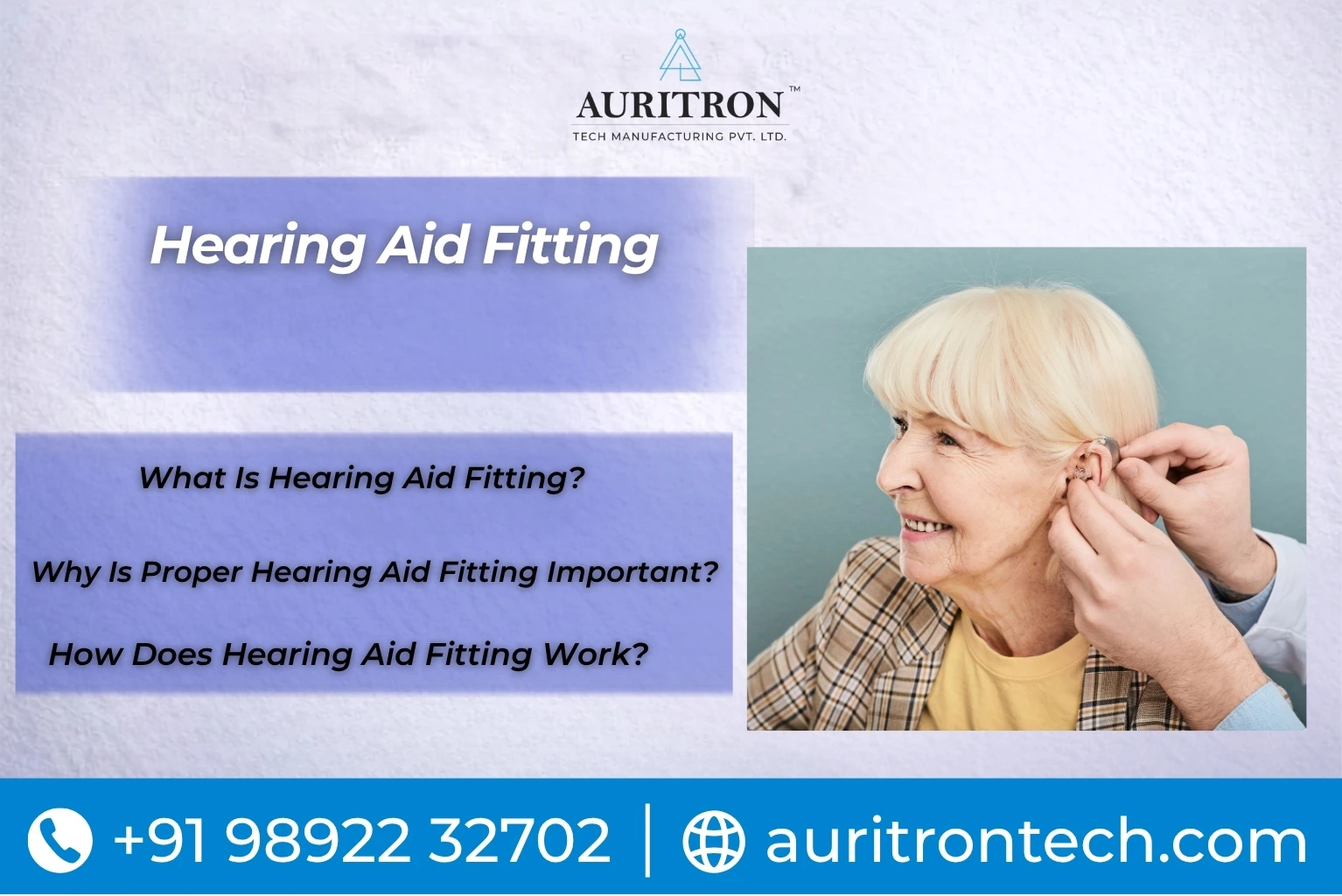
Hearing Aid Fitting
Getting a hearing aid is an important step toward hearing conversations, sounds and everyday activities more clearly. However, choosing the right device is only part of the process. The device also needs to be adjusted according to your hearing levels, lifestyle and comfort. This is where hearing aid fitting becomes important.
A properly fitted hearing aid should provide useful amplification without making everyday sounds uncomfortably loud. It should also feel comfortable when worn and work well in situations that matter to you, such as conversations at home, watching television, attending meetings or spending time in noisy places.
What Is Hearing Aid Fitting?
Hearing aid fitting is the process of programming and adjusting a hearing aid according to an individual’s hearing test results and listening needs. The settings are customized so that different sounds are amplified appropriately.
A hearing aid is not simply switched on and used at one standard setting. Two people with similar hearing loss may still need different settings because their hearing patterns, communication needs, lifestyle and comfort levels can vary.
During the fitting appointment, the hearing professional checks the device, programs its settings and makes adjustments based on how the wearer responds to different sounds.
Why Is Proper Hearing Aid Fitting Important?
A hearing aid that has not been adjusted properly may feel uncomfortable or may not provide enough benefit. Sounds could seem too loud, speech may not be clear, or background noise may become distracting.
Proper fitting helps balance amplification across different frequencies. The goal is to make speech easier to hear while keeping sounds comfortable. It can also help the wearer adapt gradually to amplified sound after spending a long time with reduced hearing.
Comfort is another important part of the process. If the hearing aid feels painful, loose or irritating, the wearer may avoid using it regularly. A suitable fit encourages consistent use, which is important for getting the most practical benefit from the device.
Get professionally fitted for a hearing aid with Auritron Tech and take the next step toward clearer, more comfortable hearing.
How Does Hearing Aid Fitting Work?
Hearing Assessment
The process generally starts with a hearing evaluation. An audiologist or hearing professional reviews the person’s hearing levels and identifies the degree and pattern of hearing loss.
The results provide the information needed to determine how much amplification may be appropriate at different frequencies.
Selecting and Placing the Hearing Aid
The hearing aid is selected according to hearing requirements, ear shape, lifestyle, cosmetic preferences and other individual factors. Depending on the device type, it may sit behind the ear, inside the ear canal or in another position.
The professional makes sure that the device is positioned correctly and comfortably. For some hearing aids, an ear mould or custom fitting may be required.
Programming the Device
The hearing aid is connected to specialized fitting software, allowing the professional to adjust amplification settings. These settings are based on the individual’s hearing test and the characteristics of the selected device.
Volume, frequency response and other features may be adjusted so that speech and environmental sounds are comfortable.
Real-Ear Measurement
Real-ear measurement may be used to check how much sound the hearing aid is actually delivering inside the ear. A small measurement tube is placed close to the eardrum while the hearing aid produces sound.
This can help the professional compare the device’s output with the desired amplification targets and make more precise adjustments.
How Long Does Hearing Aid Fitting Take?
The duration can vary depending on the type of hearing aid, the complexity of the hearing loss and whether additional adjustments are required. An initial appointment may involve hearing assessment review, device programming, physical fitting and instructions on how to use and care for the device.
Some people may need more than one appointment. Follow-up visits allow the hearing professional to make changes after the wearer has used the device in real-life situations.
What Does a Hearing Aid Feel Like After Fitting?
A new hearing aid may initially feel unusual. Your own voice might sound different, and everyday sounds such as footsteps, fans, utensils or traffic may seem more noticeable than before.
This does not necessarily mean something is wrong. The brain may need time to adjust to sounds that have not been heard clearly for some time. Wearing the device regularly can help with this adjustment.
However, persistent pain, whistling, excessive loudness or unclear speech should not simply be ignored. These may indicate that the device needs further adjustment or that its physical fit needs to be checked.
Can Hearing Aids Be Adjusted After Fitting?
Yes. Hearing aids can generally be reprogrammed when necessary. In fact, follow-up adjustments are a normal part of the process for many first-time users.
After wearing the device at home, you may notice that certain situations are easier while others remain challenging. Sharing these experiences with your hearing professional can help guide further adjustments.
For example, if speech sounds clear in quiet environments but becomes difficult to follow in restaurants, settings designed for noisy environments may need to be reviewed.
How Can You Get Used to a New Hearing Aid?
Start by wearing the hearing aid regularly in comfortable listening environments. Spend time talking with family members or watching television at a moderate volume. As you become more comfortable, gradually use the device in busier environments.
Avoid constantly changing the volume unless necessary. If sounds remain uncomfortable or speech is difficult to understand, contact your hearing professional rather than trying to tolerate the problem.
Regular use gives your brain more opportunities to adapt to amplified sounds and helps you become familiar with the device’s controls and features.
Signs That Your Hearing Aid Needs Adjustment
Sometimes a hearing aid may need fine-tuning after the initial fitting. Signs can include speech that still sounds unclear, sounds that seem excessively loud, persistent whistling, difficulty hearing in specific environments or discomfort while wearing the device.
Changes in your hearing can also affect how the device feels and performs. If you notice a significant change, schedule a hearing evaluation instead of simply increasing the volume yourself.
Hearing Aid Fitting for Different Types of Hearing Aids
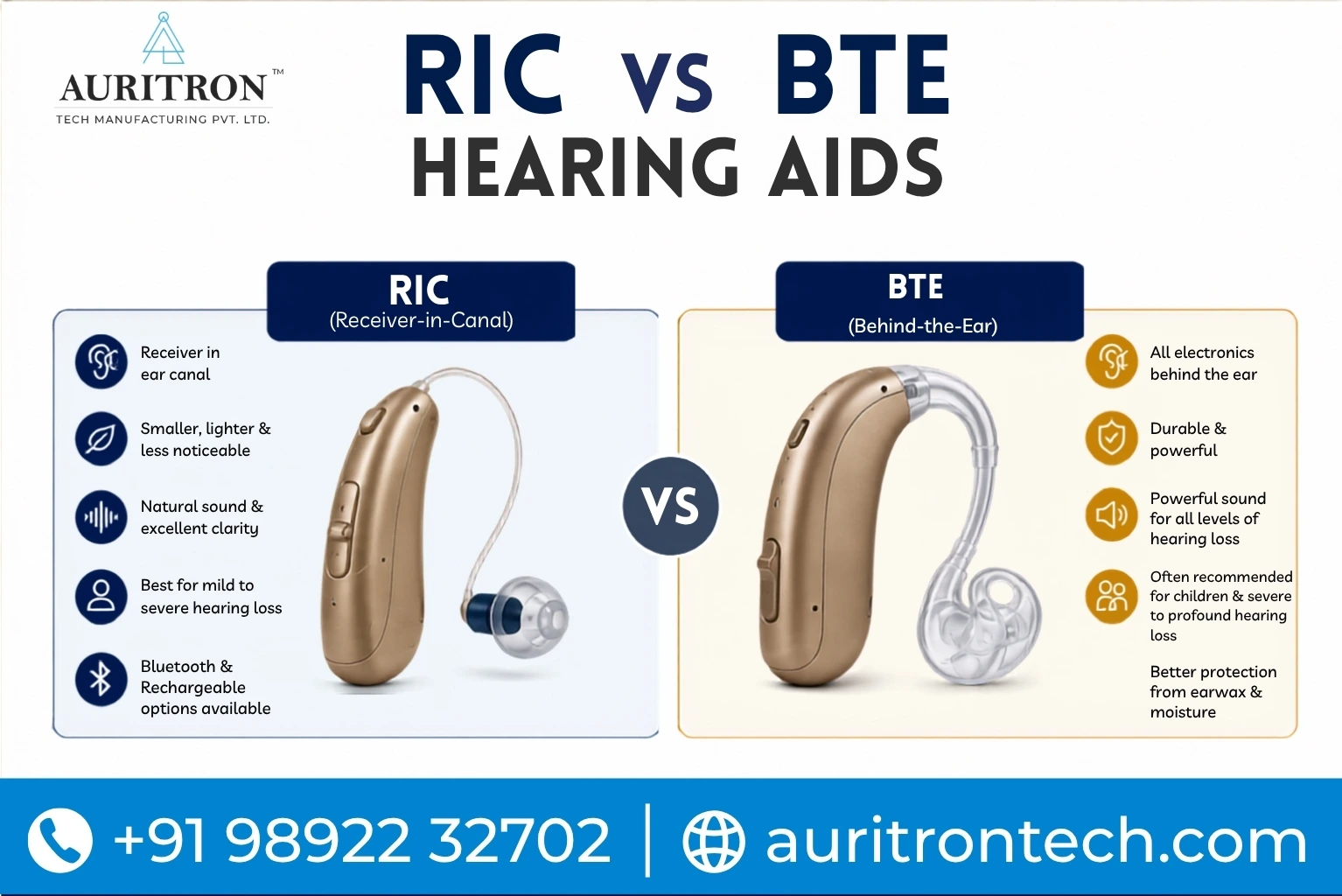
Different hearing aid styles may require different fitting approaches. Behind-the-ear hearing aids, receiver-in-canal devices and in-the-ear models differ in their physical design and how they sit on or inside the ear.
The choice of device depends on factors such as hearing loss, ear anatomy, lifestyle, dexterity, cosmetic preference and desired features. A hearing professional can help determine which design is appropriate and then customize its settings.
Why Choose Auritron Tech for Hearing Aid Fitting?
Auritron Tech focuses on hearing care and hearing aid solutions designed around individual hearing requirements. A personalized approach is important because the right hearing aid is not determined only by its brand or features; the device also needs appropriate programming, physical comfort and ongoing support.
Auritron Tech provides hearing aid solutions from established manufacturers and supports customers through the selection and fitting process. The focus on personalized hearing solutions can make it easier for users to receive a device that matches their hearing needs and everyday lifestyle.
Auritron Tech can also provide guidance on hearing aid use, adjustments and ongoing care, helping users get comfortable with their device over time.
Conclusion
Hearing aid fitting is an essential part of getting the best practical performance from a hearing device. It involves reviewing hearing test results, programming the device, checking comfort and making adjustments based on real-world listening experiences.
A new hearing aid may take some time to feel completely natural. Regular use and timely follow-up appointments can make the adjustment process easier. If speech remains unclear, sounds are uncomfortable or the device does not fit properly, professional fine-tuning can often improve the experience.
FAQs
What is hearing aid fitting?
It is the process of programming and physically adjusting a hearing aid according to a person’s hearing test results, comfort and listening requirements.
Is hearing aid fitting necessary?
Yes. Proper fitting helps ensure that the hearing aid provides appropriate amplification and remains comfortable during regular use.
How long does it take to get used to a hearing aid?
Adjustment varies from person to person. Many users need some time to become comfortable with amplified sounds, especially if they have had hearing loss for a long period.
Can a hearing aid be refitted if it feels uncomfortable?
Yes. Physical discomfort, excessive loudness, poor speech clarity or persistent whistling can often be addressed through physical or programming adjustments.
Why does my voice sound different with a new hearing aid?
Amplification can change how your own voice sounds. This is common during the initial adjustment period and may improve as you become accustomed to wearing the device.