Blog
How Can Indian Seniors Manage Age-Related Hearing Loss?
Growing older brings experience, family memories, and a lifetime of conversations. Yet for many families in India, hearing loss slowly becomes part of daily life. The television volume creeps up. Conversations during family dinners need repetition. Grandchildren’s voices sound softer than before.
If you’ve been wondering, How Can Indian Seniors Manage Age-Related Hearing Loss?, the answer lies in a mix of lifestyle adjustments, safe ear care, timely testing, and the right technology. With the right approach, seniors can continue participating fully in family gatherings, festivals, and everyday life without feeling left out.
Why Age-Related Hearing Loss Happens
Age-related hearing loss, also known as presbycusis, usually develops gradually. It affects both ears and often goes unnoticed in the beginning. Many seniors assume it’s “just old age,” but ignoring it can lead to social withdrawal and communication difficulties.
Inside the ear, tiny sensory cells in the cochlea convert sound vibrations into signals that travel to the brain. Over time, these delicate cells wear out. Unlike other tissues in the body, they do not regenerate.
Several factors common in Indian settings can accelerate this process:
- Long-term exposure to traffic and urban noise
- Diabetes and high blood pressure
- Family history of hearing loss
- Certain medications
While the damage itself cannot be reversed, early care can slow progression and improve quality of life significantly.
Early Signs Families Often Notice
Hearing changes rarely happen overnight. Instead, small signs appear gradually:
- Frequently asking others to repeat themselves
- Difficulty following conversations in noisy places
- Complaints that people are “mumbling”
- Increasing TV or phone volume
- Avoiding social gatherings
When these patterns appear, it’s wise not to dismiss them. Addressing hearing concerns early prevents emotional isolation and reduces cognitive strain.
Practical Home Adjustments That Make a Big Difference
Many families ask, How Can Indian Seniors Manage Age-Related Hearing Loss? without immediately turning to medical devices. The first step is often improving the home environment.
Reduce Background Noise
Indian homes are lively spaces. Ceiling fans, pressure cookers, street traffic, and television noise can compete with speech. During conversations:
- Switch off unnecessary appliances
- Close windows facing busy roads
- Lower TV volume before talking
Even small noise reductions improve clarity.
Improve Lighting
Hearing isn’t only about ears. Visual cues like lip movements and facial expressions help the brain interpret speech. Good lighting ensures seniors can see clearly during conversations.
Add Soft Furnishings
Hard surfaces reflect sound, creating echo. Rugs, curtains, cushions, and upholstered furniture absorb excess noise, making speech easier to follow.
Communication Habits That Help Seniors
How family members speak matters more than how loudly they speak.
- Speak clearly at a moderate pace
- Avoid shouting, which distorts words
- Maintain face-to-face contact
- Rephrase sentences instead of repeating the same words
For example, if “The courier has arrived” isn’t heard clearly, try “A delivery person is at the door.” Different words may be easier to catch.
Simple changes in communication style can restore confidence in daily interactions.
Safe Ear Care for Indian Seniors
Ear hygiene plays a major role in hearing health.
Avoid Cotton Buds
Using cotton buds often pushes wax deeper into the ear canal. Impacted wax can temporarily reduce hearing and mimic more serious problems. Professional cleaning is always safer.
Keep Ears Dry
During monsoon seasons, fungal ear infections are common. After bathing, gently dry the outer ear with a soft towel. Avoid inserting objects inside.
Manage Chronic Conditions
Conditions like diabetes affect blood circulation and nerve health, including those connected to hearing. Proper sugar control, regular medication, and routine health checkups help protect auditory function over time.
Avoid Home Remedies
Mustard oil, herbal oils, or unprescribed drops can worsen infections or damage the eardrum. If pain, discharge, or sudden hearing loss occurs, consult a qualified professional promptly.
The Role of Nutrition in Hearing Support
Diet cannot reverse hearing damage, but certain nutrients support inner ear health.
- Potassium: Maintains inner ear fluid balance (bananas, spinach, potatoes)
- Magnesium: Helps protect against noise-related damage (cashews, pumpkin seeds)
- Zinc: Supports immune response (lentils, chickpeas, almonds)
- Folic Acid: Encourages healthy circulation (green leafy vegetables, eggs)
Balanced Indian meals rich in vegetables, pulses, nuts, and fruits naturally provide many of these nutrients.
When a Professional Hearing Test Becomes Necessary
Home strategies help, but they cannot replace proper diagnosis. If conversations feel increasingly difficult or social withdrawal begins, scheduling a hearing test is the responsible next step.
A professional assessment determines:
- Type of hearing loss
- Severity level
- Suitable treatment options
Early testing prevents complications such as cognitive strain and reduced speech processing ability.
Modern Hearing Aids Have Changed Dramatically
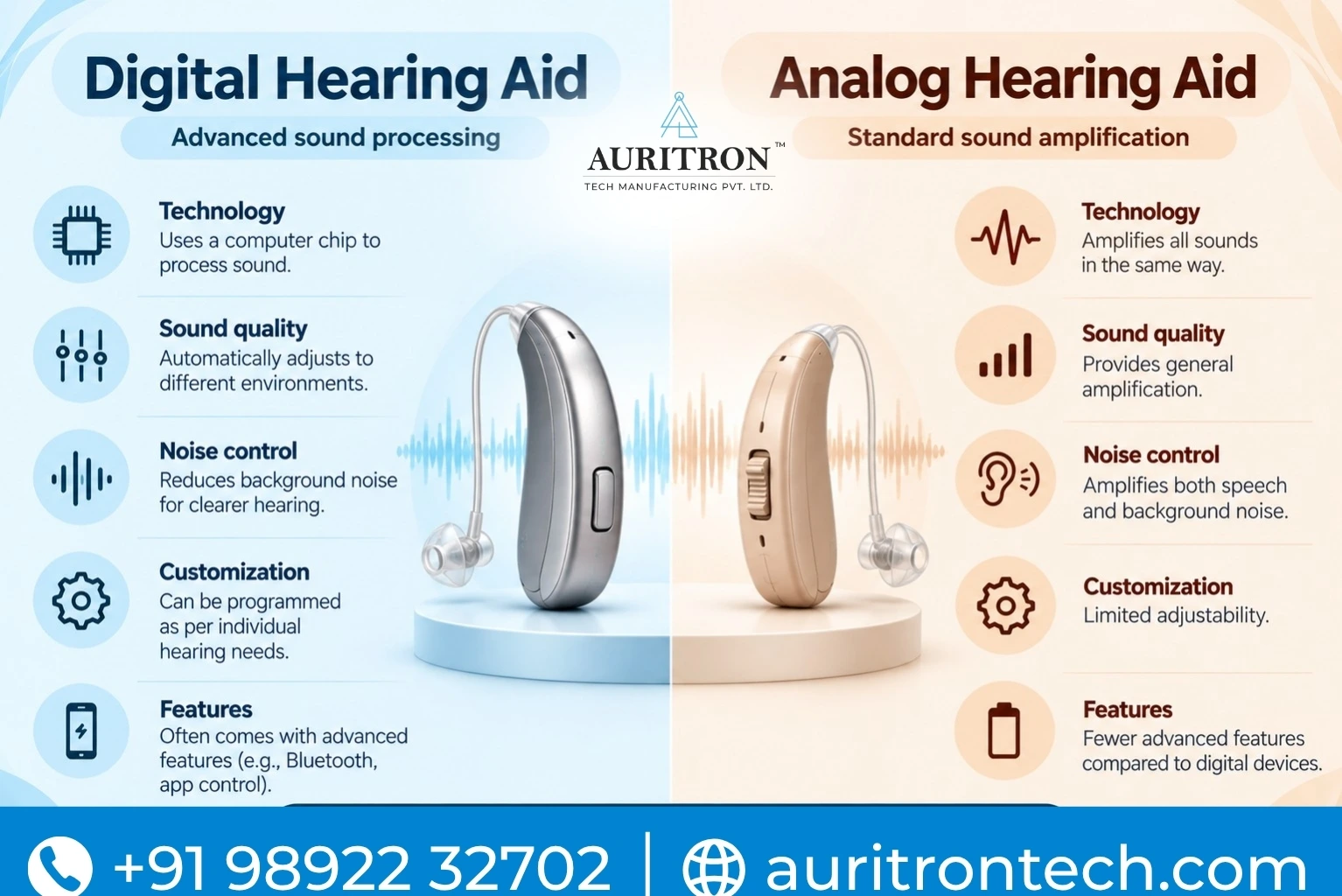
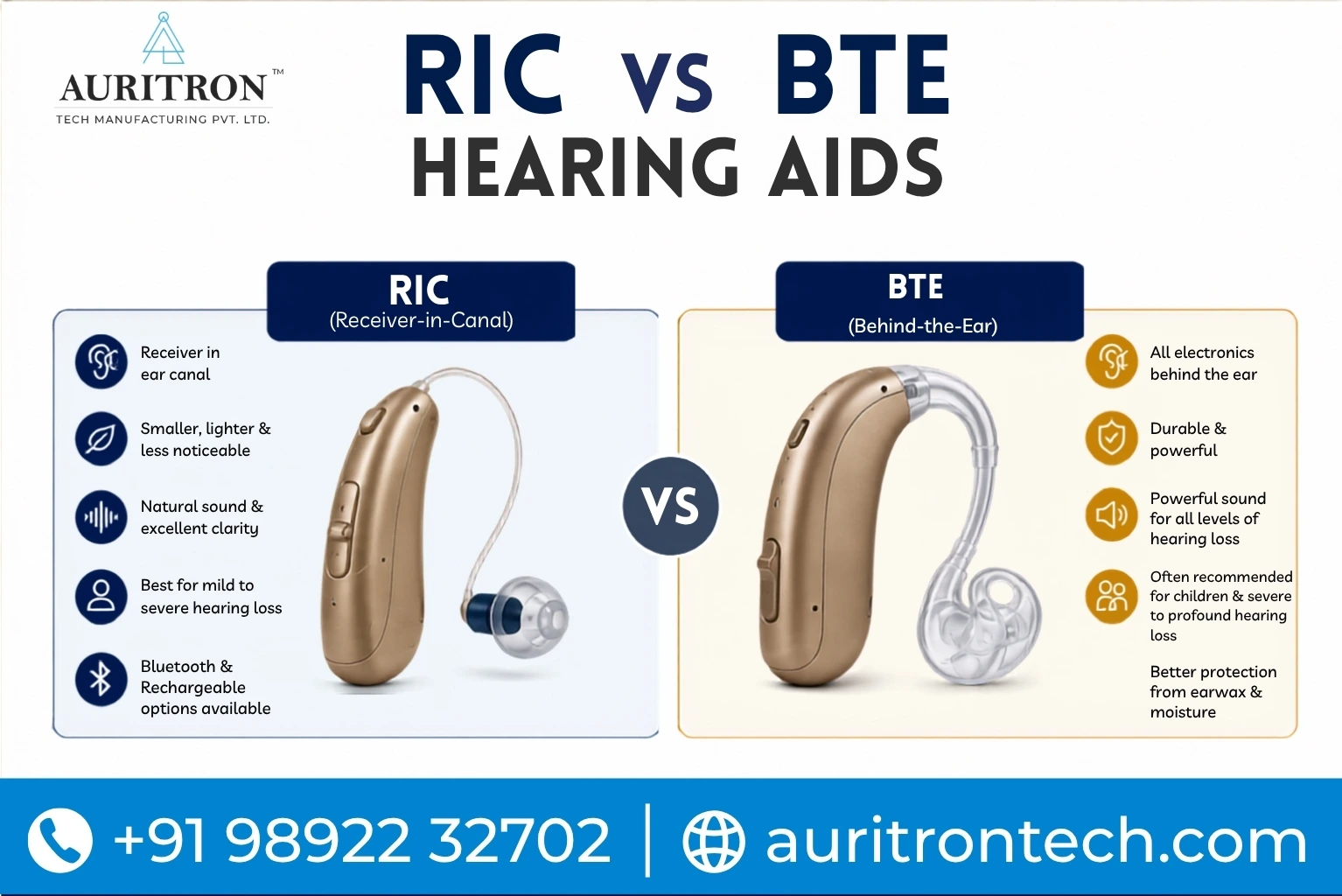
Many seniors hesitate because they imagine bulky, uncomfortable devices. Today’s hearing aids are smaller, discreet, and technologically advanced.
Modern features may include:
- Rechargeable batteries
- Bluetooth connectivity for phone and TV
- Noise reduction systems
- Custom fittings for comfort
When properly fitted and adjusted, hearing aids do not weaken hearing. In fact, they keep the brain actively engaged with sound, reducing auditory deprivation.
Emotional and Social Impact of Untreated Hearing Loss
Hearing loss affects more than ears. It can influence mood, memory, and relationships.
Seniors who struggle to follow conversations may begin to withdraw. Over time, this isolation increases the risk of depression and cognitive decline.
Families play an essential role. Encouragement, patience, and supportive communication help seniors regain confidence.
So when families ask, How Can Indian Seniors Manage Age-Related Hearing Loss?, the answer is not just technical. It involves emotional care, awareness, and timely action.
How Auritron Hearing Solutions Supports Seniors
At Auritron Hearing Solutions, senior hearing care is approached with compassion and precision. Every individual has unique listening needs. Some want clarity during temple prayers, others during family weddings or daily conversations.
Services typically include:
- Comprehensive hearing evaluations
- Personalized hearing aid recommendations
- Device fitting and fine-tuning
- Ongoing aftercare and support
The goal is not simply to amplify sound, but to restore connection — to voices, laughter, and everyday moments.
Taking the First Step
Hearing loss does not have to create distance between loved ones. With the right environment, healthy habits, professional testing, and suitable technology, seniors can remain active and socially engaged.
If you’ve been reflecting on How Can Indian Seniors Manage Age-Related Hearing Loss?, start small. Adjust the home setting. Encourage open conversations. Schedule a hearing check when needed.
Clear hearing brings back clarity in life.
FAQs
1. Is age-related hearing loss permanent?
Most age-related hearing loss is sensorineural and permanent, but it can be effectively managed with hearing aids and supportive strategies.
2. Can earwax cause temporary hearing problems?
Yes. Impacted wax can block sound. Professional cleaning safely restores hearing clarity.
3. How often should seniors get their hearing tested?
Adults above 60 should ideally have a baseline test and annual follow-ups.
4. Do hearing aids require complicated maintenance?
No. Most devices require simple cleaning and proper storage. Audiologists provide guidance.
5. Does wearing a hearing aid weaken natural hearing?
No. Hearing aids stimulate the brain’s auditory pathways and support speech processing.