
Ear Aid Machine Price
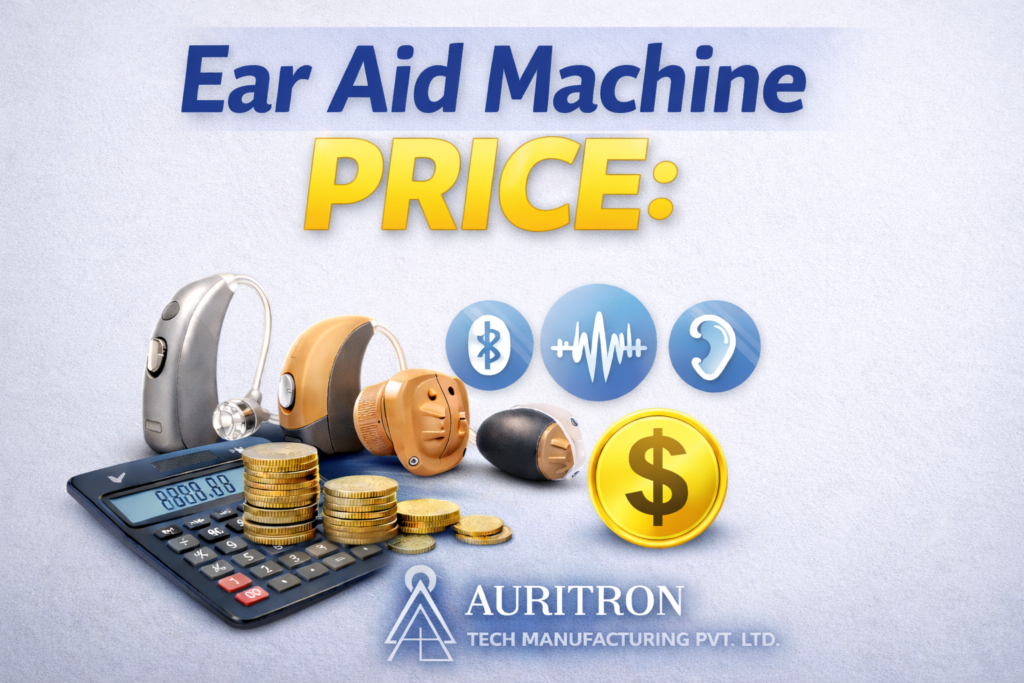
Blog Book An Appointment Ear Aid Machine Price: A Simple Guide to Making the Right Choice When it comes to improving hearing, choosing the right device is important—but so is understanding the cost. For many people, the first concern is how much a hearing aid will cost and whether it’s worth the investment. Knowing about ear aid machine price can help you make a more confident decision. It’s not just about the cost—it’s about finding a device that matches your hearing needs, comfort, and lifestyle. At Auritron Tech Manufacturing Pvt. Ltd., the focus is on offering hearing solutions that are both effective and dependable. What Is an Ear Aid Machine? An ear aid machine, or hearing aid, is designed to help you hear sounds more clearly. It works by picking up sounds from your surroundings, processing them, and delivering them into your ear at a level you can hear comfortably. Today’s hearing aids are more advanced than ever. They are designed to be comfortable, easy to use, and suitable for different levels of hearing loss, making everyday communication smoother and less stressful. Ear Aid Machine Price The price of an ear aid machine can vary quite a bit, depending on several factors. There isn’t a one-size-fits-all cost, as different devices are built with different features and levels of technology. Type of Hearing Aid The style of hearing aid plays a big role in pricing. Larger devices like BTE models are often more affordable, while smaller, more discreet options with advanced features may cost more. Technology and Features Devices with features like background noise reduction, Bluetooth connectivity, and automatic sound adjustment are usually priced higher than basic models. Level of Hearing Loss The degree of hearing loss also matters. Devices designed for more severe hearing loss may require stronger and more advanced technology, which can increase the price. Custom Fit and Comfort Some hearing aids are custom-made to fit your ear perfectly. These personalized options can cost more but often provide better comfort and performance. Support and Services The overall cost may also include services such as fitting, adjustments, warranty, and maintenance, which add long-term value to the device. Types of Ear Aid Machines There are different types of hearing aids available, including behind-the-ear (BTE), in-the-ear (ITE), and completely-in-canal (CIC) models. Each type offers its own balance of comfort, visibility, and performance. Choosing the right one depends on your hearing condition, daily routine, and personal preference. A professional evaluation can help you find the most suitable option. How to Choose the Right Ear Aid Machine? Selecting a hearing aid is not just about price—it’s about what works best for you. It’s important to consider how severe your hearing loss is, where you spend most of your time, and what level of comfort you prefer. Trying different models, understanding their features, and getting expert advice can make the decision easier. The right choice can improve not just your hearing, but your overall quality of life. Why Choose Auritron Tech Manufacturing Pvt. Ltd.? At Auritron Tech Manufacturing Pvt. Ltd., the goal is to provide hearing solutions that are reliable, comfortable, and built with precision. Each product is designed to meet different hearing needs while maintaining quality and performance. We focus on creating devices that are easy to use and effective in everyday situations. With a commitment to innovation and customer satisfaction, we aim to support better hearing for everyone. Conclusion Ear aid machine price can vary based on features, design, and individual requirements. Understanding what affects the cost helps you make a more informed and practical choice. At Auritron Tech Manufacturing Pvt. Ltd., we are committed to providing hearing solutions that combine quality, comfort, and value—helping you hear clearly and live confidently. FAQs What is the average ear aid machine price? The price can vary depending on the type and features of the device. A proper hearing evaluation helps determine the best option for your needs. Are more expensive hearing aids always better? Not necessarily. The best hearing aid is one that suits your hearing condition and lifestyle, not just the price. Do hearing aids have ongoing costs? Yes, there may be additional costs for maintenance, batteries, and occasional servicing. Can I choose a hearing aid within my budget? Yes, there are options available across different price ranges. It’s important to balance affordability with performance. How long does an ear aid machine last? With proper care and maintenance, most hearing aids can last for several years. The price can vary depending on the type and features of the device. A proper hearing evaluation helps determine the best option for your needs. Not necessarily. The best hearing aid is one that suits your hearing condition and lifestyle, not just the price. Yes, there may be additional costs for maintenance, batteries, and occasional servicing. Yes, there are options available across different price ranges. It’s important to balance affordability with performance. With proper care and maintenance, most hearing aids can last for several years. Find the Best Hearing Aid Deals — Start Exploring Now Book An Appointment
BTE Hearing Aid
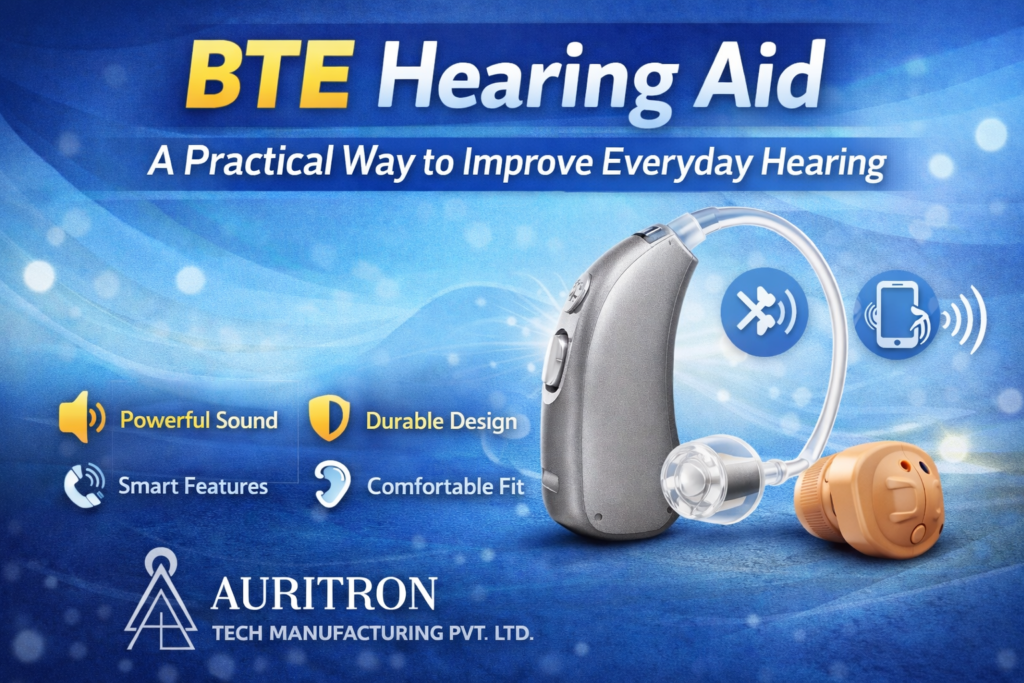
Blog Book An Appointment BTE Hearing Aid: A Practical Way to Improve Everyday Hearing Hearing loss rarely happens all at once; it often starts with small frustrations, like asking someone to repeat themselves or struggling to follow a conversation in a busy restaurant. Over time, these moments can make you feel disconnected from the world around you. Fortunately, modern audiology has turned these challenges into manageable hurdles. One of the most time-tested and versatile solutions available today is the BTE (Behind-The-Ear) hearing aid. A BTE hearing aid is widely respected for its reliability and its ability to adapt to almost any level of hearing loss. At Auritron Tech Manufacturing Pvt. Ltd., we focus on engineering these devices to be more than just amplifiers—we design them to be seamless extensions of your daily life. By combining durability with sophisticated sound processing, we ensure that regaining your hearing feels natural and effortless. What Is a BTE Hearing Aid? In the world of hearing technology, the BTE model is a classic for a reason. As the name suggests, the main body of the device sits tucked neatly behind the outer ear. This sturdy housing contains all the essential electronics and is connected to a custom ear mold or a discrete tip that rests inside the ear canal. This physical separation allows the device to house larger, more powerful components than its smaller “in-the-canal” counterparts. Because of this design, BTE devices are incredibly versatile. They aren’t just for one specific type of user; they are effective for everyone from children with mild hearing loss to seniors dealing with more profound auditory challenges. By providing a stable fit and powerful output, the BTE style remains a dependable anchor in the hearing aid industry. How Does a BTE Hearing Aid Work? The magic behind a BTE hearing aid lies in a very sophisticated three-step process. First, a tiny, high-sensitivity microphone picks up the acoustic waves from your environment. That sound is then converted into a digital signal and sent to an internal processor. This “brain” of the device is what makes the difference—it filters out annoying background hums, sharpens the frequency of human speech, and boosts the volume to a level specifically tuned to your needs. Once the sound is optimized, it travels through a thin, transparent tube or wire directly into the ear canal. Modern BTE devices from Auritron Tech are smart enough to recognize where you are; they can automatically shift settings when you move from a quiet living room to a windy street. This ensures that the sound you hear isn’t just louder, but significantly clearer and more realistic. Key Features of BTE Hearing Aid What sets a BTE device apart isn’t just that it helps you hear; it’s the array of thoughtful features designed to make ownership easy. These devices are built to balance high-end performance with the practical realities of daily wear. Comfortable and User-Friendly Design Modern BTE aids are contoured to match the natural shape of the human ear, making them remarkably secure. Whether you are active or wearing glasses, the device stays in place without causing irritation. Because the controls are located on the back of the device, they are also much easier to adjust for people who might struggle with the tiny buttons on smaller, internal models. Suitable for Various Hearing Needs One of the greatest strengths of the BTE style is its “one-size-fits-most” capability in terms of power. Because the housing is slightly larger, it can accommodate the high-gain amplifiers needed for severe hearing loss, yet it can also be tuned down for someone who only needs a gentle boost. This flexibility makes it a “future-proof” choice if a user’s hearing needs change over time. Powerful and Clear Sound Output BTE aids are the powerhouses of the hearing world. They are capable of producing a higher “gain” or volume than almost any other style. This extra power allows the device to overcome significant hearing barriers while maintaining a high level of sound fidelity, ensuring that music sounds rich and voices sound distinct rather than “tinny” or distorted. Durable and Long-Lasting Because the sensitive electronics are housed in a shell behind the ear, they are less exposed to earwax and moisture from the ear canal, which are the leading causes of hearing aid failure. This design, combined with larger batteries that hold a longer charge, makes BTE aids some of the most durable and low-maintenance options on the market today. Smart Technology Features Auritron Tech integrates modern connectivity into our BTE line. This includes advanced feedback cancellation—which stops that annoying whistling sound before it starts—and Bluetooth compatibility. Many of our models can sync directly with your smartphone or television, allowing you to stream audio directly into your ears for a personalized listening experience. Benefits of Using a BTE Hearing Aid Choosing a BTE hearing aid is about more than just numbers on a decibel chart; it’s about the quality of your social interactions. These devices provide a consistent, high-quality sound that allows you to engage in group conversations without the exhaustion of “listening fatigue.” Because they are easy to clean and handle, they fit into your routine without becoming a burden. Furthermore, the battery life on BTE models is typically superior to smaller styles. This means fewer mid-day battery changes and more reliability when you’re out and about. For users who prioritize a balance of power, ease of use, and long-term value, the BTE model is often the most practical choice. Who Can Benefit from a BTE Hearing Aid? BTE devices are truly universal. They are the preferred choice for pediatric patients because the ear molds can be easily replaced as a child grows without needing a whole new device. They are also ideal for older adults who may have dexterity issues, as the larger size makes them easier to hold, clean, and adjust. Whether your hearing loss is the result of age, noise exposure, or a medical condition, a BTE aid offers the range of power
Hearing Machine Price – What Affects the Cost of Hearing Aids?
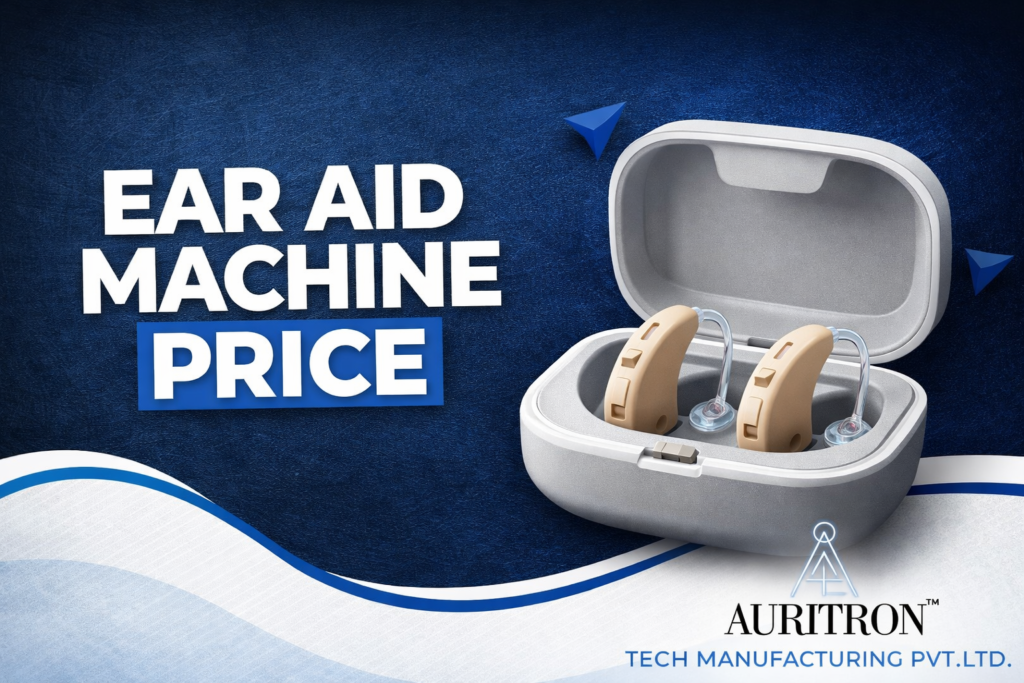
Blog Book An Appointment Hearing Machine Price: What Affects the Cost of Hearing Aids? When someone finds out they have hearing loss, one of the first questions that usually comes to mind is about the price of a hearing aid. Hearing devices can differ quite a lot in cost, and that can sometimes make things confusing for people who are trying to figure out what they actually need. The price of a hearing machine isn’t based on just one thing. It can vary depending on the type of device, the technology inside it, the features it offers, and even the level of hearing loss a person has. Some hearing aids are simple devices that mainly make sounds louder, while others come with advanced features like noise reduction, Bluetooth connectivity, or rechargeable batteries. Because every person’s hearing needs are different, choosing the right hearing device is usually about more than just looking at the price tag. Understanding what affects hearing machine price can help people make a more informed and comfortable decision when considering hearing support. What Is a Hearing Machine? A hearing machine, often called a hearing aid, is a small electronic device designed to help people hear sounds more clearly. It works by picking up sound from the surrounding environment, increasing its volume, and sending that amplified sound into the ear. Today’s hearing machines are designed to be small, lightweight, and comfortable to wear. Depending on the type, they may sit behind the ear or fit inside the ear canal. Hearing machines are commonly recommended for people with mild to moderate hearing loss, though some modern devices can also assist individuals with more significant hearing difficulties. What Factors Affect Hearing Machine Price? Level of Technology Hearing machines are available in different technology levels. Basic models mainly amplify sound, while more advanced ones can automatically adjust to different listening environments. Device Features and Connectivity Some hearing machines include additional features such as Bluetooth connectivity, smartphone compatibility, rechargeable batteries, and improved noise filtering. These extra features can influence the overall cost. Type and Design of the Hearing Aid The physical design of the hearing machine also plays a role in pricing. Smaller, more discreet devices that sit deeper inside the ear often involve more complex engineering and may cost more than larger models. Types of Hearing Machines Available Behind-The-Ear (BTE) Hearing Aids These hearing aids sit behind the ear and connect to the ear canal through a small tube or mold. They are widely used and suitable for different levels of hearing loss. In-The-Ear (ITE) Hearing Aids In-the-ear devices are custom-made to fit the outer part of the ear. They are slightly larger than canal devices but are usually easy to handle and adjust. Completely-In-The-Canal (CIC) Devices These hearing machines are smaller and fit deeper inside the ear canal, making them less visible when worn. Why Professional Hearing Evaluation Matters Choosing a hearing machine based only on price might not always give the best results. A proper hearing evaluation helps identify the exact type and level of hearing loss. Once this information is available, hearing specialists can recommend devices that suit the individual’s hearing needs, lifestyle, and comfort preferences. This approach helps ensure that the hearing solution is both effective and practical for everyday use. Why Choose Auritron Tech Manufacturing Pvt Ltd? Auritron Tech Manufacturing Pvt Ltd focuses on developing hearing technologies that aim to improve listening comfort and sound clarity. Through research-driven innovation and precision manufacturing, the company works to create hearing solutions that support better hearing experiences in everyday life. With a strong focus on quality and technology, Auritron contributes to advancing hearing care and increasing awareness about hearing health. Conclusion Hearing machine prices can vary depending on factors such as technology, design, and additional features. While cost is an important consideration, it should be looked at alongside comfort, hearing needs, and long-term usability. Getting a proper hearing evaluation and professional advice can make it much easier to choose the right hearing device. When people understand what affects hearing machine price, the process of selecting a hearing solution becomes clearer and more manageable. FAQs 1. Why do hearing machine prices vary so much? Prices can differ because hearing aids come with different levels of technology, features, and designs. 2. Are expensive hearing machines always better? Not necessarily. The best hearing machine is the one that fits the person’s hearing condition and lifestyle. 3. How long do hearing machines usually last? With proper care and maintenance, most hearing machines can last several years. 4. Can hearing machines improve everyday conversations? Yes. Hearing aids are designed to amplify speech and surrounding sounds, which can make conversations easier to follow. 5. Should someone get a hearing test before buying a hearing machine? Yes. A hearing test helps determine the level of hearing loss and allows specialists to recommend the most suitable device. Prices can differ because hearing aids come with different levels of technology, features, and designs. Not necessarily. The best hearing machine is the one that fits the person’s hearing condition and lifestyle. With proper care and maintenance, most hearing machines can last several years. Yes. Hearing aids are designed to amplify speech and surrounding sounds, which can make conversations easier to follow. Yes. A hearing test helps determine the level of hearing loss and allows specialists to recommend the most suitable device. Stop Ignoring the Signs of Hearing Loss Book An Appointment
Hearing Loss in Adults Under 40: Causes & Prevention
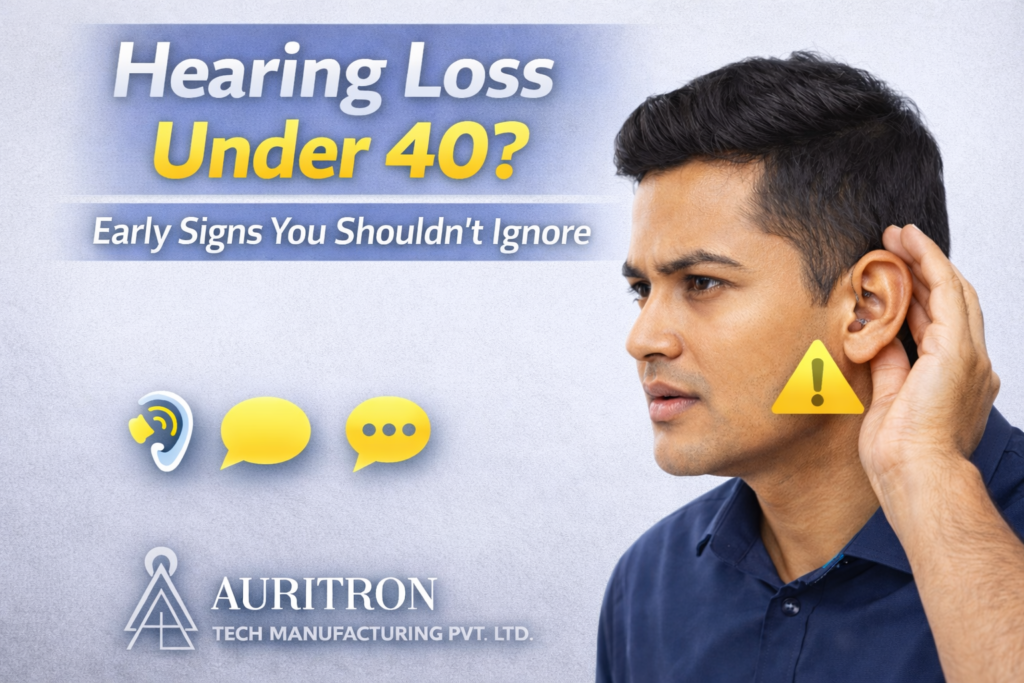
Blog Book An Appointment Hearing Loss in Adults Under 40: Causes & Prevention For the longest time, hearing loss was just… an old person thing. That was the assumption. You get to a certain age, your hearing goes, thats just how it works. But that idea? It’s slowly changing, and honestly, it’s changing faster than most people realise. More and more adults under 40 are starting to notice things. Conversations that feel harder to follow than they used to. A strange ringing in the ears after a night out. Sounds that seem too sharp or too muffled. And a lot of the time, people brush it off because they’re young, and hearing loss isn’t supposed to be their problem yet. But a lot of everyday habits are quietly contributing to this. Hours of headphones, constant city noise, working around loud machinery, or certain health conditions, all of it can affect hearing earlier than most people would ever expect. The tricky thing is, hearing changes usually happen so gradually that by the time someone actually notices something’s off, it’s already been building up for a while. Knowing the early signs and understanding what causes hearing loss in younger adults is genuinely worth paying attention to, because catching it early actually makes a difference. What Is Hearing Loss? At its most basic, hearing loss just means a reduced ability to hear sounds clearly. It can affect one ear or both, and it can range from mild difficulty hearing soft sounds to more noticeable challenges with everyday hearing. Inside the ear, there are very delicate structures that help process sound. When these structures are damaged or no longer function properly, the brain receives fewer sound signals, which makes hearing less clear. It’s not always about volume. Sometimes it’s about clarity, sharpness, the ability to separate one voice from background noise. While hearing loss has always been strongly associated with ageing, lifestyle habits and environmental noise are now contributing to hearing problems even in people in their 20s and 30s. It’s not rare anymore, it’s just underreported. Common Causes of Hearing Loss in Adults Under 40 There usually isn’t one single dramatic cause. Most of the time its a combination of habits and exposures that pile up quietly over the years. Here are the most common ones: Prolonged Use of Headphones at High Volume This one probably affects more people than any other cause in this age group. A lot of people spend hours every day listening to music, podcasts, or videos through headphones or earbuds, commuting, working, working out, and falling asleep. When the volume is too high for long periods, it slowly damages the sensitive cells inside the inner ear. And those cells don’t regenerate. The damage that builds up over years of high-volume listening doesn’t reverse when you finally turn it down. direct them through the ear canal, basically funnelling sound inward so the rest of the system can do its thing. Exposure to Loud Environments Concerts, nightclubs, busy traffic areas, and workplaces with heavy machinery, frequent exposure to these kinds of environments can gradually wear down hearing over time. And the thing is, the sound doesn’t even have to feel uncomfortable for it to be doing damage. Repeated exposure is what matters, even when the volume seems manageable in the moment. Ear Infections or Medical Conditions Certain infections or untreated ear conditions can interfere with hearing ability, sometimes more significantly than people realise. In some cases, underlying medical issues can also affect how the ear processes sound, even in otherwise healthy younger adults. Signs of Hearing Problems in Younger Adults Because hearing changes are gradual, the early signs are easy to dismiss. But these are the things worth actually paying attention to: Difficulty Following Conversations Some people start noticing they have trouble understanding conversations, especially in crowded places or when several people are talking at the same time. It starts feeling like everyone is mumbling. Or like you’re catching every other word but missing the thread. A lot of younger people mistake this for distraction or tiredness. But if its happening consistently, its worth paying attention to. Ringing or Buzzing in the Ears A continuous ringing, buzzing, or humming sound in the ears, often called tinnitus, can show up after exposure to loud sounds. Some people experience it occasionally after a loud concert. Others start noticing it more regularly, even in quiet environments. If it’s happening often, that’s not something to just push through and ignore. Increasing Volume on Devices This one seems small, but it’s actually a pretty telling sign. If someone is regularly turning up the volume on their phone, TV, or headphones more than they used to, and the people around them keep pointing it out, it could be an early signal that hearing clarity has quietly changed. How Hearing Loss Can Be Prevented The good news is that a lot of noise-related hearing damage is preventable, or at least significantly reducible, with some fairly straightforward habits: Maintain Safe Listening Habits Keeping volume at moderate levels and avoiding long stretches of loud audio exposure can reduce the strain on your ears considerably. A simple rule of thumb many hearing specialists suggest, if someone next to you can hear what’s coming through your headphones, it’s probably too loud. Protect Ears in Noisy Environments Using ear protection in very loud environments, such as concerts, construction sites, and industrial workplaces, can genuinely help prevent long-term damage. It might not feel like a big deal in the moment, but those repeated exposures accumulate over the years. Regular Hearing Checkups Occasional hearing evaluations can help spot small changes early before they develop into something more significant. Most people don’t think about getting a hearing test until something already feels obviously wrong, but getting checked proactively is just a smarter approach. Why Choose Auritron Tech Manufacturing Pvt Ltd? Auritron Tech Manufacturing Pvt Ltd focuses on developing advanced hearing technology designed to support better hearing care and awareness. Through continuous research and precision
How Noise Pollution Affects Your Hearing: The Long-Term Risks
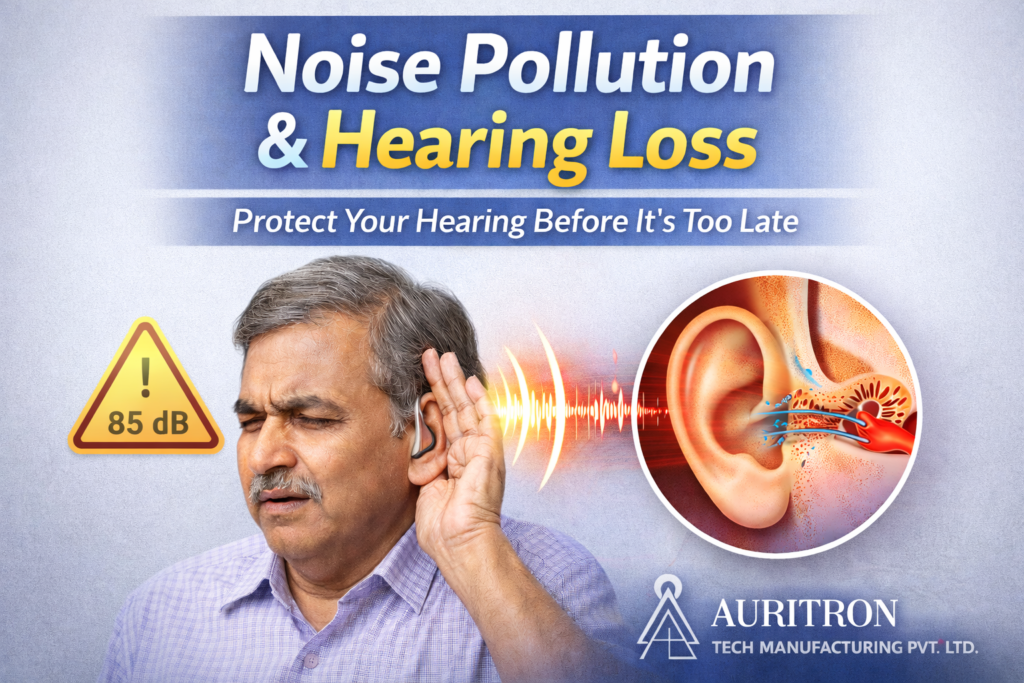
Blog Book An Appointment How Noise Pollution Affects Your Hearing: The Long-Term Risks Most of us think of noise as just something annoying, like traffic outside the window, loud music from a nearby event, construction going on down the road, or just that constant low-level buzz that comes with living in a city. You tune it out. You get used to it. No big deal, right? Well, not quite. Noise isn’t only irritating. When it gets too loud or happens too often, it can quietly start affecting your hearing and the really tricky part is, most people don’t feel it happening. Our ears are honestly pretty delicate. They’re designed to handle sound within certain safe levels, and when we’re exposed to loud noise again and again, the tiny structures inside the ear can start getting damaged. It doesn’t happen all at once; it builds slowly. And a lot of people don’t notice anything until hearing problems have already set in. In today’s world, noise pollution is becoming more and more common. Busy roads, crowded cities, workplaces with heavy machinery, and even everyday habits like listening to music through headphones at full volume, all of it contributes to long-term sound exposure that adds up over the years. Understanding how noise pollution affects hearing can help people become more aware of the risks and take small steps that actually protect their ears in the long run. What Is Noise Pollution? Noise pollution basically refers to unwanted or excessive sound that interferes with normal life. It could come from traffic, construction work, industrial equipment, loud events, or just the constant background hum of a busy environment. Sound is measured in units called decibels (dB). When sound levels climb above certain limits, and people are exposed to them for long periods, it can begin to take a toll on hearing health. Sometimes the damage comes from a single, sudden, very loud sound, like an explosion or certain heavy machinery. Other times it builds gradually, someone exposed to moderate noise levels for hours every single day, year after year. How The Ear Processes Sound The human ear is genuinely a remarkable system. It takes sound waves from the outside world and converts them into signals the brain can actually understand, and it does all of this in milliseconds without you thinking about it at all. Outer Ear And Sound Collection The outer ear’s job is to collect sound waves from the environment and direct them through the ear canal, basically funnelling sound inward so the rest of the system can do its thing. Middle Ear And Vibration Transmission Inside the middle ear are some very small bones, some of the smallest in the entire human body, that vibrate when sound waves reach them. These vibrations help carry sound deeper into the ear. Inner Ear And Nerve Signals In the inner ear, tiny hair-like cells convert sound vibrations into electrical signals. Those signals travel through the auditory nerve up to the brain, where they’re interpreted as the sounds you actually hear. And here’s the critical bit: these hair cells are extremely delicate. Once they’re damaged by loud noise, they cannot grow back. That’s what makes noise-related hearing damage permanent. There’s no repair mechanism, no regeneration. Once they’re gone, that’s it. Long-Term Effects Of Noise Pollution On Hearing When someone is exposed to loud noise for long periods, several hearing-related problems can slowly develop. Most people don’t see them coming, which is exactly what makes them so worth knowing about. Gradual Hearing Loss This is one of the most common effects of long-term noise exposure. The inner ear hair cells slowly get damaged, making it harder and harder to hear certain sounds clearly. Because it happens so gradually, people often just adapt, until one day conversations start becoming genuinely difficult to follow. Tinnitus Or Ringing In The Ears Some people begin to notice ringing, buzzing, or humming sounds in their ears,, even when there’s no external sound causing it. This is called tinnitus, and it can be directly linked to noise exposure. For some people it comes and goes; for others, it becomes a constant presence that’s genuinely hard to live with. Difficulty Understanding Speech People who experience noise-related hearing damage often find it harder to follow conversations, especially in noisy or crowded environments. Words start sounding muddy or unclear, even when the volume isn’t really the issue. Common Sources Of Harmful Noise Exposure A lot of everyday situations expose people to harmful noise levels without them ever really thinking about it. Here are some of the most common ones: Urban Traffic And City Noise Busy roads, car horns, construction work, and just the constant activity of city life can create really high background noise levels. If you live or work in a city, you’re likely exposed to this for hours every single day, and it adds up. Workplace Noise Jobs involving heavy machinery, factory equipment, construction tools, or aircraft engines often expose workers to strong sound levels for long stretches of time. In many cases, workers don’t realise the damage being done because it happens so gradually. If your job involves sustained loud noise, this is genuinely something worth paying attention to. Personal Audio Devices This one is easy to overlook. Listening to music through headphones or earbuds at high volume for extended periods can strain hearing over time, and a lot of people do this daily without thinking twice about it. How To Protect Your Hearing From Noise Pollution You can’t always avoid noise pollution; that’s just the reality of modern life. But there are a few simple habits that can genuinely reduce the risk of hearing damage over time: Lower Volume Levels Keeping music, television, and personal audio devices at a moderate volume is one of the simplest things you can do. It reduces the stress on your ears during the hours when you actually have control over the noise around you. Use Hearing Protection Earplugs or protective earmuffs can make a real
Why You Need Regular Audiology Checkups – Even Without Symptoms
Blog Book An Appointment Why You Need Regular Audiology Checkups (Even Without Symptoms) Most people don’t really think about getting their hearing checked unless something feels wrong. Maybe conversations start sounding muffled, or the TV volume slowly keeps going up, and that’s usually when it hits. Oh, wait, something might actually be off with my hearing. But here’s the thing nobody really tells you, hearing loss often develops very slowly. Like, really slowly. Most people just adjust to these small changes without even noticing them. And by the time the problem becomes obvious enough to actually do something about it, the hearing difficulty may already have progressed quite a bit. That’s exactly why regular audiology checkups matter, even if everything seems completely normal right now. A simple hearing test can sometimes catch small changes early, long before they start creeping into your daily life. Honestly, hearing checkups are just like eye tests or dental visits. You may not feel anything wrong, but routine checks help keep things healthy in the long run. You wouldn’t skip your eye test for 10 years and expect your vision to just sort itself out, would you? What Is An Audiology Checkup? An audiology checkup is basically a professional hearing evaluation, carried out by an audiologist or hearing specialist. During the visit, they run you through different tests to see how clearly you can actually hear sounds, tones, and speech in real conditions. The process is usually simple and painless. Most hearing tests take less than an hour, so its not like you’re committing your entire day to it either. During a hearing checkup, specialists may go through tests like: Hearing threshold testing Speech clarity and recognition tests Ear health examination Comparison of hearing levels between both ears These tests together help build a clear picture of a person’s hearing ability, and more importantly, they can pick up on early signs of hearing changes that you might otherwise completely miss on your own. Why Regular Hearing Checkups Are Important A lot of people assume hearing tests are only needed when there’s an obvious problem. But that’s honestly a bit backwards. Routine hearing evaluations are actually most useful before problems even show up; that’s kind of the whole point of them. Early Detection Of Hearing Changes Hearing loss usually doesn’t happen overnight it develops gradually over time, often so gradually that you just adapt without realising it. A routine hearing checkup can identify small changes early. And catching those changes sooner means you can actually take steps to protect your hearing and manage things before they get worse, rather than scrambling to deal with it later. Protecting Long-Term Hearing Health Think about it the same way you’d think about tracking blood pressure or vision. Monitoring hearing regularly helps create a proper record of changes over time, not just a one-off snapshot. That ongoing record makes it much easier for specialists to spot patterns and suggest ways to protect your hearing if something starts shifting in the wrong direction. Supporting Better Communication Hearing plays a massive role in communication, pretty much every single conversation you have depends on it. If hearing difficulties are caught early, people can take steps that prevent everyday conversations from becoming frustrating or exhausting. And honestly, nobody wants to get to that stage where talking to friends or family starts feeling like hard work. Who Should Consider Regular Audiology Checkups? Although hearing tests can benefit pretty much anyone, there are some groups where regular evaluations aren’t just helpful, they’re kind of necessary. Adults Over The Age Of 40 Age-related hearing changes often begin gradually in midlife, way earlier than most people expect. And here’s the frustrating part: many people don’t notice these small changes until communication has already started becoming harder. Routine hearing tests help track these changes early, before they start quietly affecting your day-to-day life. People Exposed To Loud Noise If you work in construction, manufacturing, music, or anywhere with heavy machinery or consistent loud noise, your hearing is taking hits over time, even if it doesn’t feel that way right now. Individuals exposed to loud music, machinery, or industrial noise can experience gradual hearing damage that builds up quietly over the years. Regular hearing checkups are genuinely one of the most practical things you can do to keep an eye on it. People With Family History Of Hearing Loss In some cases, hearing changes can run in families. If that’s something that affects your parents or siblings, it’s worth paying more attention, not to panic, but just to stay aware. Routine hearing evaluations may help identify early signs of inherited hearing conditions before they become harder to manage. How Often Should You Have Your Hearing Checked? The ideal frequency honestly depends on your age and lifestyle there’s no one-size-fits-all answer here. But as a rough guide: Baseline Hearing Test In Early Adulthood Many hearing specialists suggest having at least one hearing test in early adulthood, even if your hearing feels completely fine. This creates a baseline record, something that all your future tests can actually be compared against. Without that baseline, you’re basically starting from scratch every time. Not ideal. Routine Hearing Tests Every Few Years For adults without any symptoms, hearing tests every few years are a solid approach. Enough to stay on top of gradual changes, not so frequent that it becomes a whole thing. Annual Tests For Higher Risk Groups People exposed to loud noise regularly, older adults, or anyone who’s already had hearing changes flagged in a previous test, annual checkups make much more sense for this group. The more frequently things are monitored, the smaller the changes that get caught. Why Choose Auritron Tech Manufacturing Pvt Ltd? Auritron Tech Manufacturing Pvt Ltd focuses on creating hearing technology designed to support accurate hearing evaluation and better listening experiences. By combining research, advanced manufacturing techniques, and quality-driven design, the company works toward developing hearing solutions that help individuals stay connected to sound and communication. Auritron’s
Hearing Loss & Mental Health – How They’re Actually Connected in Real Life
Blog Book An Appointment Hearing Loss & Mental Health — How They’re Actually Connected in Real Life Okay so when most people hear the words “hearing loss”, they immediately picture someone turning up the TV way too loud or constantly going “what? what did you say?” in every conversation. And yeah, that’s part of it. But honestly? That’s just the surface. What doesn’t get talked about enough is what happens inside a person’s head, emotionally, when they’re dealing with hearing difficulties day after day. It’s not just about sound. It starts quietly affecting the way you feel, how confident you are, whether you actually want to go out or just stay home and avoid the whole thing. I think a lot of people don’t realise how deeply connected hearing health and mental health actually are, and thats what this post is really about. What Actually Is Hearing Loss? In simple terms, it just means sounds aren’t coming through as clearly as they used to. And the tricky part is, it often doesn’t happen overnight. For most people, it’s a slow, gradual thing. You adjust a little here, turn the volume up a little there, and before you know it, you’ve been living with it for years. Some common things people notice: Struggling to follow conversations, especially in noisy places Asking people to repeat themselves more than usual Needing the TV or phone volume higher than everyone else in the room Feeling like people are mumbling even when they’re not Now, hearing loss can happen because of age, yes, but also from years of loud noise exposure, infections, certain medications, or other health conditions. It’s really not a one-size-fits-all kind of thing. How Does Hearing Loss Actually Affect Your Mental Health? This is where it gets a bit heavy. Think about how much of your day involves communication — talking to coworkers, chatting with family, catching what someone says across a table. Now imagine that being a constant struggle. That wears on you, it really does. You Start Pulling Away From People This one probably hits the hardest. When group conversations start feeling like a puzzle you can’t solve, the easiest thing to do is just… stop showing up. Avoid the dinner party. Skip the family gathering. Say you’re tired. It’s not laziness or rudeness, it’s exhaustion. Following multiple voices in a room is genuinely hard when your hearing isn’t working with you. And the embarrassment of mishearing things and laughing at the wrong moment, or responding to something completely different? Nobody wants to keep putting themselves through that. Over time, that withdrawal adds up. And isolation is one of the fastest paths to loneliness, low mood, and eventually much deeper mental health struggles. The Daily Frustration Is Very Real Imagine spending every single day working overtime just to hear normal things. A phone call. A meeting. Your kid telling you about their day. That mental effort piles up fast. A lot of people with untreated hearing loss describe feeling constantly drained, not from anything physically tiring, just from the sheer effort of trying to keep up. That kind of ongoing stress messes with your mood more than people expect. Your Confidence Takes a Hit Too This one’s quieter but just as impactful. When you’re not sure if you’re hearing things right, you start second-guessing yourself in conversations. You might hold back from sharing opinions. You may avoid phone calls. You might even stop speaking up at work because you’re scared of responding to something you only half-heard. And confidence, once it starts slipping, it takes a while to come back. It’s Not Just Emotional, Your Brain Is Involved Too Here’s something a lot of people genuinely don’t know. Hearing isn’t just something your ears do. Your brain does a massive chunk of the work — interpreting sounds, figuring out speech, making sense of conversations. And when the signals coming in are weaker or messier, the brain has to work way harder to fill in the gaps. Your Brain Gets Tired Faster When hearing is hard, the brain is basically doing mental gymnastics during every conversation. It’s using way more energy than it would normally need to. So by the end of the day, you feel mentally wiped, even if you haven’t done anything particularly demanding. This isn’t a weakness. It’s literally just your brain compensating for something it’s not getting enough support with. Less Sound = Less Mental Stimulation When hearing loss goes untreated for a long time, the brain simply receives fewer signals. And brains, they need stimulation to stay sharp. Conversations, sounds, and interactions keep the brain active. Without enough of that input, things can slowly start to get a bit… foggy. Research has consistently pointed to links between untreated hearing loss and cognitive decline over time. It’s not a guarantee, obviously, but it’s a risk that’s worth taking seriously. Why Getting Help Early Actually Matters A lot of people put off doing anything about their hearing for way too long, sometimes for years. There’s this idea that it’s just “part of getting older” and you just deal with it. But that really doesn’t have to be the case. Here’s what early hearing care can actually do: Better day-to-day communication – Conversations become less of a battle. Less misunderstandings, less frustration, just… easier talking with people. Improved mood and emotional well-being – When you’re not constantly straining to hear, you’re less irritable, less anxious, and generally in a better headspace. Staying connected to the people around you – Social life doesn’t have to shrink. You can actually stay present in conversations and not feel like you’re on the outside of everything. It’s genuinely one of those situations where earlier is better. Not because hearing loss is the end of the world, but because why live with the knock-on effects when you don’t have to? Why Choose Auritron Tech Manufacturing Pvt Ltd? Auritron Tech Manufacturing Pvt Ltd is focused on building reliable hearing technology that actually makes
Why 90% of Indian Seniors Go Untreated for Hearing Loss
Blog Book An Appointment Why 90% of Indian Seniors Go Untreated for Hearing Loss | Silent Crisis Explained Picture a typical Sunday lunch in an Indian home. The table is full, conversations overlap, children laugh loudly, and utensils clink against plates. In the middle of all this, an elderly parent smiles and nods. They appear involved — but they are not catching most of what is being said. Later in the evening, the television volume climbs higher and higher. Someone jokes, “It’s just old age.” The moment passes. This quiet pattern is unfolding across countless homes in India. The reality is startling — nearly 90% of seniors who need hearing support never seek treatment. Hearing loss often remains unaddressed, dismissed as an inevitable part of aging rather than a manageable health condition. At Auritron Hearing Solutions, we regularly meet families who wish they had acted earlier. The good news is that this silent crisis can be changed. Why Hearing Loss Is Often Ignored in Indian Families Hearing loss develops gradually, which makes it easy to overlook. Unlike sudden illnesses, it creeps in slowly — and families adjust without realizing it. “It’s Just Old Age” Many people believe that reduced hearing is natural and unavoidable. While age-related hearing loss (presbycusis) is common, living with untreated hearing loss is not necessary. We readily accept spectacles for weak eyesight. We monitor blood pressure and sugar levels carefully. Yet hearing rarely receives the same urgency. It Is an Invisible Condition Hearing loss cannot be seen. Seniors who miss parts of conversations are sometimes labelled as inattentive, confused, or forgetful. In reality, they may simply not hear high-frequency speech sounds clearly. Because it is invisible, the problem often goes unnoticed until communication breakdown becomes severe. Lack of Routine Hearing Checks Regular hearing evaluations are not yet a cultural norm in India. Most families are unsure whether to consult an ENT specialist or a hearing clinic. This confusion often leads to delay. The Social Stigma Around Hearing Aids Beyond awareness, stigma remains one of the strongest barriers. Fear of Being Judged Many seniors worry about what others might think if they wear hearing aids. There is a misconception that hearing aids signal weakness or disability. In reality, modern hearing aids are discreet medical devices — no different from glasses or dental aligners. Outdated Perceptions Some people still imagine large, whistling devices from decades ago. Today’s hearing aids are compact, rechargeable, and often nearly invisible. When seniors see modern designs for the first time, their hesitation often fades. The Hidden Health Risks of Untreated Hearing Loss Ignoring hearing problems affects much more than conversation. Increased Risk of Cognitive Decline Studies show that untreated hearing loss places additional strain on the brain. When the brain struggles constantly to decode sounds, it diverts energy from memory and thinking processes. Over time, this cognitive overload may increase the risk of dementia. Social Withdrawal and Depression In Indian culture, family gatherings and social events are central to daily life. When conversations become exhausting, seniors may slowly withdraw. Isolation can lead to loneliness and depression, affecting overall well-being. Higher Risk of Falls The inner ear controls both hearing and balance. Seniors with hearing loss are more likely to experience balance issues, increasing the risk of falls. In busy cities and uneven surroundings, this becomes a serious safety concern. The Cost Myth and Misunderstanding One common hesitation revolves around affordability. Many families assume hearing aids are out of reach. In reality, hearing solutions are available across a broad range — from essential digital models to advanced AI-enabled devices. Depending on features and technology level, options typically fall within different budget brackets, making treatment accessible to a wider group of people. More importantly, the cost of untreated hearing loss — including fall injuries, mental health treatment, or long-term cognitive care — is far greater than early intervention. How Families Can Take the First Step If you have noticed signs of hearing difficulty in a parent or grandparent, early action makes a meaningful difference. Recognize the Signs Watch for: Frequently asking others to repeat Difficulty hearing on the phone Complaints that people are “mumbling” Avoiding social gatherings Start the Conversation Gently Approach the topic with empathy rather than criticism. Express concern in a supportive way and offer to accompany them for a hearing evaluation. Choose Professional Testing Avoid purchasing basic amplifiers online. Proper diagnosis and fitting by qualified hearing specialists ensure safety and effectiveness. A professional hearing test is simple, painless, and usually completed within a short session. Results are immediate and provide clarity about the type and degree of hearing loss. Modern Hearing Technology Has Changed Completely For seniors who hesitate because of old impressions, it helps to see what today’s devices offer. Nearly Invisible Designs Many hearing aids now sit fully inside the ear canal or are so small that they are barely noticeable. Rechargeable Convenience Modern devices eliminate the need for tiny disposable batteries. They charge overnight, similar to smartphones. Smart Connectivity Hearing aids today connect directly to mobile phones and televisions via Bluetooth, enabling clear audio streaming. AI Noise Reduction Advanced digital processing distinguishes speech from background noise. This makes conversations clearer even in busy Indian environments such as markets, weddings, and restaurants. Why Choose Auritron Hearing Solutions? At Auritron Hearing Solutions, hearing care goes beyond simply providing a device. The approach focuses on complete rehabilitation and personalized support. Here’s what sets Auritron apart: Comprehensive Hearing Evaluation Every individual undergoes detailed diagnostic testing to accurately assess hearing levels and communication needs. Personalized Device Selection Auritron offers a wide range of digital hearing aids — from entry-level to advanced AI-powered models — ensuring solutions match lifestyle and budget requirements. Precision Fitting and Programming Using advanced fitting techniques such as real-ear measurement and speech mapping, devices are customized for optimal clarity and comfort. Ongoing Aftercare and Support Follow-up adjustments, counseling, and guidance help users adapt comfortably and achieve the best long-term outcomes. Auritron’s mission is simple: restore connection,
Rechargeable vs Battery Hearing Aids: Total Cost Comparison in India
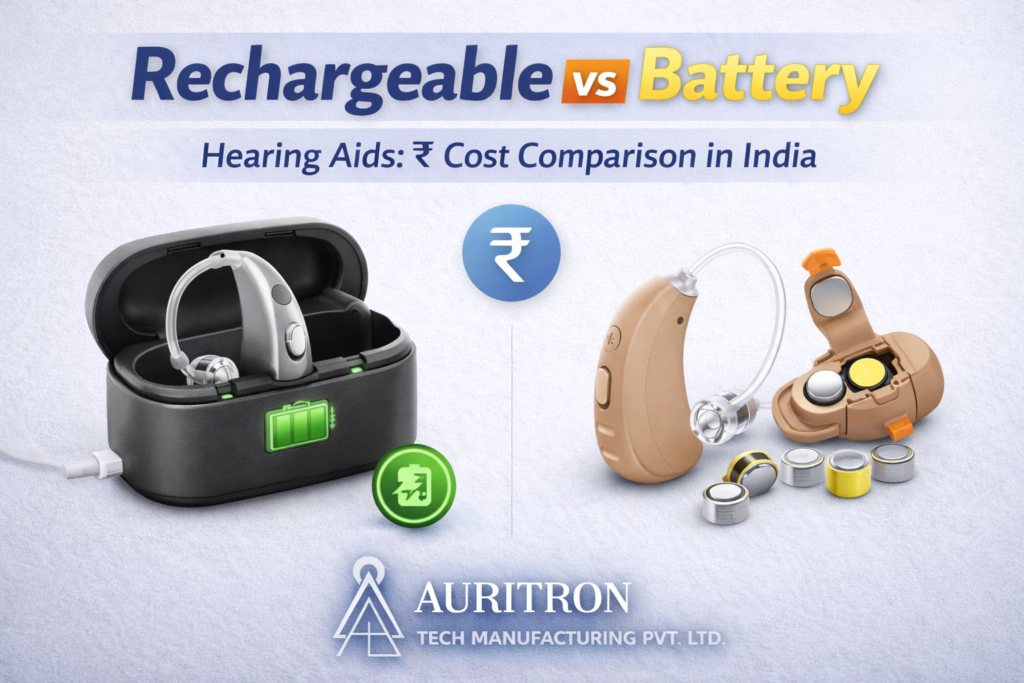
Blog Book An Appointment Rechargeable vs Battery Hearing Aids: Total Cost Comparison in India When buying a hearing aid in India, most people focus on sound quality and comfort. But very quickly, another practical concern comes up—long-term cost. The debate around Rechargeable vs Battery Hearing Aids: Total Cost Comparison in India is not just about the purchase price. It is about what you will spend over the next 3 to 5 years. Battery-operated hearing aids appear more affordable at first. Rechargeable devices, however, promise convenience and savings over time. So which one truly costs less in the long run? The answer depends on how you calculate ownership cost, daily usage habits, and maintenance requirements. Let’s break it down carefully so you can see the real financial picture. Initial Purchase Price in the Indian Market The first thing most buyers notice is the upfront price difference between the two types. Battery hearing aids are generally available in a wide price range. Entry-level digital models can start around ₹12,000 to ₹20,000 per ear. Mid-range models with better speech clarity and noise reduction may cost ₹25,000 to ₹50,000. Premium models with Bluetooth streaming can go beyond ₹80,000 per ear. Rechargeable hearing aids usually start slightly higher. Entry-level rechargeable options often begin at ₹18,000 to ₹30,000 per ear. Advanced models with smart connectivity and lithium-ion battery systems can range between ₹50,000 to ₹1,20,000 per ear. At this stage, battery models seem more affordable. But this comparison only reflects the first payment—not the total cost of ownership. Ongoing Battery Expenses Over Time This is where the financial difference becomes more visible. Battery hearing aids use disposable zinc-air batteries. These batteries typically last between 3 to 10 days depending on hearing aid power level, daily usage hours, and Bluetooth streaming time. Annual Battery Cost Calculation Let’s calculate an average scenario. If a battery pack costs ₹250 and lasts about two weeks, a user may need two packs per month. That equals roughly ₹500 monthly. Over one year, that becomes ₹6,000 per ear. Over 5 years, battery expense alone could reach ₹30,000 per ear. For bilateral users (both ears), this number doubles. Rechargeable hearing aids, on the other hand, require no weekly battery purchases. They use built-in lithium-ion batteries that charge overnight. Electricity cost for daily charging is negligible in India. Most rechargeable batteries are designed to last 3–5 years before needing replacement. Even if a battery replacement costs ₹4,000–₹6,000 after several years, the total expense remains lower compared to buying disposable batteries continuously. Maintenance and Servicing Considerations Cost comparison is not only about batteries. Device durability also impacts long-term spending. Battery-operated hearing aids have a battery door that is opened and closed regularly. Over time, repeated handling may cause wear and tear. Dust, sweat, and humidity exposure can affect the battery compartment, especially in India’s climate. Moisture and Corrosion Risk Frequent battery changes increase exposure to moisture. Corrosion inside the battery compartment may lead to repair costs. Minor servicing charges can add up over time. Rechargeable hearing aids usually have sealed battery systems. Since the battery is not removed daily, there is less exposure to dust and moisture. This may reduce servicing frequency and internal damage risk. While both types require proper cleaning and maintenance, rechargeable devices often offer slightly better structural durability. Daily Convenience and Indirect Cost Factors Financial cost is one side of the comparison. Convenience also influences long-term value. Battery hearing aid users must regularly purchase and store spare batteries. Forgetting to carry extra batteries during travel can cause sudden hearing interruptions. Emergency battery purchases may sometimes cost more in local stores. Ease of Use for Seniors For elderly users or those with arthritis, handling small batteries can be difficult. Dropping tiny batteries or struggling to insert them properly can cause frustration. Rechargeable hearing aids eliminate this issue. Placing the device in a charger overnight is simple and predictable. There is no need to open compartments or carry extra supplies daily. Reduced inconvenience may not show directly in numbers, but it significantly affects user experience and peace of mind. Performance with Bluetooth and Streaming Modern hearing aids often include Bluetooth streaming for calls and media. Streaming drains power faster. Battery-powered hearing aids may require more frequent battery replacements if streaming is used heavily. This increases monthly battery expense. Rechargeable hearing aids are designed to handle streaming more efficiently. Most models provide 18–24 hours of use on a full charge, even with moderate streaming. For smartphone users, this efficiency can reduce long-term cost pressure. 5-Year Ownership Cost Breakdown in India To clearly evaluate Rechargeable vs Battery Hearing Aids: Total Cost Comparison in India, let’s calculate a mid-range scenario. Battery Hearing Aid (Mid-Range Example) Device cost: ₹25,000 5-year battery cost: ₹30,000 Minor servicing estimate: ₹5,000 Total after 5 years: ₹60,000 per ear Rechargeable Hearing Aid (Mid-Range Example) Device cost: ₹35,000 Charging cost: Minimal Possible battery replacement after 4–5 years: ₹5,000 Total after 5 years: ₹40,000 per ear Despite the higher upfront investment, rechargeable models often prove more economical over time. Environmental and Practical Value Disposable batteries create environmental waste. Over 5 years, one user may discard hundreds of small batteries. Rechargeable hearing aids significantly reduce battery waste. While this may not directly reduce personal expenses immediately, it adds environmental value and long-term sustainability. For many buyers today, eco-conscious decisions are also part of overall value assessment. Which Option Is Financially Smarter? There is no single answer for everyone. Battery hearing aids may suit: Users with limited upfront budget Areas with frequent power cuts Individuals who prefer quick battery replacement Rechargeable hearing aids may suit: Long-term users Smartphone-heavy users Seniors with dexterity challenges Buyers looking at 5-year savings When you calculate total cost over several years, rechargeable devices often offer better financial value despite the higher initial price. Final Thoughts The comparison of Rechargeable vs Battery Hearing Aids: Total Cost Comparison in India goes beyond just the price tag at the time of purchase. While battery hearing aids may look economical initially,
5 Surprising Truths About Hearing Aids in 2026
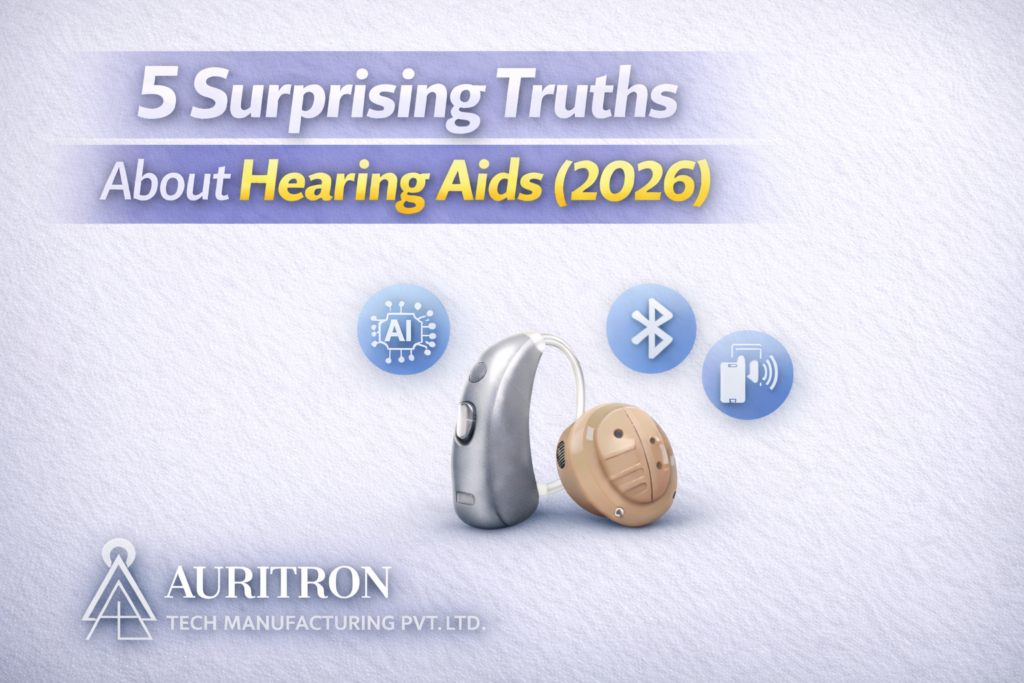
Blog Book An Appointment 5 Surprising Truths About Hearing Aids When most people think about hearing aids, they still imagine bulky beige devices that whistle, amplify noise, and feel uncomfortable. That image belongs to the past. Hearing technology in 2026 looks completely different. Devices are smaller, smarter, and more powerful than ever before. If you’ve been delaying treatment because of outdated assumptions, these 5 Surprising Truths About Hearing Aids might change your perspective. Truth #1 – Invisible Devices Now Deliver Premium Performance For many years, patients had to choose between appearance and performance. Smaller hearing aids meant limited features, while larger ones offered better sound processing. That trade-off no longer exists. Modern invisible hearing aids now come equipped with advanced processors, Bluetooth connectivity, rechargeable batteries, and intelligent sound management systems. Auritron Tech’s solutions sit deep inside the ear canal and remain practically undetectable—while delivering clear, natural sound throughout the day. Discreet Yet Powerful Technology Despite their tiny size, these devices: Support phone call streaming Connect directly to smartphones and TVs Automatically adjust to different sound environments Provide all-day rechargeable battery life For users who value discretion, this is a major breakthrough. You no longer have to compromise performance for invisibility. Truth #2 – Some Hearing Aids Can Be Worn Continuously Traditional hearing aids are worn during the day and removed at night. However, certain modern designs allow extended wear for weeks at a time. These devices are professionally placed deeper inside the ear canal and remain there 24/7. Continuous Sound Support Extended-wear models allow users to: Sleep comfortably with the device in place Shower without removing it Experience uninterrupted hearing Reduce nighttime tinnitus perception For individuals who struggle with ringing in the ears, continuous sound support can make a significant difference, especially during quiet nighttime hours. Truth #3 – Hearing Aids Now Support Balance and Safety Hearing and balance are closely connected because both functions are controlled by the inner ear. When hearing declines, balance issues can sometimes follow. Modern hearing aids are now equipped with motion sensors and activity tracking technology. Built-In Motion and Fall Detection Advanced devices can: Monitor daily movement patterns Detect sudden falls Send alerts to family members Track physical activity This added layer of safety is especially important for seniors. In busy urban environments with uneven surfaces and heavy traffic, maintaining balance is essential. Hearing aids are no longer just sound amplifiers — they are evolving into health-support tools. Truth #4 – Artificial Intelligence Handles Background Noise Noisy environments are one of the biggest challenges for hearing aid users. Indian weddings, railway stations, markets, and restaurants can overwhelm older technology. Modern hearing aids use Artificial Intelligence (AI) and Deep Neural Networks to separate speech from noise instantly. Real-Time Noise Filtering AI-powered devices: Identify speech patterns Suppress background sounds Automatically adjust microphone direction Reduce listening effort Instead of amplifying everything equally, the device focuses on what matters — the person speaking in front of you. This dramatically improves conversation clarity in complex sound environments. Truth #5 – Technology Alone Is Not Enough This may be the most important insight among the 5 Surprising Truths About Hearing Aids. Even the most advanced hearing aid requires proper fitting and brain adaptation. When someone experiences hearing loss for years, the brain gradually reduces its ability to process sound efficiently. When sound returns through a hearing aid, it can feel overwhelming at first. The Importance of Auditory Rehabilitation Successful hearing care involves: Accurate hearing assessment Real-ear measurement during fitting Personalized sound programming Follow-up adjustments Auditory training exercises Auditory training helps the brain relearn how to process speech clearly, especially in noisy environments. Just like physiotherapy after surgery, hearing rehabilitation ensures long-term success. Why These Truths Matter Today Hearing aids are no longer symbols of aging or limitation. They are smart devices designed to enhance clarity, safety, and communication. From invisible designs and AI-powered sound control to health tracking features, the advancements are significant. The stigma that once surrounded hearing aids is fading as technology becomes more discreet and effective. At Auritron Hearing Solutions, modern digital hearing aids are carefully selected and programmed according to individual hearing profiles. Proper evaluation and personalized fitting ensure users receive maximum benefit from their devices. Moving Forward with Confidence If outdated beliefs have been stopping you from considering treatment, it may be time to rethink those assumptions. The innovations described in these 5 Surprising Truths About Hearing Aids show that hearing technology has entered a new era — one focused on comfort, connectivity, and cognitive support. Better hearing is not just about volume. It is about staying connected to conversations, relationships, and everyday experiences. FAQs 1. Are invisible hearing aids powerful enough for significant hearing loss? Yes, many modern invisible devices now include advanced processors capable of handling moderate to severe hearing loss. 2. Do AI hearing aids really work in noisy places? Yes. AI-driven devices distinguish speech from background noise and adjust automatically in real time. 3. Can hearing aids help with tinnitus? Many devices include built-in sound therapy programs that reduce the perception of ringing. 4. How long do rechargeable hearing aids last? Most provide a full day of use, including streaming, on a single charge. 5. Is professional fitting necessary? Yes. Accurate programming and follow-up adjustments significantly improve clarity and comfort. Yes, many modern invisible devices now include advanced processors capable of handling moderate to severe hearing loss. Yes. AI-driven devices distinguish speech from background noise and adjust automatically in real time. Many devices include built-in sound therapy programs that reduce the perception of ringing. Most provide a full day of use, including streaming, on a single charge. Yes. Accurate programming and follow-up adjustments significantly improve clarity and comfort. Find the Right Hearing Solution Today Book An Appointment