Hearing plays a vital role in a child’s speech, language, learning, and social development. When hearing loss goes untreated, it can affect communication skills, academic performance, and confidence. Choosing the right hearing aid for children at the right time can make a significant difference in a child’s overall growth and quality of life.
Parents often notice signs such as delayed speech, difficulty responding to sounds, frequently asking others to repeat themselves, or increasing the television volume. These signs should never be ignored. With early diagnosis and appropriate hearing support, children can develop communication skills comparable to their peers.
Modern hearing aids are specially designed for children. They are comfortable, safe, durable, and equipped with advanced technology that adapts to different listening environments. Combined with regular hearing assessments and speech therapy when needed, these devices help children actively participate in school, play, and daily life.
The first few years of a child’s life are critical for brain development, especially for speech and language. When hearing loss is identified early, children have a much better opportunity to develop listening and communication skills.
Using a hearing aid as recommended by an audiologist helps the brain receive sound consistently. This supports language development, improves classroom participation, and encourages better interaction with family members and friends. Delaying treatment may make speech and learning milestones more difficult to achieve later.
A hearing aid does much more than simply make sounds louder. It amplifies speech while reducing unnecessary background noise, making conversations easier to follow. This helps children recognize voices, understand instructions, and participate confidently in classroom activities.
Better hearing also supports emotional development. Children who hear clearly often communicate more effectively, build stronger relationships, and become more confident during social interactions. With proper hearing care, they can enjoy music, storytelling, outdoor activities, and everyday conversations without unnecessary challenges.
Not every child with hearing loss shows obvious symptoms, but several early signs should encourage parents to seek professional advice.
A child may not respond consistently when called, may speak later than expected, struggle to pronounce words clearly, ask people to repeat themselves often, or perform poorly in noisy environments like classrooms. Some children may also appear inattentive when the real issue is difficulty hearing.
If you notice any of these changes, scheduling a hearing assessment as early as possible can help identify the cause and determine the most suitable treatment.
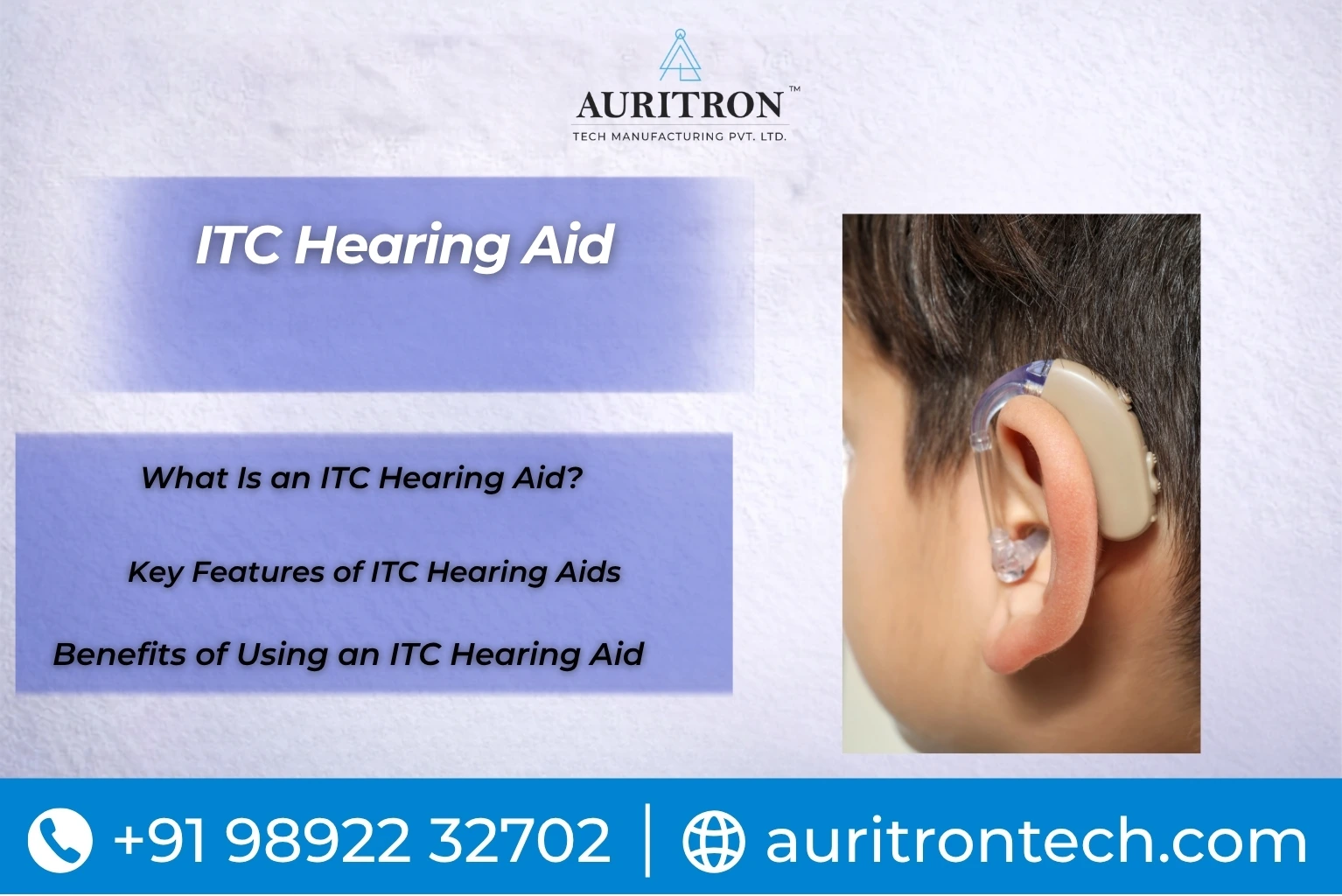
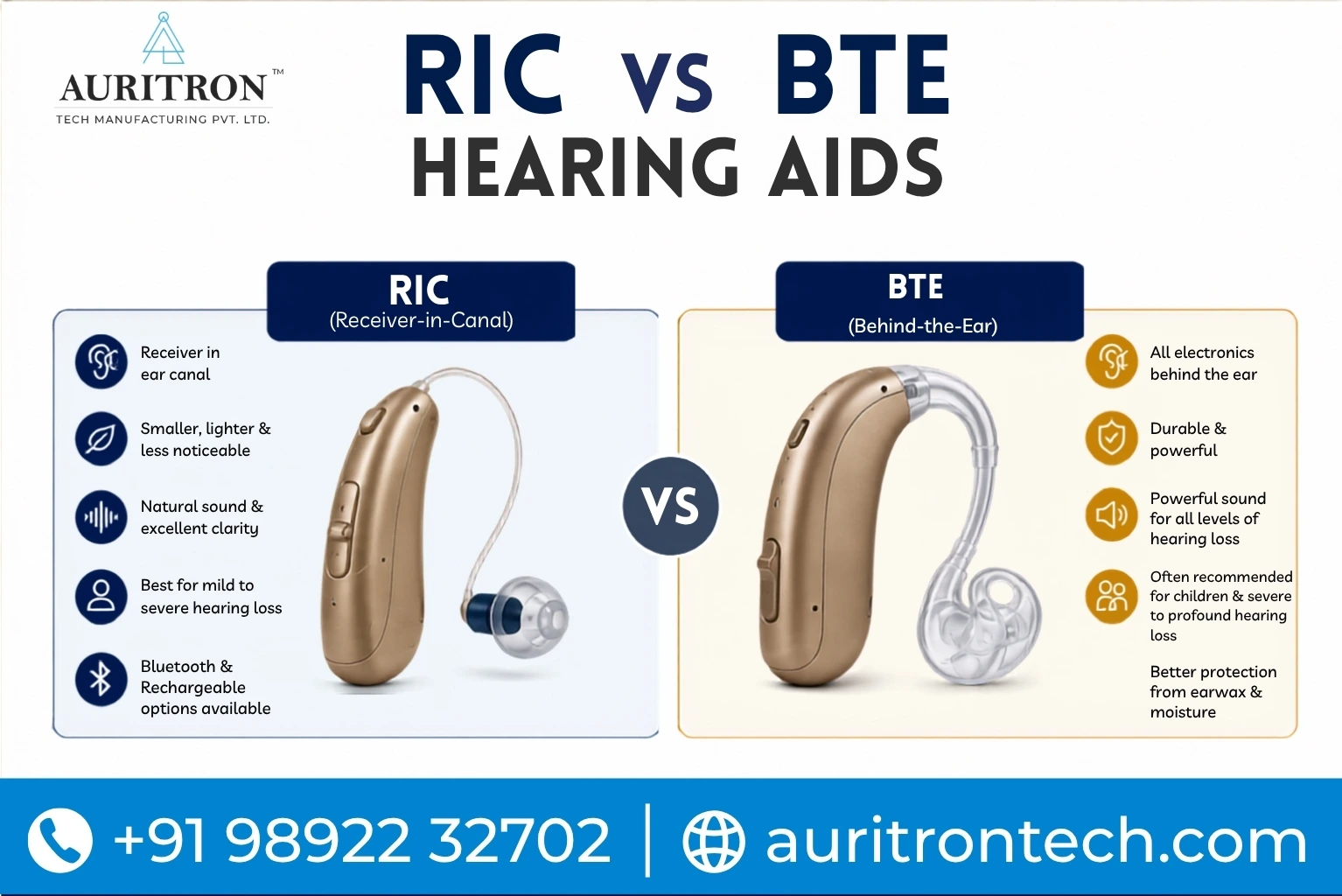
Children require hearing aids that match their age, hearing condition, and daily activities. Behind-the-ear (BTE) hearing aids are the most commonly recommended option because they are durable, easy to adjust, and suitable for growing ears. As children grow, only the earmold usually needs replacement, making them a practical long-term solution.
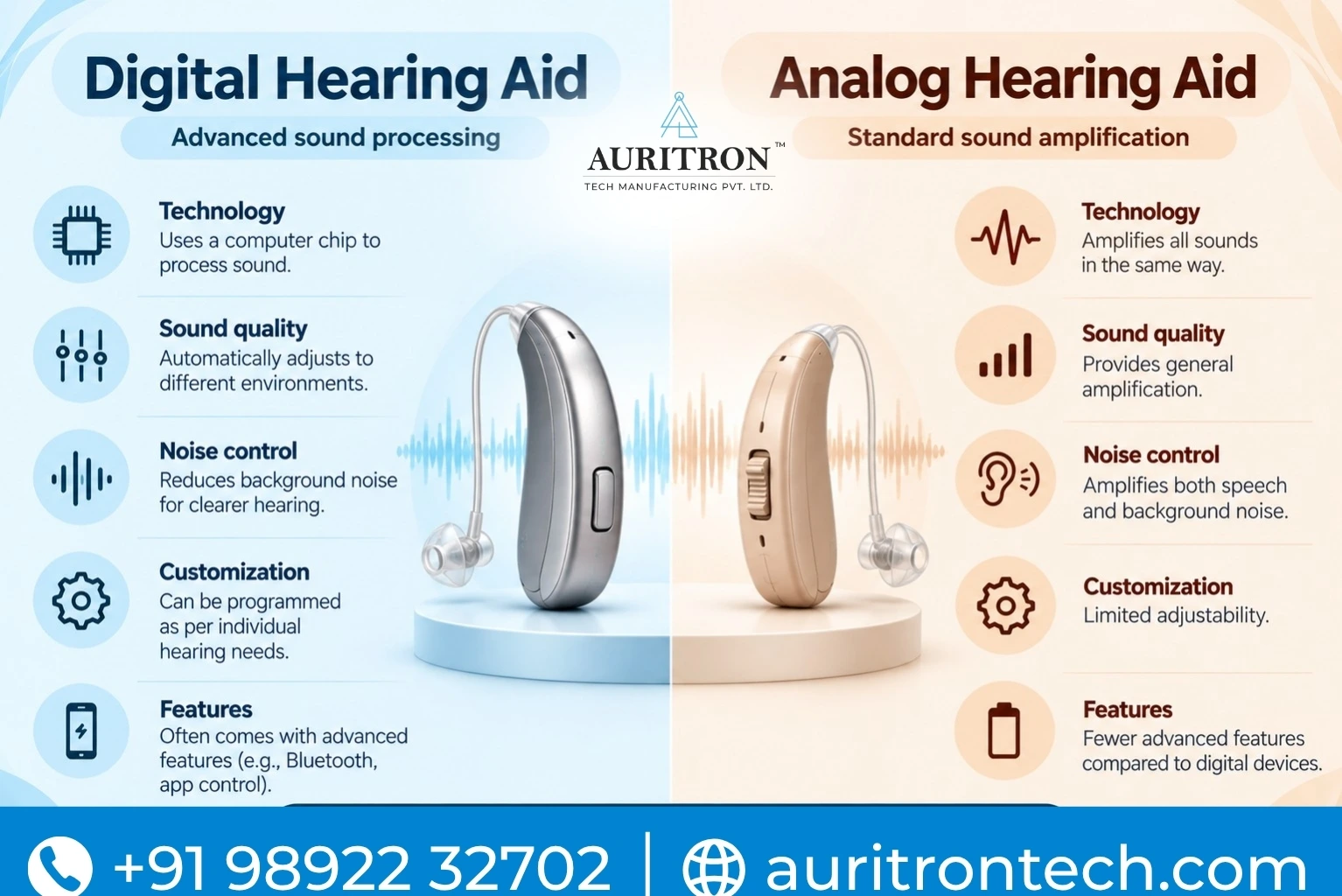
For older children with specific hearing needs, other styles may also be considered based on professional recommendations. Today’s digital hearing aids offer advanced features such as noise reduction, feedback cancellation, Bluetooth connectivity, and directional microphones, helping children hear more clearly in classrooms and busy environments.
The right hearing aid is selected only after a detailed hearing evaluation, ensuring it matches the child’s level of hearing loss and lifestyle.
After a complete hearing assessment, the audiologist selects the most appropriate hearing aid based on the child’s hearing levels and age. The device is then carefully programmed according to the hearing test results.
Parents are guided on how to wear the hearing aid correctly, replace batteries or charge the device, clean it properly, and monitor daily usage. Children usually need regular follow-up visits because their hearing levels and ear size may change as they grow. These appointments ensure the hearing aid continues to provide the best possible performance.
Most children need a short adjustment period after receiving a hearing aid. Initially, everyday sounds may seem different because they are hearing many sounds more clearly than before.
Parents can help by encouraging regular use during daily activities, reading stories aloud, having conversations, and creating positive listening experiences. Teachers should also be informed so they can support the child’s hearing needs inside the classroom.
Consistency is important. Wearing the hearing aid every day helps the brain adapt more quickly and improves long-term listening skills.
A hearing aid performs best when it is maintained properly. Parents should check the device every morning to ensure it is working correctly and free from moisture or dirt. The earmold should be cleaned regularly, and batteries should be replaced or recharged as required.
Children who play sports or spend time outdoors should use protective accessories recommended by their audiologist. Regular servicing also helps maintain sound quality and extends the life of the hearing aid.
Proper care reduces unexpected breakdowns and ensures the child continues to receive clear and consistent hearing support.
Yes. Children using hearing aids can participate in school, sports, music, and everyday activities just like other children. With early intervention, appropriate hearing devices, supportive parents, and regular follow-up care, many children achieve excellent speech, language, and academic outcomes.
Technology has significantly improved hearing aids, making them smaller, more comfortable, and capable of delivering natural sound quality. Many children quickly adapt and become confident wearing them as part of their daily routine.
Auriton Tech is dedicated to providing personalized hearing care for children through comprehensive hearing evaluations, advanced digital hearing aid solutions, and continuous follow-up support. The Tech focuses on selecting hearing aids that match each child’s unique hearing needs, ensuring comfort, clear hearing, and long-term performance. Experienced audiologists work closely with parents throughout every stage, from diagnosis and fitting to adjustments and ongoing care, helping children build better communication skills and confidence.
Choosing the right hearing aid at the right time can positively influence a child’s speech, education, and social development. Early hearing assessment, professionally fitted hearing aids, and regular follow-up care provide children with the opportunity to communicate confidently and reach important developmental milestones. If you notice signs of hearing difficulty, seeking timely hearing care can make a lasting difference in your child’s future.
Children can start using hearing aids within the first few months of life after hearing loss is diagnosed and evaluated by an audiologist.
Yes. Regular daily use helps children develop better listening, speech, and language skills while supporting normal communication.
Yes. Modern hearing aids are designed specifically for children and are programmed according to their individual hearing needs.
Regular follow-up appointments are recommended every few months or as advised by the audiologist to adjust the hearing aid as the child grows.
Yes. When combined with early intervention and consistent use, hearing aids support speech, language, and communication development.