Hearing loss can affect communication, confidence, relationships, and overall quality of life. Fortunately, hearing technology has evolved significantly over the years. Today’s modern hearing aids are far more advanced than the bulky devices people often associate with hearing assistance. They are smaller, smarter, more comfortable, and equipped with innovative features that help users hear clearly in different environments.
Whether someone experiences mild hearing loss or a more severe hearing condition, advanced hearing devices can provide personalized solutions that support daily activities. From conversations in crowded places to streaming phone calls directly into the device, modern technology has transformed the hearing experience.
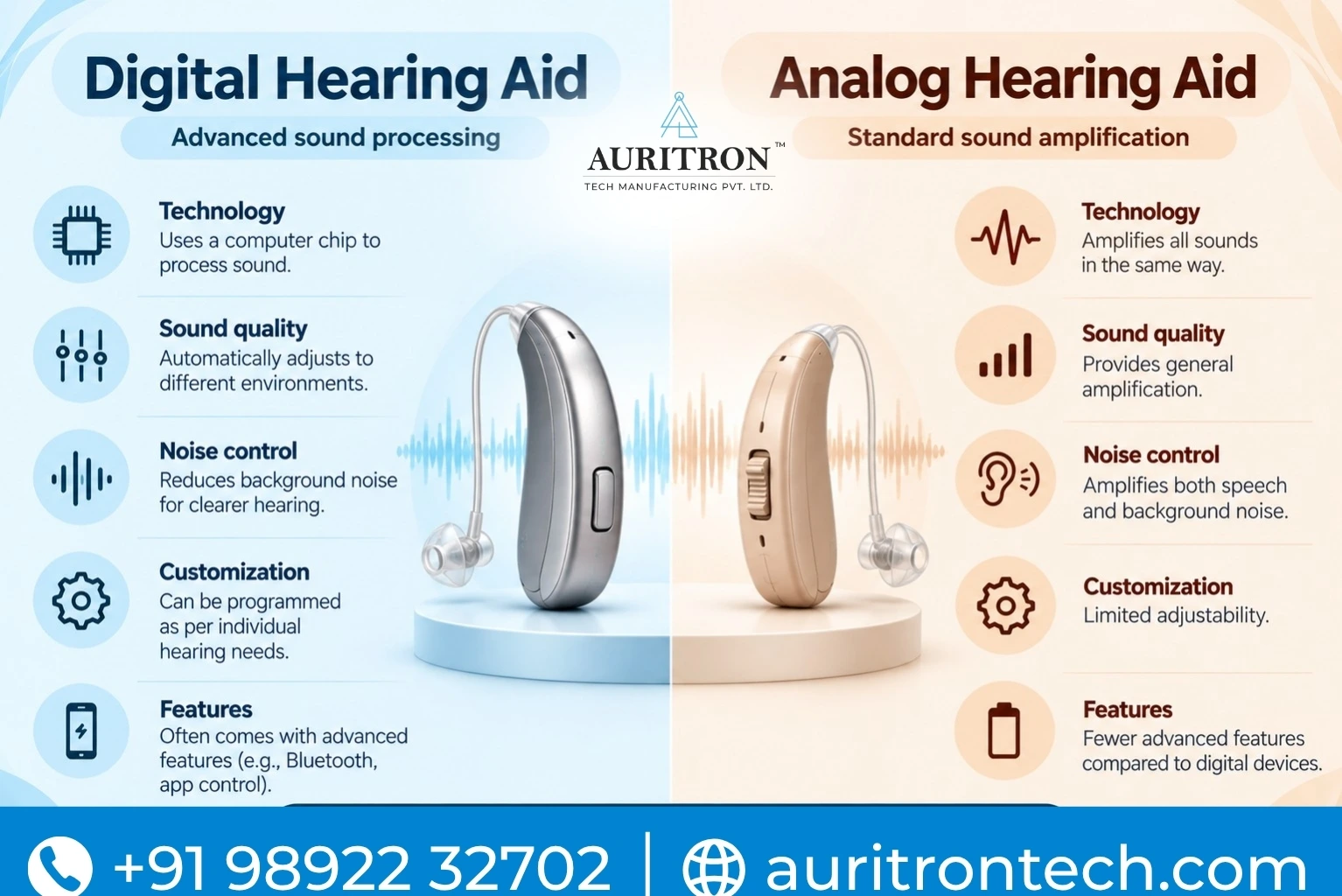
Modern hearing aids are advanced electronic devices designed to amplify and process sounds for individuals with hearing loss. Unlike older models that simply increased volume, today’s hearing aids use digital technology to analyze sound, reduce unwanted noise, and enhance speech clarity.
These devices are customized according to an individual’s hearing profile and lifestyle requirements. They continuously adapt to different listening environments, making conversations more natural and comfortable.
Many current models are designed to be discreet and lightweight, allowing users to wear them throughout the day without discomfort. Their sophisticated technology enables better hearing performance while maintaining a natural listening experience.
The technology inside hearing aids has become increasingly sophisticated. A typical device contains several components that work together to improve hearing.
Tiny microphones capture sounds from the surrounding environment. These sounds are then converted into digital signals for processing.
The device analyzes incoming sounds and distinguishes speech from background noise. It adjusts amplification levels based on the user’s hearing needs.
After processing, the sound is transmitted into the ear through a speaker, providing clearer and more balanced hearing.
This process happens almost instantly, allowing users to hear conversations and environmental sounds naturally.
One of the reasons hearing technology has gained popularity is the range of advanced features available today.
Background noise can make conversations difficult, especially in restaurants, offices, or public spaces. Advanced hearing devices can identify and reduce unwanted sounds while focusing on speech.
These microphones help users focus on sounds coming from a specific direction. This feature is particularly useful during meetings, family gatherings, or social events.
Many hearing aids now connect wirelessly to smartphones, tablets, televisions, and other devices. Users can stream phone calls, music, and audio directly into their hearing aids.
Rechargeable models eliminate the need for frequent battery replacements. A single charge often provides all-day performance, making them convenient for daily use.
Advanced devices can automatically recognize different listening environments and adjust settings accordingly. This helps maintain sound clarity whether the user is at home, outdoors, or in a crowded location.
Different styles are available to suit varying degrees of hearing loss and personal preferences.
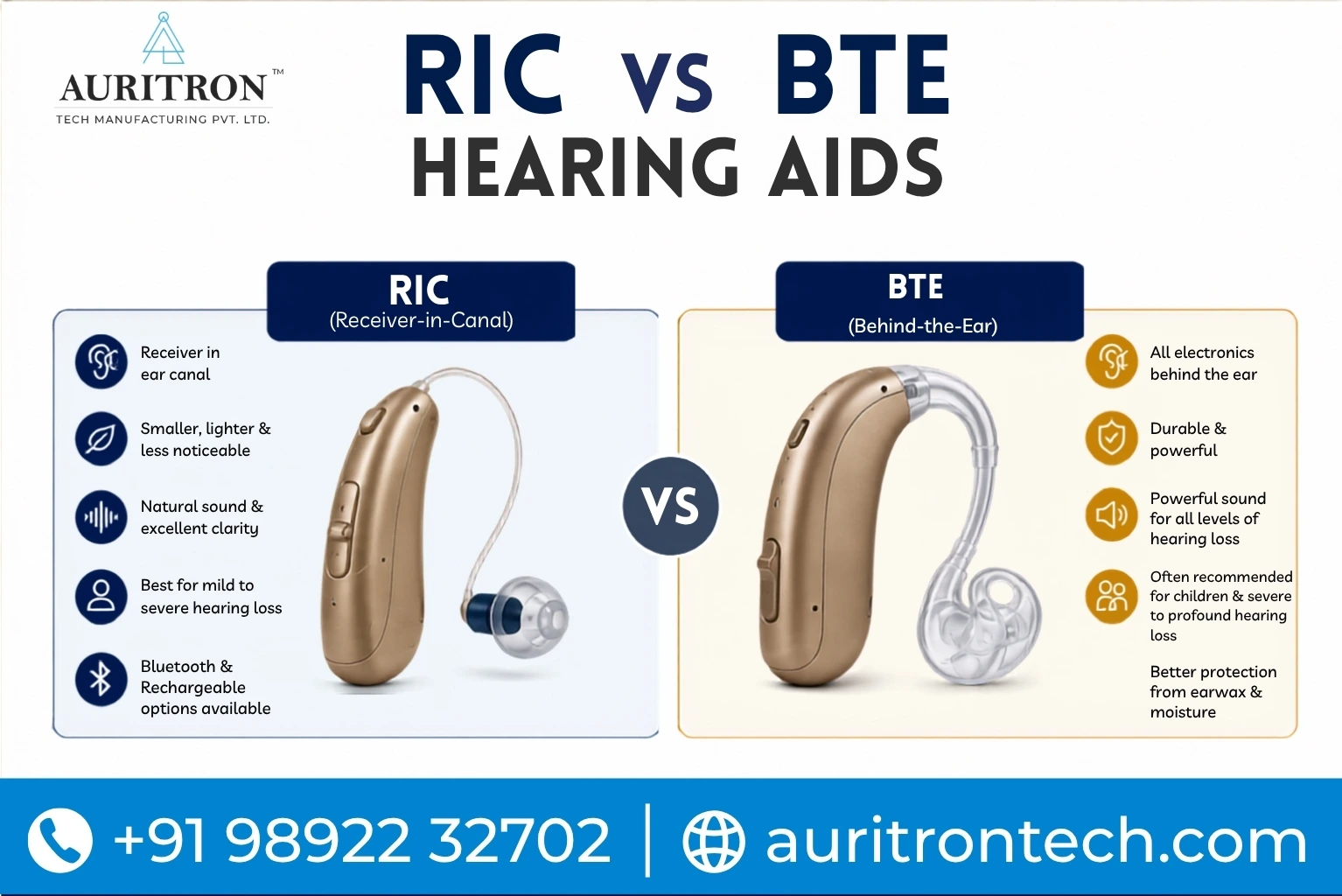
These devices sit behind the ear and connect to an earmold or receiver. They are suitable for a wide range of hearing loss levels and often include advanced features.
RIC models are among the most popular options due to their comfortable fit and natural sound quality. They are smaller than traditional BTE devices while offering powerful performance.
These hearing aids fit directly within the outer ear and are custom-made for the user. They are easy to handle and suitable for many hearing needs.
CIC hearing aids fit deep inside the ear canal, making them less visible. They are often preferred by individuals seeking a discreet solution.
The advantages extend beyond improved hearing. Many users experience positive changes in multiple areas of life.
Clearer hearing improves conversations with family, friends, and colleagues. Users are less likely to ask others to repeat themselves, resulting in smoother communication.
Hearing difficulties can sometimes lead people to avoid social situations. Improved hearing can help restore confidence and encourage greater participation in daily activities.
Being able to hear alarms, traffic sounds, and emergency signals contributes to personal safety and awareness.
Hearing clearly during meetings, phone calls, and workplace discussions can support productivity and professional interactions.
Many users report feeling more connected to their surroundings and relationships after adopting hearing solutions tailored to their needs.
Individuals with varying degrees of hearing loss may benefit from hearing aid technology. Common signs that indicate a hearing assessment may be necessary include:
A professional hearing evaluation can determine whether hearing aids are an appropriate solution and identify the most suitable device type.
Selecting the best hearing aid involves more than choosing the latest technology. Several factors should be considered.
Different devices are designed to address specific hearing levels. An audiologist can recommend suitable options based on test results.
Someone who frequently attends meetings, travels, or participates in social events may benefit from advanced connectivity and noise-management features.
A properly fitted hearing aid improves comfort and ensures optimal performance throughout the day.
Features such as smartphone integration, rechargeable batteries, and automatic adjustments may influence the selection process.
Proper maintenance helps extend the life and performance of hearing devices.
Keep hearing aids clean and dry, store them safely when not in use, and follow manufacturer recommendations for maintenance. Regular hearing checkups and device servicing can help ensure consistent performance and address any adjustments that may be needed over time.
Hearing technology continues to evolve rapidly. Artificial intelligence, enhanced sound processing, improved battery life, and health-monitoring capabilities are becoming increasingly common. Future innovations are expected to provide even greater personalization and listening comfort.
As technology advances, hearing aids will continue to become more effective, discreet, and integrated with everyday digital devices. These developments are helping individuals stay connected, engaged, and confident in their daily lives.
Modern hearing aids have transformed the way people manage hearing loss. With advanced digital processing, wireless connectivity, noise reduction capabilities, and personalized settings, these devices offer far more than simple sound amplification. They help users communicate effectively, participate confidently in social situations, and enjoy a better quality of life. Choosing the right hearing aid and seeking professional guidance can make a significant difference in achieving the best possible hearing experience.
Yes, many advanced hearing aids are specifically designed to support individuals with mild hearing loss while providing natural sound quality.
Most modern devices offer Bluetooth connectivity, allowing users to stream calls, music, and other audio directly from compatible smartphones.
Many rechargeable hearing aids provide a full day of use on a single charge, depending on usage patterns and features enabled.
Several models are designed to be discreet and fit comfortably inside or behind the ear with minimal visibility.
Regular checkups and professional maintenance are recommended at least once or twice a year to ensure optimal performance.