
Best Hearing Aids in 2026: Types, Features and Choosing the Right Device
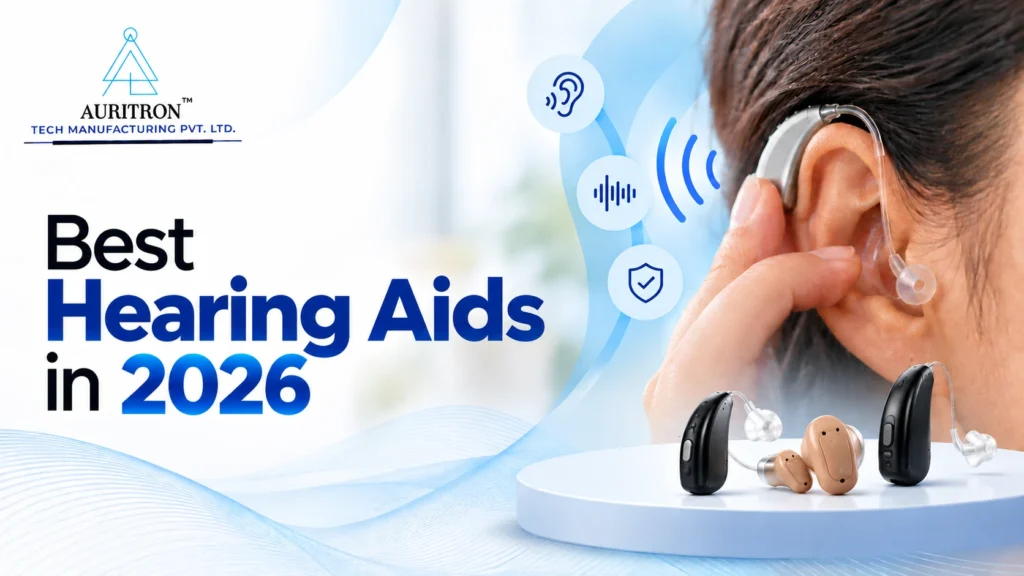
Blog Book An Appointment Best Hearing Aids in 2026: Types, Features and Choosing the Right Device If you haven’t looked at hearing aids in the last ten years, you’re in for a surprise. The clunky beige things people used to hide are mostly gone. What’s on the shelf now is small, light, and honestly a bit clever. Devices talk to your phone. They charge overnight like a pair of earbuds. They quietly figure out whether you’re in a quiet room or a noisy restaurant and adjust themselves. All good. But here’s where people go wrong. They assume newest equals best. Or priciest equals best. And that’s just not how this works. The best hearing aid is the one that matches your hearing loss, your daily routine and your comfort, and if it fails on any of those three, the rest of the spec sheet doesn’t matter much. So when you’re comparing the best hearing aids in 2026, look past the brand and the price tag. Style, sound processing, battery, connectivity, how easy it is to handle, and the fitting itself, all of that shapes how the device actually feels day to day. A device that suits someone who’s home most of the day watching TV is not the same device for someone running between meetings and airports. Same hearing loss, maybe. Different needs entirely. What Actually Makes a Hearing Aid Good in 2026? Two things, really. It has to give you the right amount of amplification, and it has to be comfortable enough that you’ll wear it every day without thinking about it. The technology side is genuinely impressive now. These devices don’t just crank up the volume. They read the sound coming in, break it down, and adjust it depending on what’s around you, so speech gets a lift while some of the background noise gets held back. But the technology only works if it’s aimed at the right target. Mild loss, moderate loss, severe loss, they all need different amounts of power and sometimes different designs altogether. There’s no one device that suits everyone. Anyone who tells you otherwise is selling something. And comfort. I’ll keep saying this in every article I write, because it’s the thing people underrate most. A device packed with features that’s fiddly to put in, awkward to clean or uncomfortable after three hours ends up in a drawer. Size, fit, the controls, how you charge it, what the upkeep looks like, think about all of that before you think about the fancy stuff. Top Hearing Aid Features to Consider in 2026 Digital Sound Processing This is the engine underneath everything else. Instead of making the whole world louder, the device sorts the incoming sound and treats different frequencies differently, based on how it’s been programmed for your ears. That’s the bit that matters. Old amplifiers made the traffic as loud as the conversation. These don’t. And it shifts as you move around. The processing you need for a quiet chat in your living room isn’t the same as what you need standing in a busy market. Good devices handle that change themselves. Find the Right Hearing Aid for Your Needs Book An Appointment Background Noise Management Noisy places are the number one complaint. Restaurants, weddings, family lunches, open-plan offices. People manage fine one-on-one and then completely lose the thread the moment there’s a crowd. Modern hearing aids tackle this with directional microphones and digital processing, basically favouring the voice in front of you over the clatter around you. One honest caution though. This does not make noise vanish. Nothing does. What it does is improve the balance between speech and everything else, so following a conversation takes less effort. That’s a real improvement, but go in expecting “easier”, not “silent”. Bluetooth Connectivity This one has become a favourite, and I understand why. If your hearing aids are Bluetooth-capable, they can pair up with your phone, your tablet, your TV. Calls come straight into your ears. Music, videos, voice notes, same thing. No fumbling with the speakerphone, no holding the handset at a weird angle hoping it lines up. If you’re on your phone a lot, this one feature can change your day more than any other. Rechargeable Batteries Tiny disposable batteries are a nuisance. Small fingers-required, always running out at the worst moment, always needing a spare pack in the bag. Rechargeable models skip all that. You drop them in the charging case at night and pick them up in the morning. Just check the numbers before you buy. Runtime varies quite a bit between models, and streaming audio all day will drain them faster than normal use. Ask how many hours you’ll realistically get and how long a full charge takes. Smartphone Apps Most current devices come with an app. Depending on the model you can adjust volume, switch listening programs, see how much battery is left, and tweak a few settings yourself. For people who’d rather tap a phone screen than hunt for a tiny button behind their ear, it’s a nice bit of control. For people who aren’t phone-friendly, it’s not essential. Either is fine. Different Types of Hearing Aids Available in 2026 Behind-the-Ear Hearing Aids BTE devices sit behind your ear and connect down to an earmould or earpiece in the ear. They come in a range of power levels and cover a wide span of hearing losses, including the more severe end. Since the main body sits outside the ear, there’s more room inside for the technology and for stronger amplification when that’s needed. They’re also usually the easiest to handle, which matters more than people think if your fingers aren’t as nimble as they used to be. What suits you still comes down to your hearing test. Receiver-in-Canal Hearing Aids RIC models are a bit of a middle ground and they’re very popular for that reason. The small main unit sits behind the ear like a BTE, but the receiver, the speaker part, sits down in