Digital Hearing Aids with Bluetooth, Care & Accessories
Digital Hearing Aids: Benefits, Care, and Accessories Hearing loss affects millions of people worldwide and can make everyday communication challenging. Whether it is following conversations in noisy places, enjoying television, or speaking on the phone, hearing issues create barriers that impact quality of life. Fortunately, modern digital hearing aids have transformed this experience, offering not just sound amplification but clarity, comfort, and connectivity. Unlike older devices, digital hearing aids are designed with advanced processors that filter noise, amplify important sounds like speech, and adapt to different listening environments. Alongside innovations such as Bluetooth hearing aids, regular hearing aid care, and supportive hearing aid accessories, these devices provide lasting hearing aid benefits that restore confidence and independence. How Digital Hearing Aids Work The core strength of digital hearing aids lies in their ability to analyze sound digitally. Using microchips, they capture incoming sound, process it, and deliver a clear version tailored to the user’s needs. This process reduces unwanted background noise and highlights conversations.For example, in a busy restaurant, digital hearing aids focus on speech while minimizing clattering dishes and background chatter. In quiet spaces, they automatically adjust for softer tones. This adaptability is one of the most valuable hearing aid benefits, making them a reliable choice for diverse situations. Features That Make Digital Hearing Aids Advanced Modern digital hearing aids go far beyond simple amplification. Some notable features include: Directional microphones – Focus on speech from specific directions. Feedback cancellation – Reduces whistling noises. Multiple listening programs – Automatically adapt to different sound environments. Compact design – Small and discreet models for comfortable wear. Connectivity options – Pair seamlessly with Bluetooth hearing aids for hands-free convenience. These features ensure that digital hearing aids not only improve hearing but also provide flexibility in everyday life. Bluetooth Hearing Aids – Modern Connectivity One of the biggest advances in hearing technology has been the arrival of Bluetooth hearing aids. These devices offer more than hearing support — they connect users directly with their favorite devices. Direct Audio Streming With Bluetooth hearing aids, music, television audio, podcasts, and even phone calls can stream straight into the hearing device. This eliminates the need for additional headphones or external attachments. Smarter Adjustments Using mobile apps, users can adjust sound levels or switch between programs. This level of control allows for a personalized listening experience. Comfort in Daily Life From work meetings to family calls, Bluetooth hearing aids make communication smooth, simple, and less stressful.This combination of hearing improvement and wireless convenience makes them a top choice for people seeking both performance and comfort. Hearing Aid Care – Essential Practices To ensure durability, consistent hearing aid care is necessary. Hearing devices are sensitive, and with proper care, they can last for many years. Daily Cleaning Routine Earwax and dust can block tiny sound outlets. Cleaning with soft brushes or wipes ensures uninterrupted performance. Moisture Protection Moisture is one of the main reasons hearing aids malfunction. Storing them in a drying kit or dehumidifier box protects delicate circuits. Battery Management Rechargeable devices should be charged regularly, while traditional models require safe battery removal at night.Regular servicing and professional checkups further extend device life. Without proper hearing aid care, users risk reduced sound quality and costly repairs. Hearing Aid Accessories That Add Value Supporting devices known as hearing aid accessories enhance user convenience and protect the main device. Cleaning Kits Essential for regular hearing aid care, cleaning kits prevent blockages and maintain hygiene. Wireless Streamers These are particularly useful for Bluetooth hearing aids, allowing direct connection to televisions and audio systems. Remote Controls Handy for quick adjustments, especially when users prefer not to use a smartphone app. Carrying and Storage Cases Cases protect against scratches, accidental drops, and dust.Investing in hearing aid accessories makes daily use easier while safeguarding the long-term hearing aid benefits. Hearing Aid Benefits That Transform Life The advantages of using digital hearing aids extend beyond hearing improvement. Some of the most important hearing aid benefits include: Clearer speech understanding in noisy environments Reduced listening effort, lowering mental fatigue Better social interactions and stronger confidence Enhanced entertainment through Bluetooth hearing aids Flexible personalization with hearing aid accessories Conclusion Modern technology has revolutionized the world of hearing support. Digital hearing aids combine precision and adaptability, helping users experience sound in a natural and comfortable way. With Bluetooth hearing aids, communication becomes effortless, while consistent hearing aid care ensures long-lasting performance. Supportive hearing aid accessories further add convenience and protect the investment. The real value lies in the many hearing aid benefits—clear conversations, stronger confidence, better social connections, and a more enjoyable daily life. For those seeking advanced hearing solutions, digital hearing aids remain one of the best innovations in healthcare technology. +91 9892232702 +91 2247511219 FAQs – RIC Hearing Aids in India How long do digital hearing aids last? Most digital hearing aids last 4–7 years with proper hearing aid care. Are Bluetooth hearing aids difficult to pair? No, Bluetooth hearing aids connect easily with smartphones, TVs, and laptops, similar to wireless headphones. Which hearing aid accessories are most useful? The most helpful hearing aid accessories include cleaning kits, dehumidifiers, wireless streamers, and protective cases. What are the main hearing aid benefits? Key hearing aid benefits are better clarity, reduced background noise, connectivity, and improved quality of life. Most digital hearing aids last 4–7 years with proper hearing aid care. No, Bluetooth hearing aids connect easily with smartphones, TVs, and laptops, similar to wireless headphones. The most helpful hearing aid accessories include cleaning kits, dehumidifiers, wireless streamers, and protective cases. Key hearing aid benefits are better clarity, reduced background noise, connectivity, and improved quality of life.
Understanding Low-Frequency Hearing Loss
Understanding Low-Frequency Hearing Loss Low-Frequency Hearing Loss is a rare yet impactful auditory condition that disrupts the ability to detect low-pitched sounds like male voices, thunder, or background hums. Unlike high-frequency loss, which affects treble sounds, this type impairs bass frequencies. It can significantly affect daily conversations and the ability to enjoy sounds in their full richness. At Auritron Tech, we offer advanced diagnostic tools and hearing aid solutions designed to address the unique challenges posed by low-frequency hearing impairment. What Is Low-Frequency Hearing Loss? Low-frequency hearing loss, also known as reverse-slope hearing loss, refers to a decreased sensitivity to sounds below 2000 Hz. On an audiogram, the hearing curve dips downward in the low-frequency range—thus, the term “reverse-slope.” This condition may go unnoticed for a long time because higher-frequency sounds, which dominate daily speech, remain unaffected in early stages. How Does the Hearing System Work? 1. Sound Waves Enter the Ear Sound waves travel through the outer ear and strike the eardrum, causing it to vibrate. 2. Vibration Transfer These vibrations pass through the ossicles—tiny bones in the middle ear that amplify the sound. 3. Signal to Cochlea The vibrations reach the cochlea in the inner ear, where hair cells transform them into electrical signals. 4. Transmission to Brain These electrical signals are transmitted to the brain for interpretation. In low-frequency hearing loss, the hair cells that detect bass sounds are less responsive, impairing low-pitch perception. Types of Low-Frequency Hearing Loss 1. Sensorineural Low-Frequency Hearing Loss This type is typically permanent and results from damage to the cochlea or auditory nerve due to genetics, aging, or certain diseases. 2. Conductive Low-Frequency Hearing Loss Occurs when sound cannot pass through the outer or middle ear due to earwax buildup, fluid, or structural abnormalities. Often treatable. 3. Mixed Hearing Loss A combination of sensorineural and conductive causes. Treatment depends on the dominant component. Common Symptoms of Low-Frequency Hearing Loss Difficulty understanding deep or male voices Trouble following conversations in noisy environments Phone calls sound muffled or unclear Can’t hear background sounds like refrigerator hums or bass music Increased dependence on lip-reading or visual cues Symptoms may develop gradually, making early detection essential. Causes of Low-Frequency Hearing Loss 1. Genetic Conditions Some people are born with a predisposition to reverse-slope loss due to inherited genes affecting cochlear function. 2. Meniere’s Disease A chronic condition causing inner ear pressure, vertigo, tinnitus, and progressive hearing loss—often starting with low frequencies. 3. Sudden Sensorineural Hearing Loss (SSNHL) A medical emergency that causes abrupt hearing loss in one or both ears, often affecting low frequencies. 4. Otosclerosis Abnormal bone growth in the middle ear reduces sound transmission, causing conductive hearing issues. 5. Acoustic Trauma or Noise Exposure Frequent or prolonged exposure to loud low-pitch sounds, such as industrial machinery, can damage inner ear hair cells. Diagnosis – How Is Low-Frequency Hearing Loss Detected? Proper diagnosis is critical for effective treatment. At Auritron Tech, our audiologists employ a combination of clinical tests: 1. Pure-Tone Audiometry Assesses hearing sensitivity across various frequencies. A downward slope in the lower ranges confirms reverse-slope loss. 2. Tympanometry Evaluates eardrum and middle ear health to identify any conductive component. 3. Speech Recognition Tests Measures how well patients understand spoken language, especially soft and low-pitched speech. Treatment for Low-Frequency Hearing Loss Treatment varies based on the type and severity of the condition. 1. Hearing Aids from Auritron Tech Our hearing aids are custom-designed to amplify low-pitched sounds effectively. They offer: Frequency-specific amplification Background noise reduction Speech enhancement in real-time Sleek, comfortable design 2. Medical Treatment Conditions like Meniere’s disease or SSNHL may be managed with corticosteroids, diuretics, or anti-inflammatory medications. 3. Surgical Options Surgical correction may help in cases of otosclerosis or chronic middle ear issues. Is Low-Frequency Hearing Loss Different from Other Types? Yes, it presents distinct auditory challenges: Vowels become harder to detect, unlike high-frequency loss which impacts consonants Background noises may overwhelm speech Music sounds less vibrant Deep voices may seem inaudible or unclear Understanding these differences is crucial in selecting the right hearing device or therapy plan. Hearing Aids, Therapy & Communication Strategies 1. Hearing Aids Auritron Tech’s hearing aids are specifically engineered for reverse-slope profiles, with emphasis on low-frequency sound amplification. 2. Auditory Training Through speech therapy or auditory exercises, patients can retrain their brains to process sounds more efficiently. 3. Communication Tips Face the person speaking Reduce environmental noise Use gestures or visual aids Choose quieter environments for conversation When Should You See a Specialist? Seek professional help if you: Frequently ask others to repeat themselves Feel voices sound dull or muffled Experience ringing in the ears, dizziness, or ear pressure At Auritron Tech, we connect you with experienced ENT doctors and certified audiologists for comprehensive assessments. Why Choose Auritron Tech? Auritron Tech is among India’s leading names in hearing care. We offer: Certified audiologists with expertise in low-frequency loss Personalized hearing aid fittings using advanced diagnostics Budget-friendly options with EMI plans Free consultations and trial periods Local service centers across India for convenient support Conclusion Low-Frequency Hearing Loss is less common but no less significant than other forms. It impacts communication, quality of life, and emotional well-being. Whether the cause is genetic, medical, or environmental, early detection and proper treatment can make a life-changing difference. With Auritron Tech’s state-of-the-art hearing aids and diagnostic care, you can take control of your hearing health and reconnect with the world around you. +91 9892232702 +91 2247511219 FAQs – Frequently Asked Questions Can low-frequency hearing loss be reversed? Some cases, such as those due to infection or blockage, are reversible. Sensorineural types are usually permanent but manageable. Are hearing aids effective for low-frequency loss? Yes, especially those programmed specifically for reverse-slope profiles like the ones from Auritron Tech. How common is low-frequency hearing loss? It’s rare compared to high-frequency loss but affects individuals with conditions like Meniere’s disease, otosclerosis, or genetic hearing impairments. Some cases, such as those due to infection or blockage, are reversible. Sensorineural types are usually
How Is Sound Produced – Process, Waves, and Examples | Auritron Tech
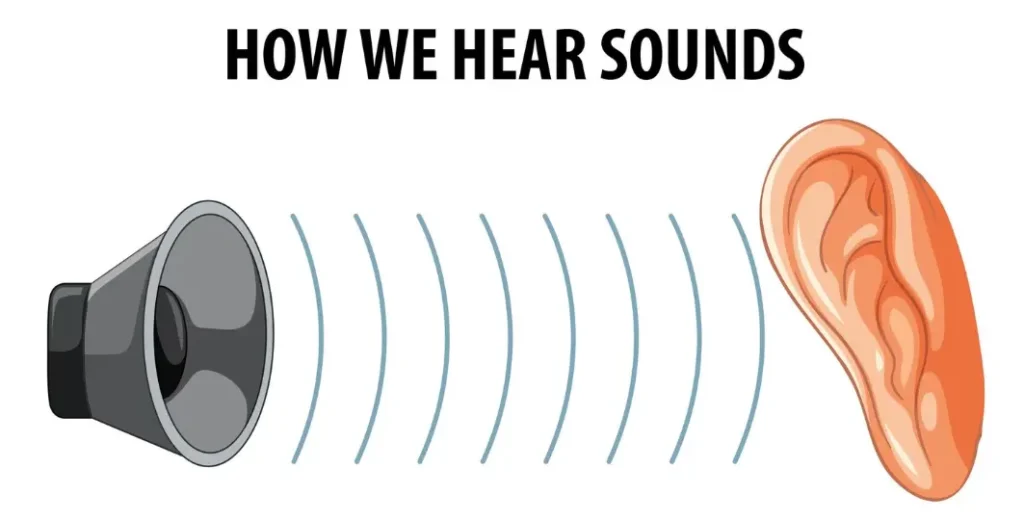
How Is Sound Produced? – Explained with Process, Types & Hearing Aid Connection Sound is a part of our daily lives, from the chirping of birds to the honk of a car. But have you ever wondered – how is sound produced? In this blog, we’ll explore the science of sound production, how it travels, its characteristics, and how technology like Auritron hearing aids helps improve hearing clarity for people with hearing loss. What Is Sound? Sound is a type of energy that travels through a medium (like air, water, or solid materials) in the form of vibrations or sound waves. It is created when an object vibrates, producing pressure waves in the surrounding medium, which then reach our ears. Scientific Explanation: Sound is a mechanical wave that needs a medium to travel. Example: When you pluck a guitar string, it vibrates and creates sound. Types of Sound There are different types of sound based on source and frequency: Based on Frequency Infrasonic: Below 20 Hz (e.g., elephant rumbles) Audible: 20 Hz to 20,000 Hz (e.g., human voice) Ultrasonic: Above 20,000 Hz (e.g., dog whistles, sonar) Based on Source Natural Sounds: Thunder, bird songs Artificial Sounds: Car horns, music from speakers How Is Sound Produced? Sound is produced through vibrations. When an object vibrates, it disturbs the surrounding air molecules, creating a chain reaction that forms a sound wave. Steps in Sound Production Vibration Begins: Object vibrates (e.g., vocal cords, speaker cone) Air Molecules Vibrate: These vibrations disturb surrounding particles. Sound Wave Formation: These disturbances form compressions and rarefactions – i.e., longitudinal sound waves. Transmission: Sound travels through a medium (solid, liquid, or gas). Reception: It finally reaches our ear, and our brain interprets it. How Does Sound Travel? Sound travels as longitudinal waves that compress and expand particles in the medium. Mediums of Travel Air (gas) – Most common, like human speech. Water (liquid) – Used by marine animals, sonar. Solids – Fastest transmission, used in stethoscopes. 🔸 Did You Know? Sound travels faster in solids than in air! Types of Waves in Sound Longitudinal Waves Particles vibrate parallel to the wave direction. Example: Sound waves in air. Transverse Waves Not typical in sound but found in light waves (for comparison). How to Create Standing Waves Standing waves are produced when two waves of the same frequency and amplitude move in opposite directions and interfere. Example in Music Guitar string vibrations create standing waves. Wind instruments like flutes also use this principle. Characteristics of Sound Waves Each sound wave has properties that define its quality. Key Characteristics Amplitude – Loudness of the sound. Frequency – Pitch (high or low tone). Wavelength – Distance between two compressions. Speed – How fast it travels through a medium. 📌 At Auritron Tech, our hearing aids are designed to detect these sound wave variations and provide clear, amplified audio to the ear. Units of Sound Sound is measured using various units depending on the characteristic: Common Sound Units Decibel (dB) – Measures loudness. Hertz (Hz) – Measures frequency. Pascal (Pa) – Measures pressure. Normal conversation is around 60 dB, while a rock concert may reach 110 dB or more. Sound Wave Graphs Explained A sound wave graph typically shows amplitude over time or frequency spectrum. Types of Graphs Waveform Graphs – Show volume and timing. Spectrograms – Show pitch and frequency. How Auritron Tech Enhances Sound Experience At Auritron Tech, we design state-of-the-art hearing aids that detect even minor sound wave signals and amplify them naturally. Whether it’s mild hearing loss or profound hearing challenges, Auritron devices offer clarity, comfort, and smart noise filtering. Why Choose Auritron Hearing Aids? Noise-cancelling technology Smart directional microphones Rechargeable and compact Personalized fitting for each use Made with care in India, for the world – Auritron brings advanced hearing technology to your doorstep. +91 9892232702 +91 2247511219 FAQs – Frequently Asked Questions What is sound and how is it produced? Sound is a form of energy created by vibrations. When objects vibrate, they produce sound waves that travel through a medium and reach our ears. What are the types of sound waves? There are mainly two: longitudinal (used in sound) and transverse (used in light). Can sound travel in vacuum? No, sound needs a medium (air, liquid, or solid) to travel. It cannot travel in vacuum. How do hearing aids help with sound? Hearing aids amplify and process sound signals to make them clearer for people with hearing loss. Sound is a form of energy created by vibrations. When objects vibrate, they produce sound waves that travel through a medium and reach our ears. There are mainly two: longitudinal (used in sound) and transverse (used in light). No, sound needs a medium (air, liquid, or solid) to travel. It cannot travel in vacuum. Hearing aids amplify and process sound signals to make them clearer for people with hearing loss. Conclusion – Final Thoughts on Sound Production Understanding how sound is produced helps us appreciate the science behind everyday noises and music. Whether it’s the vibration of a drum, chirping of birds, or the whispers of a loved one, sound connects us deeply to the world. If you’re facing difficulty hearing sounds clearly, it’s time to explore hearing solutions with Auritron Tech – India’s trusted name in affordable and smart hearing aids.
DHH Meaning: Full Form, Significance & Importance in Hearing Health – Auritron Tech
DHH Meaning – Full Form, Significance & Its Role in Hearing Loss Support What Does DHH Mean? (DHH Meaning Explained) DHH Full Form DHH stands for “Deaf or Hard of Hearing.” It is a widely used term in the healthcare, educational, and social services sectors to categorize individuals with varying levels of hearing loss. Who Is Considered DHH? A person is considered DHH if they experience: Complete hearing loss (Deaf) Partial or mild-to-severe hearing difficulty (Hard of Hearing) This classification helps in providing suitable accommodations, devices, and therapies based on individual hearing capabilities. Why Is the Term DHH Important? English Translation: Significance of Using ‘DHH’ in Hearing Health Inclusive Terminology The term DHH is an inclusive label that avoids separating the Deaf community from the Hard of Hearing individuals. Instead, it promotes awareness and advocacy for all people with hearing challenges. Relevance in Assistive Technology & Education The use of “DHH” has practical implications in: Educational programs (special schooling, speech therapy) Accessibility laws and rights Designing hearing aids, cochlear implants, and hearing support devices DHH in the Context of Hearing Loss Deaf vs. Hard of Hearing Term Definition Deaf No or minimal hearing, even with amplification Hard of Hearing Mild to severe hearing loss that can be improved with hearing aids Impact on Communication Deaf individuals may use sign language as the primary mode of communication. Hard of hearing individuals may benefit from hearing aids, lip reading, or captioning tools. DHH and Technological Support Hearing Aids & Assistive Devices At Auritron Tech, we understand the unique needs of individuals who are DHH. We offer: Smart Digital Hearing Aids Rechargeable Hearing Machines BTE & ITE models for comfortable, customized support Auritron’s Approach to Supporting DHH Individuals Free consultation with hearing care specialists After-sales service and remote adjustments Devices that adapt to mild to profound hearing loss These solutions empower people who are Deaf or Hard of Hearing to lead more independent and connected lives. DHH Full Form vs. DEAF Full Form DHH Full Form As mentioned, DHH = Deaf or Hard of Hearing DEAF Full Form (In Common Use) DEAF is typically not an acronym but a descriptor for profound hearing loss. However, some educational groups expand DEAF to mean “Differently Enabled and Fearless”, promoting empowerment and inclusivity. DHH in Legal and Medical Documents Many healthcare forms, audiology reports, and educational assessments use “DHH” to define eligibility for services. It is also referenced in: Disability benefits Government welfare programs Inclusive hiring policies Why Choose Auritron Tech for DHH Support? Pan-India reach with fast delivery & servicing Affordable pricing starting from just ₹2,499 Trusted by 25,000+ customers Devices designed for all age groups and levels of hearing loss Our mission is to bridge the gap between hearing loss and communication with smart, modern, and accessible hearing solutions. Conclusion: DHH Meaning in the Modern World Understanding the DHH meaning is crucial in promoting inclusivity and equal support for people with hearing challenges. Whether you are Deaf, Hard of Hearing, or supporting someone who is, knowing the right terminology helps in accessing the right care and technology. At Auritron Tech, we are committed to building a sound-enabled future where hearing loss is no longer a barrier. Explore our wide range of affordable, reliable, and modern hearing solutions designed for DHH individuals in India. +91 9892232702 +91 2247511219 FAQs on DHH Meaning and Support What is the full form of DHH? DHH stands for Deaf or Hard of Hearing. Is DHH considered a disability? Yes, under disability laws, DHH individuals may qualify for support, depending on the severity. Can hearing aids help both Deaf and Hard of Hearing individuals? Hearing aids are effective for Hard of Hearing individuals. For profoundly Deaf people, cochlear implants may be more suitable. What type of hearing aids does Auritron offer for DHH? Auritron offers BTE (Behind the Ear), ITE (In the Ear), and Rechargeable Digital Hearing Aids. DHH stands for Deaf or Hard of Hearing. Yes, under disability laws, DHH individuals may qualify for support, depending on the severity. Hearing aids are effective for Hard of Hearing individuals. For profoundly Deaf people, cochlear implants may be more suitable. Auritron offers BTE (Behind the Ear), ITE (In the Ear), and Rechargeable Digital Hearing Aids. Phonak, Signia, ReSound, Widex, and Starkey are among the most well-known brands in India. All are available with expert support at Auritron Tech.
Common Myths About Ear Machines | Expert Insights by Auritron Tech
Common Myths About Ear Machines – Debunking the Misconceptions Introduction – Why Myths Around Ear Machines Still Exist Despite significant advancements in hearing technology, misconceptions about ear machines continue to persist. These myths often stem from outdated perceptions, lack of awareness, and societal stigma around hearing loss. Many people delay or avoid using ear machines due to fear of judgment or misinformation about the device’s appearance, cost, or functionality. Unfortunately, these myths can lead to unnecessary suffering, communication barriers, and further decline in hearing health. In this blog, we will debunk some of the most common myths about ear machines and provide factual insights that empower individuals to make informed decisions. Myth #1 – Ear Machines Are Only for the Elderly Reality: Hearing Loss Affects People of All Ages While it’s true that age-related hearing loss is common, it’s a misconception that only the elderly need ear machines. Younger adults and even children can experience hearing impairment due to genetics, infections, trauma, or prolonged exposure to loud noises. In today’s fast-paced world, noise pollution, headphone overuse, and untreated ear infections are causing early-onset hearing issues in younger populations. Therefore, raising awareness about the need for hearing support across all age groups is crucial. The second myth is that ear machines are big, heavy, and ugly. Reality: Modern Ear Machines Are Sleek and Discreet Hearing aids are no longer large and conspicuous. Modern ear machines come in a variety of sleek and discreet styles, such as Completely-in-Canal (CIC), Receiver-in-Canal (RIC), and In-the-Ear (ITE) models. These devices are designed with aesthetics in mind, often barely noticeable when worn. Many models are available in skin-tone colors, ensuring they blend naturally and remain virtually invisible. Myth #3: Ear devices restore normal hearing Reality: They enhance hearing but do not cure it. Ear machines significantly enhance hearing clarity and quality, but they do not restore hearing to its original state. These devices work by amplifying sound and filtering out background noise, enabling users to hear more effectively. It is essential to set realistic expectations. Ear machines are a tool to manage hearing loss, not a cure. However, with the right device and proper tuning, users can experience a significant improvement in their day-to-day communication. Myth #4: Ear machines hurt and are uncomfortable Reality: Customized Fitting Makes Them Comfortable Modern ear machines are ergonomically designed to provide maximum comfort. With advancements in material and fitting techniques, users can now benefit from soft, skin-safe, and lightweight devices. During the adaptation phase, users may take a few days to get used to wearing their ear machine. However, with personalized fitting by professionals, discomfort is minimized, and the user experience improves over time. Myth #5 – Ear Machines Only Work in Quiet Environments Reality: Advanced Models Adapt to Noise Today’s digital ear machines come equipped with adaptive noise control and environment-specific programming. They automatically adjust to different listening environments such as busy streets, restaurants, and office spaces. Noise reduction technology enhances speech clarity even in challenging settings, ensuring users remain confident and socially active. Myth #6 – Wearing an Ear Machine Means I’m Weak or Broken Reality: Treating Hearing Loss Is a Sign of Strength Choosing to treat hearing loss with an ear machine is an empowering decision. Just as people wear glasses to correct their vision, using hearing aids should be normalized and encouraged. Addressing hearing issues early improves emotional well-being, cognitive health, and social interaction. It’s a sign of self-care and strength, not weakness. Myth #7 – All Ear Machines Are Expensive Reality: There’s a Hearing Solution for Every Budget Ear machines are available in a wide price range, from basic models starting at around ₹10,000 to premium models costing over ₹1.5 lakh. The cost depends on features, technology, brand, and after-sales services. Affordable options with excellent performance are available, and several clinics offer trial periods, financing options, and EMI plans to ensure accessibility. Myth #8 – Higher Price = Better Hearing for Everyone Reality: The Best Model Depends on Your Specific Need A higher price doesn’t always guarantee better results. The effectiveness of an ear machine depends on individual hearing profiles, lifestyle, and the type of hearing loss. This is why a professional hearing test is necessary. A model perfect for one person might not work for another. Customization is key to success. Myth #9 – Buying Online is Better and Cheaper Reality: Professional Fitting Is Crucial for Results Online marketplaces may offer ear machines at lower prices, but these often lack customization, warranty, and expert fitting. A poorly fitted device may not provide the expected benefit and can even lead to further hearing issues. Audiologist-fitted devices come with service support, fine-tuning, and proper ear canal fitting, which ensures better outcomes. Myth #10 – Ear Machines Are a One-Time Investment Reality: They Require Maintenance, Batteries, and Follow-ups Hearing aids need regular maintenance, battery replacements (or charging for rechargeable models), and periodic recalibration. Just like any electronic health device, routine servicing ensures optimal performance. Ignoring maintenance can shorten a device’s life and effectiveness. Myth #11: Delaying hearing treatment is okay. Reality: Delaying Treatment Worsens Communication Gaps Many people wait years before addressing hearing loss, assuming it will improve on its own or isn’t “bad enough.” However, untreated hearing issues can lead to isolation, anxiety, and even cognitive decline. Early intervention ensures better hearing outcomes and helps preserve overall brain health and communication skills. Why It’s Important to Bust These Myths Myths about hearing loss can cause fear, shame, and confusion. By addressing them with facts, we empower people to seek help early. Spreading awareness and education removes stigma, builds confidence, and supports healthier communities. “Auritron Tech believes in educating users for better hearing health.” Conclusion – Let Facts Guide Your Hearing Health From design and cost to functionality and comfort, ear machines have evolved dramatically. By debunking these common myths, we hope more people will view hearing aids as helpful, empowering tools. It’s time to change the conversation and embrace hearing care with confidence. Don’t let
Invisible Hearing Aids in India – Price, Types & Benefits | Auritron Tech
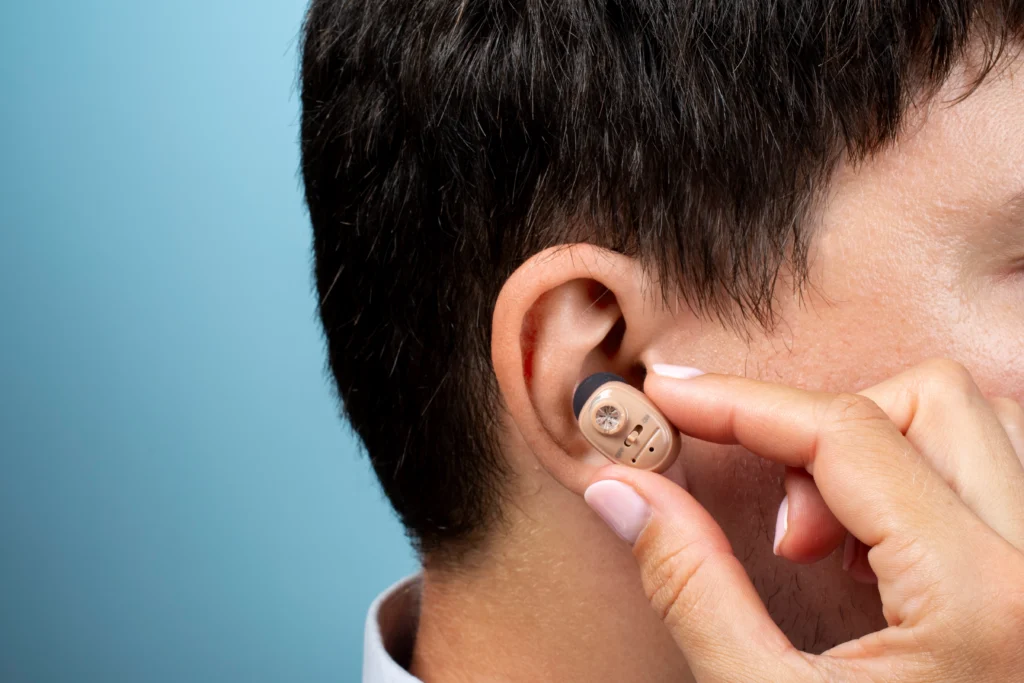
Invisible Hearing Aids – Discreet, Smart & Effective Hearing Solutions Introduction – The Rise of Invisible Hearing Aids As technology evolves, hearing aids have transformed from bulky, visible devices to sleek, sophisticated solutions that blend seamlessly into everyday life. One of the most sought-after innovations in this journey is the invisible hearing aid, designed for individuals who prioritize both functionality and discretion. With growing awareness about hearing loss and the desire for less noticeable hearing solutions, the demand for invisible ear machines has surged. These devices not only offer improved hearing but also cater to aesthetics, comfort, and ease of use. Among the most popular types are Invisible-in-Canal (IIC) hearing aids – compact, deeply placed devices that remain virtually unseen while delivering clear sound quality. What Are Invisible Hearing Aids? How IIC (Invisible-in-Canal) Technology Works Invisible hearing aids, especially IIC models, are placed deep inside the ear canal, close to the eardrum. This strategic positioning ensures that the device remains out of sight while offering a natural sound experience. Compared to other types such as Completely-in-Canal (CIC), Receiver-in-Canal (RIC), and Behind-the-Ear (BTE), IIC hearing aids provide the greatest level of invisibility. While CIC and RIC are relatively small, they may still be slightly visible. In contrast, IIC devices are custom-molded and fit deeper, making them practically invisible. Who Should Consider Invisible Ear Machines? Invisible hearing aids are ideal for: Individuals with mild to moderate hearing loss People who feel self-conscious about wearing hearing aids Users looking for a minimalist, low-profile solution Their discreet nature makes them a favorite among young adults and professionals who prefer not to draw attention to their hearing support device. Advantages of Invisible Hearing Aids Nearly Invisible Appearance The biggest draw of invisible hearing aids is their discreet design. They are custom-made to fit snugly in the ear canal and are barely visible from any angle. This gives users the confidence to engage socially without worry. Natural Sound Quality Being closer to the eardrum enables IIC devices to capture and amplify sound more naturally. This placement minimizes feedback and external noise interference, resulting in clearer and more balanced hearing. Comfortable Fit Invisible hearing aids are designed specifically for your ear canal shape, ensuring a secure and comfortable fit. They stay in place even during physical activity and can be worn for extended periods without irritation. Easy to Use with Phones & Glasses Due to their compact design and internal placement, these devices do not interfere with eyeglasses or the positioning of a phone during calls, ensuring smooth multitasking and convenience. Disadvantages of Invisible Hearing Aids Not appropriate for all forms of hearing loss. While invisible hearing aids are ideal for mild to moderate hearing loss, they may not be effective for those with severe or profound hearing loss. Their small size limits amplification power. Smaller Battery Size The compact design requires smaller batteries, which need more frequent replacement or recharging. Although many modern models offer rechargeable options, battery life is typically shorter than larger devices. Limited Features (in Budget Variants) Entry-level IIC hearing aids might lack advanced features such as Bluetooth connectivity, directional microphones, or AI-based adjustments. However, premium models often compensate for these limitations. Features to Look for in Modern Invisible Hearing Aids Rechargeable Invisible Hearing Aids Rechargeable models are becoming increasingly common. They eliminate the hassle of changing batteries and are environmentally friendly. With a full charge, users can enjoy uninterrupted use for a full day. Bluetooth Connectivity Some high-end invisible hearing aids offer Bluetooth capabilities, allowing users to stream calls, music, and media directly to their devices. This enhances convenience, especially for tech-savvy users. AI-Powered Sound Adjustments Artificial Intelligence (AI) is revolutionizing hearing aids. Premium models now come with AI-driven features that automatically adapt to different environments, filter background noise, and improve speech recognition. Invisible Hearing Aid Prices in India – 2025 Overview Invisible Ear Machine Price Range The price of invisible hearing aids in India varies based on technology, brand, and features. Basic models range from ₹30,000 to ₹60,000. Mid-range models: ₹60,000 to ₹1,00,000 Premium models cost ₹1,00,000+ and include advanced features like Bluetooth, rechargeability, and AI support. Factors Affecting Price Several factors affect the price of invisible hearing aids in India: Brand recognition includes Phonak, Signia, ReSound, Widex, and Starkey. Technology: AI, noise cancellation, app control Customization & comfort Warranty and after-sales service Best Brands for Invisible Hearing Aids in India Phonak Invisible Hearing Aids Phonak offers some of the most advanced IIC hearing aids, known for their smart features and high comfort. Models like Phonak Virto provide excellent speech clarity and Bluetooth streaming. Signia, Widex & Starkey IIC Devices Signia Silk X: One of the smallest and most discreet hearing aids Widex Moment: Known for its pure sound technology Starkey Evolv AI: Integrates AI-based noise filtering and health tracking features. Each brand offers distinct advantages, catering to a variety of needs and budgets. Invisible Hearing Aids vs Other Types – Comparison Table Feature IIC (Invisible) CIC RIC/BTE Visibility Virtually invisible Slightly visible Visible Sound Quality High (natural) High Very high Comfort Custom fit Custom fit Behind-ear fit Battery Life Shorter Moderate Longer Bluetooth Connectivity Limited (premium) Available Widely available Suitable for Severe Loss No Limited Yes Price Range (India) High Mid-High Mid “Need help choosing? Auritron’s audiologists offer personalized guidance to find the perfect ear machine for your lifestyle.” Discover the Right Invisible Ear Machine at Auritron Tech If you’re considering an invisible hearing aid, trust Auritron Tech to provide the best match. We offer: Free hearing assessments by certified audiologists Latest models from trusted global brands Transparent pricing, EMI options & 2-year warranties Personalized fitting and lifetime support We make professional hearing care accessible and affordable. Why Choose Auritron Tech for Your Hearing Needs? Certified audiologists with years of expertise There are no hidden costs; the pricing and trial periods are transparent. Only verified and best-performing hearing aid brands End-to-end support: from diagnosis to device servicing Expert guidance throughout your journey Better technology means fewer repairs, less maintenance
Hearing Aid Prices in India | Best Ear Machine Price in Mumbai – Auritron Tech
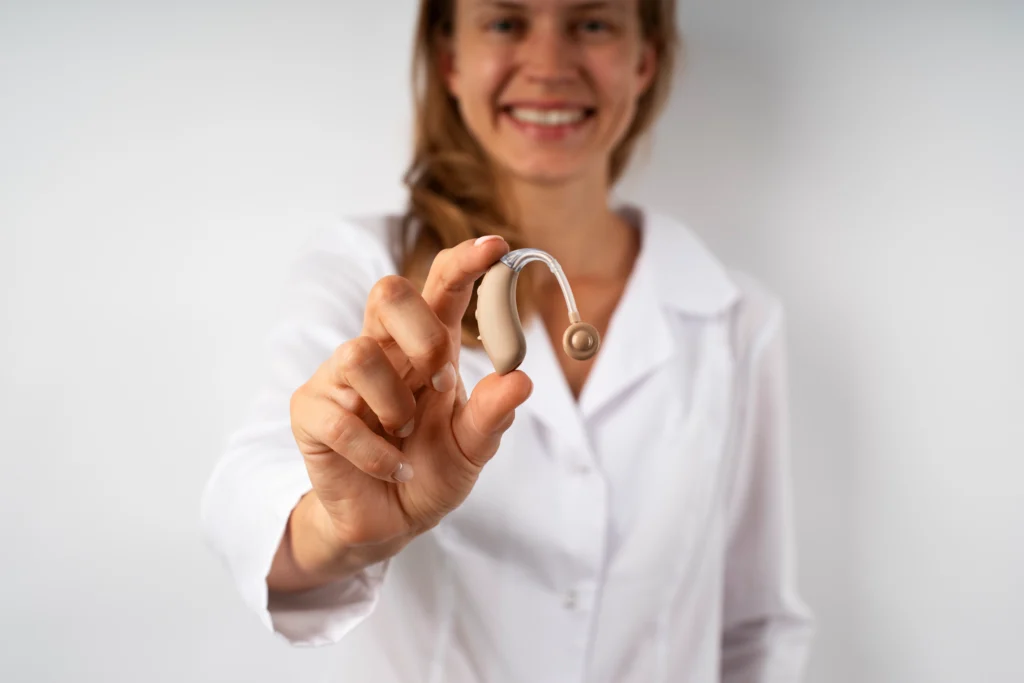
Hearing Aid Prices in India – Compare, Choose & Save with Auritron Tech Introduction Hearing loss is a growing health concern in India, affecting people of all ages and walks of life. The right hearing aid can restore confidence, reconnect you with loved ones, and improve your overall quality of life. However, the wide range of hearing aid prices, features, and brands can make choosing the right device overwhelming. This blog covers: The latest hearing aid prices in India (2025) Types of hearing aids and their costs Key factors affecting prices Where to buy the best hearing aids in Mumbai and Navi Mumbai Auritron Tech is your trusted hearing care provider in Mumbai and Navi Mumbai, offering expert guidance, transparent pricing, and the latest technology. Hearing Aid Prices in India – What to Expect? Hearing aids in India cost between ₹10,000 and ₹3,00,000 per device. This wide spectrum is influenced by technology, brand, model, and service quality. Price Variation by Brand and Location Entry-level: ₹10,000–₹20,000 (basic amplification) Mid-range: ₹50,000–₹1,50,000 (digital, noise reduction, Bluetooth) Premium: ₹1,50,000–₹3,00,000+ (AI, rechargeable, advanced features) Prices in Mumbai may be slightly higher due to service and operational costs, but local providers like Auritron Tech offer competitive pricing and value-added services. CTA: Affordable hearing aid machines at Auritron Tech – Starting ₹10,000 only. Factors That Affect Hearing Aid Prices Technology (Digital vs Analog) Analog: Basic, affordable (₹8,000–₹25,000), limited features. Digital: Superior sound, noise reduction, connectivity (₹25,000–₹3,00,000). Brand & Model Premium brands (Phonak, Signia, Oticon, Widex) offer advanced features and reliability. Features Bluetooth, rechargeable batteries, AI, directional microphones, and more. Customization & Fitting Custom molds and personalized fittings may increase costs but ensure comfort. Location-Based Service Pricing (Mumbai Context) Urban clinics may charge more due to higher operational costs but offer superior after-sales service. After-Sales Service, Warranty, and Consultation Extended warranties, free consultations, and lifetime aftercare enhance value and provide peace of mind. Types of Hearing Aids & Their Cost ITE (In-The-Ear) Discreet, custom-fit. Price: ₹20,000–₹1,50,000 BTE (Behind-The-Ear) Durable, suitable for all ages. Price: ₹15,000–₹2,00,000 CIC (Completely-In-Canal) Nearly invisible, comfortable. Price: ₹25,000–₹2,50,000 RIC (Receiver-In-Canal) Popular, versatile, advanced features. Price: ₹20,000–₹3,00,000 Hearing Aid Price List India – 2025 Updated Guide Brand-Wise Hearing Aid Price Table Brand Entry-Level (₹) Mid-Range (₹) Premium (₹) Phonak 15,000 90,000 2,80,000 Signia 12,000 85,000 2,50,000 Oticon 18,000 1,10,000 3,00,000 Widex 17,000 95,000 2,70,000 Resound 14,000 80,000 2,40,000 Hearing Aid Prices in Mumbai – Why Choose Auritron Tech? Auritron’s Pricing Advantage Competitive prices vs. city averages Transparent billing, no hidden charges In-Clinic and At-Home Service Free home trial and doorstep delivery The Best Deals on Hearing Aid Prices Offer Packs & Combo Offers Family packs, buy-one-get-one discounts Discounts & Seasonal Deals Festive offers, senior citizen discounts How Much Do Hearing Aids Cost? – Breakdown by Need Basic User (Elderly with Mild Loss) Simple models, essential features Price: ₹10,000–₹30,000 Advanced User (Young, Tech-Savvy) Bluetooth, rechargeability, app control Price: ₹50,000–₹3,00,000 What Factors Determine the Cost at Auritron Tech? Personalized Hearing Evaluation Comprehensive tests for accurate fitting Real-Ear Measurement Ensures optimal device programming Certified Audiologist Consultation Expert guidance throughout your journey Free Home Trial / In-Clinic Trial Try before you buy, risk-free Lifetime Aftercare Included Ongoing support and adjustments at no additional cost How to Buy a Hearing Aid at Auritron Tech Step-by-Step Process Schedule a free hearing test (online or in-clinic). Trial: Try recommended devices at home or clinic Buy: Choose your device, EMI & payment options available Support: Enjoy lifetime aftercare and warranty Online Consultation / Clinic Visit Options Flexible appointments to suit your schedule Hearing Device Price – Understanding the Value Price vs. Value Costlier models provide advanced features, comfort, and durability. Long-Term Hearing Comfort Better technology means fewer repairs, less maintenance Why Choose Auritron Tech for Your Hearing Aid? Trusted by thousands of satisfied clients No hidden charges, honest advice Lifetime support, free check-ups Only genuine, latest technology No-obligation expert advice Easy payments, fast delivery +91 9892232702 +91 2247511219 FAQs – Hearing Aid Prices in India What is the cheapest ear machine price? Entry-level hearing aids start at ₹10,000 at Auritron Tech. Are digital hearing aids worth it? Yes, digital aids offer superior sound quality, noise reduction, and connectivity. Does insurance cover hearing aid cost? Some health insurance plans may partially cover hearing aids. Check with your provider. Where can I get a free hearing test in Mumbai? Auritron Tech offers free hearing tests at all Mumbai and Navi Mumbai clinics. Entry-level hearing aids start at ₹10,000 at Auritron Tech. Yes, digital aids offer superior sound quality, noise reduction, and connectivity. Some health insurance plans may partially cover hearing aids. Check with your provider. Auritron Tech offers free hearing tests at all Mumbai and Navi Mumbai clinics. Conclusion – Better Hearing Starts at the Right Price Choosing the right hearing aid is about more than just price – it’s about value, comfort, and ongoing support. Auritron Tech combines expert care, the latest technology, and transparent pricing to ensure you get the best hearing solution for your needs. Auritron Tech offers the best hearing aid prices in India. Book a free hearing test today!