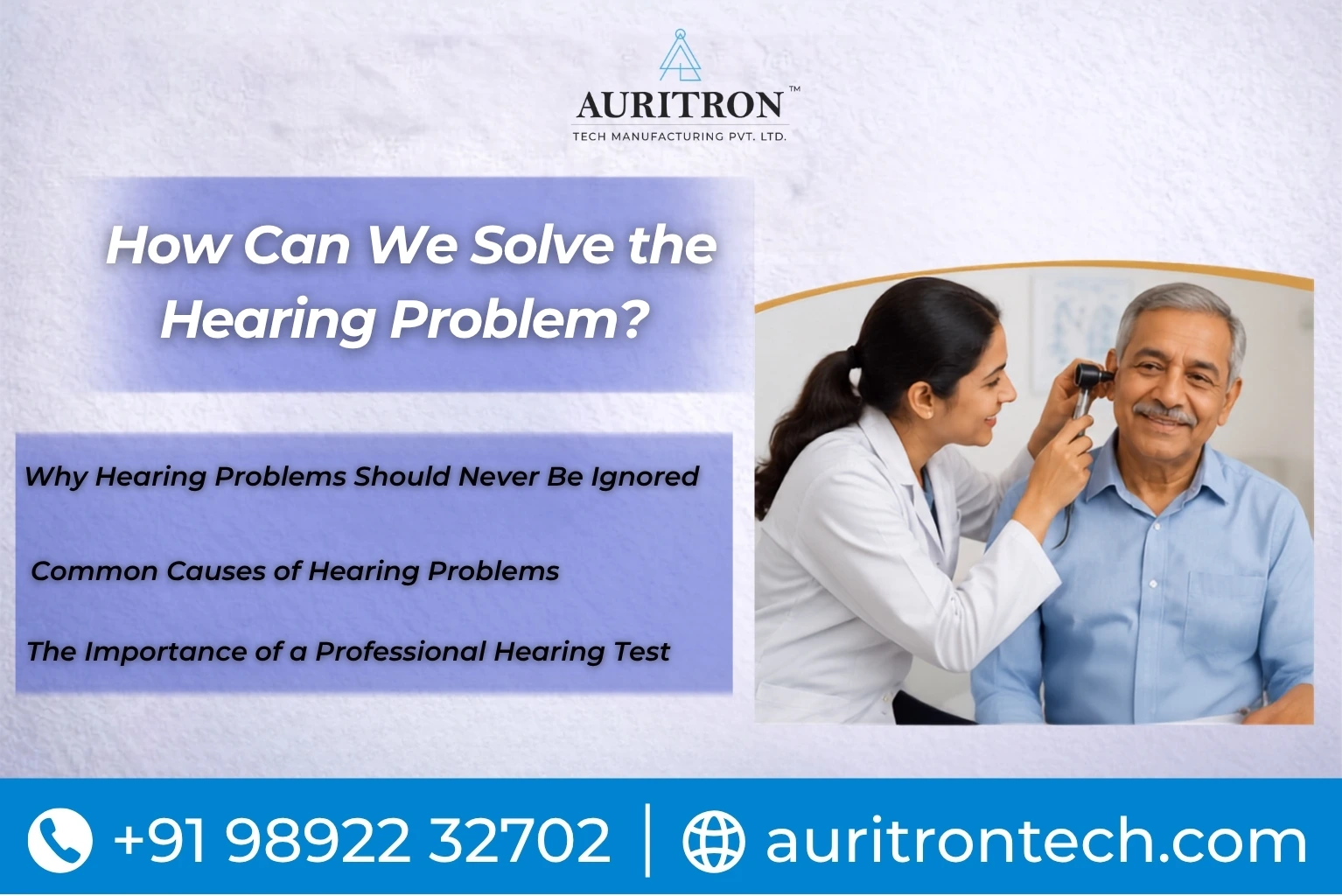
Hearing loss can occur gradually, often going unnoticed in its early stages.
You may start missing soft conversations, feeling tired after social gatherings, or turning up the volume more than usual.
At that point, people often wonder — what level of hearing loss requires a hearing aid?
The answer depends on how much sound your ears can detect and process.
Audiologists measure hearing in decibels (dB).
Normal hearing ranges between 0–25 dB, and any threshold beyond that indicates varying degrees of hearing loss.
Understanding this scale is the first step toward better hearing care.
Hearing loss is classified into five main levels based on the intensity of sound needed for perception.
These include mild, moderate, moderately severe, severe, and profound hearing loss.
People with mild hearing loss may miss soft sounds like whispers or distant voices.
They can follow one-on-one conversations in quiet settings but struggle in noisy areas such as restaurants or gatherings.
While some manage without hearing aids, early adoption helps reduce listening strain and maintain brain responsiveness.
Average range: 26–40 dB
Severe hearing loss makes it hard to hear even loud environmental sounds like car horns or alarms.
Profound loss means you can’t hear most sounds, even at high volumes.
For such conditions, powerful hearing aids or cochlear implants are often suggested by audiologists.
Average range: 71–90+ dB
You should consider using a hearing aid when your hearing loss begins to affect your daily communication or safety.
If conversations seem muffled or you rely heavily on lip-reading, it’s time to act.
Delaying the use of hearing aids can make the brain less responsive to sound over time.
Studies show untreated hearing loss can contribute to social withdrawal, depression, and cognitive decline.
Starting early allows your brain to adapt easily, and with advanced technology like digital hearing aids, you can enjoy clearer, more natural sound quality without discomfort or feedback.
For mild hearing loss, lifestyle adjustments and medical treatments can sometimes help before needing a hearing device.
However, if mild hearing loss interferes with conversations or work communication, consider hearing aids.
Modern devices are lightweight, nearly invisible, and can be customized to your listening environment.
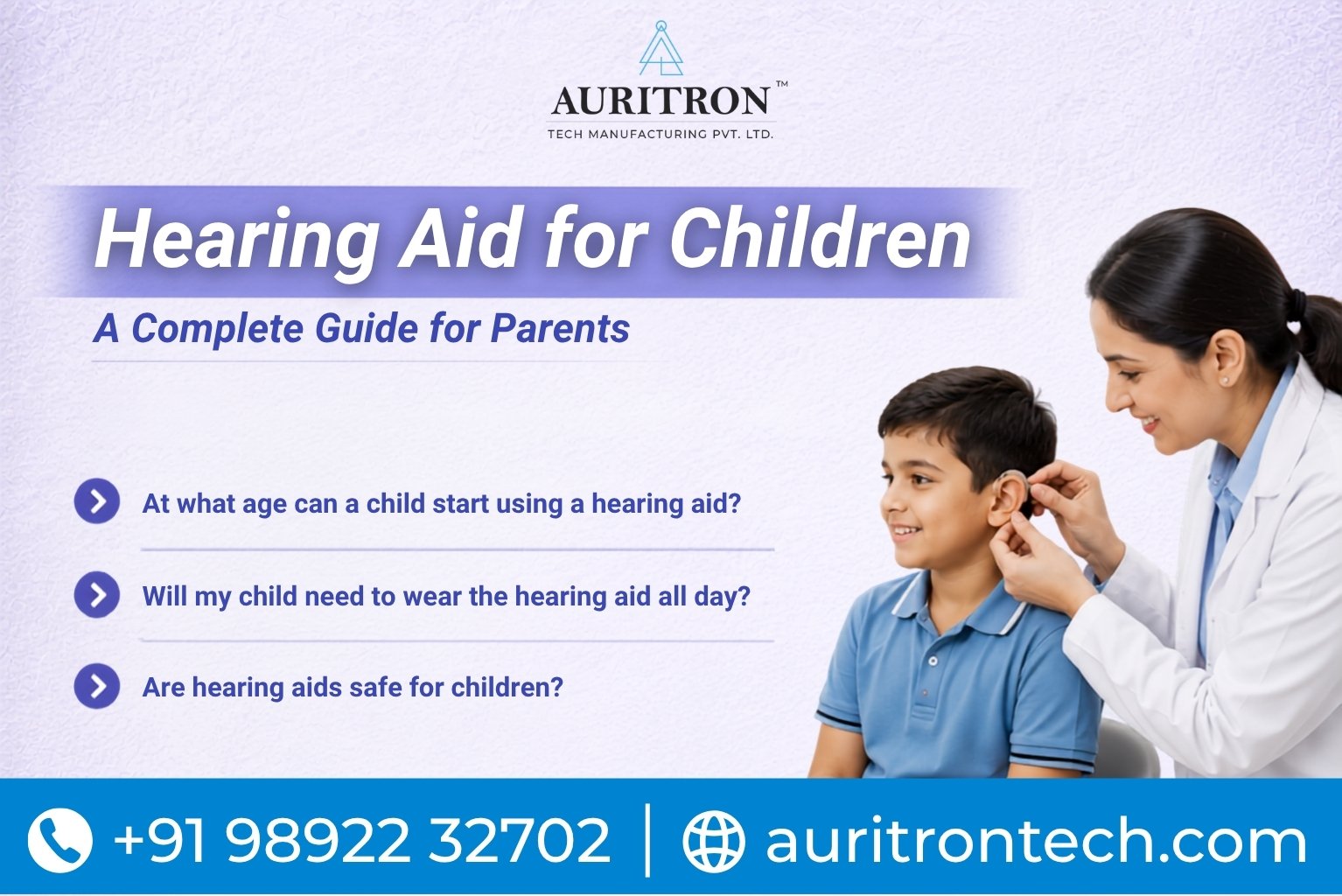
Hearing loss in toddlers requires immediate attention to ensure proper speech and language development.
Parents should watch for signs like a lack of response to sounds, delayed speech, or constant high TV volume.
Treatment depends on the cause and severity.
Common approaches include:
Early intervention can help toddlers develop normal communication skills and prevent long-term developmental challenges.
Yes, hearing loss in one ear can cause dizziness or imbalance.
This happens because the inner ear controls both hearing and balance.
Conditions such as Meniere’s disease, acoustic neuroma, or inner ear infections may trigger one-sided hearing loss and vertigo.
If you experience dizziness along with hearing difficulty, get a professional evaluation immediately.
Early diagnosis can help treat the underlying issue and prevent further damage to the ear’s balance system.
When it comes to hearing care, technology and precision matter.
Auritron stands out for its commitment to innovation, comfort, and personalized solutions for every degree of hearing loss.
Here’s why thousands trust Auritron:
By combining advanced technology with personalized care, Auritron makes better hearing simple, seamless, and satisfying.
Every level of hearing loss deserves attention even the mildest one.
Getting a hearing test helps determine whether you need hearing support and what type suits you best.
Addressing hearing problems early can enhance your communication, confidence, and overall well-being.
If you’re noticing changes in how you hear, take action now.
With Auritron, you can rediscover sound clarity and enjoy life’s conversations again without limits.
You may start missing soft sounds or asking people to repeat themselves often.
Yes, untreated hearing loss can worsen over time and lead to communication difficulties and cognitive strain. Here are the hearing aid advantages and disadvantages for better understanding.
Yes, even mild hearing loss can benefit from hearing aids to improve clarity and reduce mental fatigue.
Avoid loud environments, use ear protection, and get regular hearing check-ups to keep your hearing healthy.