
Tips for Taking Care of Hearing Aids
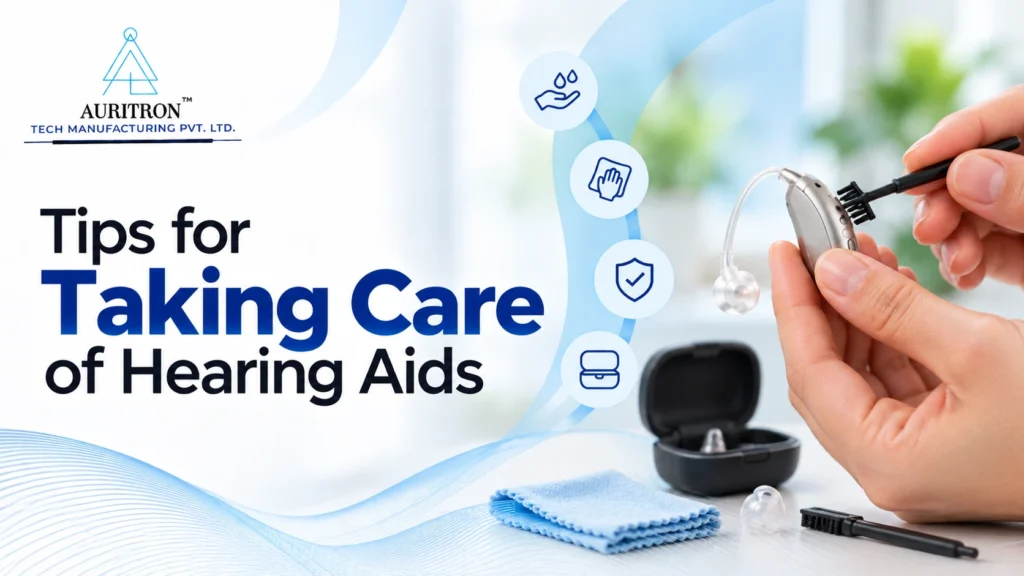
Blog Book An Appointment Tips for Taking Care of Hearing Aids Your hearing aid is basically doing overtime every single day, picking up speech, filtering noise, helping you catch things you’d otherwise miss. But like anything electronic that sits on your body for twelve-plus hours, it needs a bit of looking after. The good news is that most of this care isn’t complicated. It’s small daily habits, not some big maintenance project. Earwax, sweat, dust, dropping it on the bathroom counter, these are the things that actually cause problems, and they’re all fairly avoidable once you know what to watch for. Spend two minutes a day on this and you’ll dodge most of the common issues. And honestly, once you get familiar with your own device, you’ll start noticing when something’s off before it turns into a real problem. Why Bother With Hearing Aid Care in the First Place? Because inside that tiny device is a microphone, a speaker, a receiver, and a bunch of electronics that really don’t like earwax, moisture or dirt. Keep that stuff away and you’ll get clearer sound and fewer surprises. There’s also the money side of it. A hearing aid that’s cleaned properly and stored somewhere sensible is far less likely to need a repair caused by, honestly, avoidable stuff, gunk build-up, a splash of water, that kind of thing. One thing worth saying clearly, though. Cleaning it yourself is not a substitute for a proper check-up. If something’s genuinely wrong, no amount of wiping it down is going to fix that. How Do You Actually Clean Them? Depends a bit on your specific model, so check what the manufacturer says. But as a general rule, start by giving the outside a gentle wipe with a soft, dry cloth. If there’s a removable dome, earmould or wax filter, take a look and see if there’s any visible buildup. And here’s the big one, never run it under a tap. Ever. Don’t reach for alcohol or household cleaning sprays either, unless the manufacturer has specifically told you it’s fine for your model. Liquid finding its way into the tiny openings around the microphone is basically how hearing aids die. If you’ve got a behind-the-ear or receiver-in-canal model, pay extra attention to the bit that actually sits in or near your ear canal. Any visible wax or gunk, deal with it using the removable parts as instructed, not by poking something sharp into the device. That’s how you make a small problem much bigger. What About Moisture? That Seems to Be the Big Enemy It genuinely is. Moisture causes more hearing aid grief than almost anything else. Take them out before you shower, swim, or do anything where they might get properly wet, unless yours is specifically built to handle that. Sweat counts too. If you’ve been exercising, or it’s just brutally humid out, wipe them down afterward with a dry cloth and let them air-dry naturally. A drying box or dehumidifier is honestly a good investment if you sweat a lot or live somewhere humid. And whatever you do, don’t try to speed-dry a wet hearing aid with a hairdryer, a heater, or anything hot. That’s a fast way to fry the internal components. Keep Your Hearing Aid in Good Condition Book An Appointment Where Should You Actually Store Them? Somewhere clean, dry, and in the case they came with. Keep that case out of direct sun, away from heat, away from damp spots, and somewhere it’s not going to get knocked off a shelf. If you’ve got kids or pets around, keep the devices, batteries, and any small parts well out of reach. Small button batteries in particular are genuinely dangerous if swallowed, so this one isn’t just about protecting the device. Disposable battery users, follow whatever storage guidance came with your batteries. If you’re on rechargeable devices, pop them in the charging station the way you’re meant to when they’re not in your ears. Simple habit, easy to forget, worth building in. How Should Batteries Be Handled? Different rules depending on disposable or rechargeable. For disposable batteries, leave them in their original packaging until you actually need them. Do not carry loose batteries around in a pocket with coins or keys. Metal touching the battery contacts can cause a short circuit, which is more annoying and occasionally more dangerous than people realise. When you swap in a fresh one, make sure the battery compartment itself is clean and dry first. If you spot corrosion, leakage, or the battery’s just behaving strangely, stop using it and follow whatever safety steps the manufacturer lists. Don’t try to push through it. Rechargeable users, stick to the charger that came with the device or one the manufacturer approves. Keep the charging contacts clean and double-check the hearing aid is actually sitting correctly in the charger, it’s easy to think it’s charging when it’s just perched at a slight angle doing nothing. So How Often Should You Actually Clean These Things? A quick daily wipe handles surface moisture and everyday grime. Nothing fancy, just a soft cloth, thirty seconds, done. A proper inspection, a few times a week is reasonable, more if you produce a lot of earwax or sweat a lot. Wax filters, domes, and other small removable bits will eventually need swapping out once they’re blocked or damaged. Exactly how often varies by model and by person, there’s no single fixed number. If the sound suddenly drops even though the battery’s fine, check the microphone opening, speaker, and wax filter for a blockage first. If cleaning doesn’t bring it back, that’s your cue to get it looked at professionally rather than keep fiddling with it. Things You Should Just Avoid Doing Handle them with clean, dry hands. Try not to drop them, obviously, but it happens, so be mindful around hard floors and sinks. When you’re putting them in or taking them out, hold the actual body of the device rather than yanking on tubing