How Long Do Hearing Aid Batteries Last?
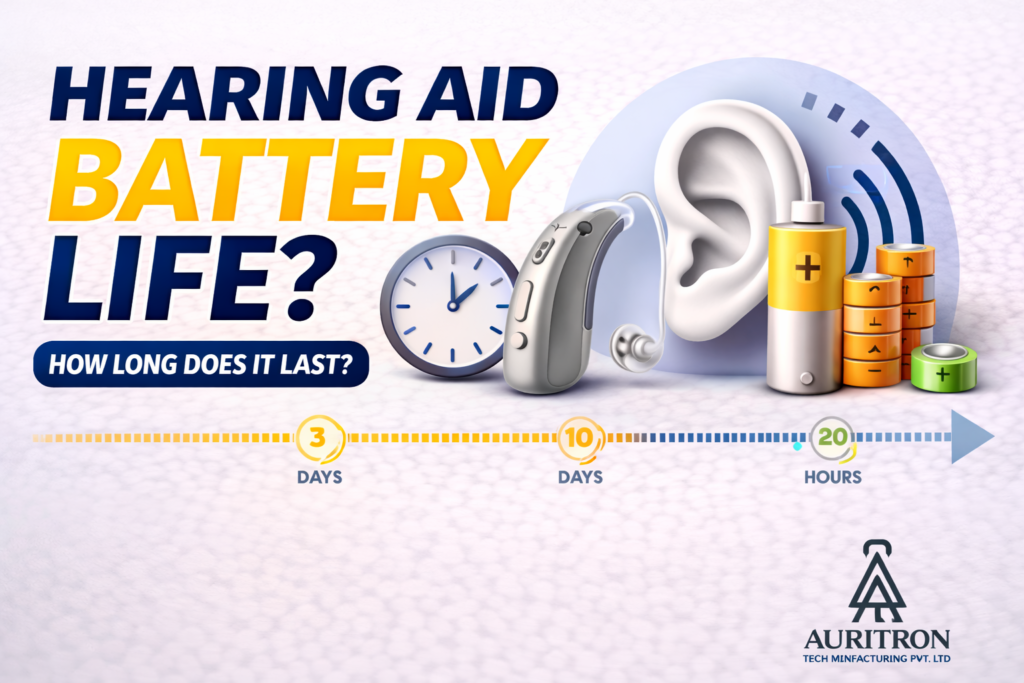
How Long Do Hearing Aid Batteries Last? For anyone using hearing aids, battery performance is one of the most common concerns. Since these devices rely heavily on power, users often ask: how long do hearing aid batteries last? The type of battery, how the gadget is used, and how it is maintained all affect the response. While some batteries last only a few days, others may function for weeks before replacement or recharging. By understanding the lifespan and how to maintain batteries, users can avoid frequent interruptions and improve their overall hearing aid experience. Factors That Affect Hearing Aid Battery Life The duration of hearing aid batteries is not fixed. Multiple factors influence how long a battery can last in everyday use. Type of Hearing Aid Battery Different batteries have different lifespans. Depending on size, disposable zinc air hearing aid batteries typically last three to ten days. Smaller batteries drain faster, while larger ones offer extended life. Rechargeable hearing aids often last 18–24 hours per charge, depending on features used. Usage and Hearing Aid Settings Battery life depends on how often the hearing aid is used and at what settings. Features like Bluetooth connectivity, noise reduction, and continuous streaming drain more power. Someone using their aids all day will need more frequent replacements than a part-time user. Environmental Conditions Moisture, temperature, and altitude affect performance. Cold conditions can limit hearing aid battery life, while humid surroundings may deteriorate disposable batteries faster. Proper storage in dry conditions helps maintain consistent performance. Average Lifespan of Hearing Aid Batteries On average, hearing aid batteries last anywhere from a few days to several years, depending on type. Disposable Zinc Air Batteries The most common option, these batteries activate when exposed to air after removing the protective tab. They typically last: Size 10: 3–5 days Size 312: 5–7 days Size 13: 7–10 days Size 675: 10–14 days Although convenient, they require frequent replacement and safe disposal Rechargeable Hearing Aid Batteries Rechargeable models are growing in popularity. Lithium-ion batteries last about 18–24 hours per charge, depending on usage. With proper care, they can continue functioning well for 3–5 years before requiring replacement. For users with active lifestyles, this offers convenience and sustainability compared to disposables. How to Extend Hearing Aid Battery Life Taking a few preventive steps can maximize battery efficiency. Proper Storage of Batteries Always store unused batteries in a cool, dry place. Avoid leaving them in extreme heat or direct sunlight. For zinc air batteries, let them sit for at least 1 minute after removing the tab before inserting, as this activates the airflow needed for power. Maintenance and Cleaning Tips Regular hearing aid cleaning reduces strain on the battery. Earwax and moisture buildup can make the device work harder, draining power faster. Keeping the hearing aids dry, using a dehumidifier box, and turning them off when not in use will help extend overall hearing aid battery life. When to Replace Hearing Aid Batteries Signs that indicate replacement include weaker sound, frequent beeping alerts, or the device not turning on. Disposable batteries should be replaced immediately when depleted, while rechargeable models should be charged daily and replaced only after a few years of use. Timely replacement ensures uninterrupted hearing support. Conclusion Understanding how long do hearing aid batteries last helps users plan ahead, avoid disruptions, and improve device efficiency. Whether using disposable zinc air or rechargeable batteries, proper care, storage, and maintenance play a vital role in extending lifespan. By making informed choices and adopting good care habits, users can enjoy reliable performance from their hearing aids and reduce long-term costs. +91 9892232702 +91 2247511219 FAQs How often should I change disposable hearing aid batteries? Most users replace them every 3–7 days, depending on size and usage Do rechargeable batteries last all day? Yes, most rechargeable models provide 18-24 hours of use on a single charge. Does Bluetooth streaming reduce battery life? Yes, continuous streaming drains batteries faster than normal use. Can I make zinc air batteries last longer? Yes, by removing the tab only when ready to use and storing them properly How long is the battery life of rechargeable hearing aids before needing to be replaced? Typically 3-5 years, depending on usage and care. Most users replace them every 3–7 days, depending on size and usage Yes, most rechargeable models provide 18-24 hours of use on a single charge. Yes, continuous streaming drains batteries faster than normal use. Yes, by removing the tab only when ready to use and storing them properly Typically 3-5 years, depending on usage and care.
How to Clean Hearing Aids at Home Safely and Easily
How to Clean Hearing Aids at Home Safely and Easily How to Clean Hearing Aids at Home Safely and Easily Hearing aids are life-changing devices that bring clarity and connection to everyday conversations. Because they are worn in and around the ear, they are constantly exposed to earwax, sweat, moisture, dust, and oils from the skin. These elements can quickly affect performance if proper care is neglected. For this reason, knowing how to clean hearing aids at home is a vital part of hearing aid maintenance. When cleaned regularly, your hearing aids deliver better sound quality, last longer, and ensure greater comfort while wearing them. Why Cleaning Hearing Aids Matters Hearing aids may look small, but they are delicate devices made up of microphones, receivers, vents, and tubing that can easily become blocked with wax and debris. Without proper care, you might notice muffled sounds, sudden feedback noises, or even device malfunctions. Understanding how to clean hearing aids at home is not just about appearance; it directly impacts how well you hear. Dirty hearing aids also pose risks for ear health, as bacteria can accumulate and cause irritation or infections in the ear canal. By keeping your devices clean, you not only enjoy clearer sound but also protect your ear health and avoid unnecessary repairs. Daily Cleaning for Better Sound Cleaning should be a habit just like brushing your teeth. Spend a few minutes cleaning your hearing aids each night before sleeping. First, take them out of your ears and use a clean, dry cloth to gently wipe the outside of them. Keep an eye out for any wax or dirt that may be apparent, particularly at the apertures where sound enters and leaves. Using a brush, gently clean the microphone ports, but always hold the device upside down so that debris falls away instead of entering further into the system. The wax guards should also be inspected daily. If they appear clogged, replace them promptly, as ignoring this can affect sound quality significantly. The golden rule of how to clean hearing aids at home is to avoid water, cleaning sprays, or alcohol-based wipes, since moisture can harm the electronics permanently. “Your hearing is personal. Let our experts personalize your hearing solution.” Weekly Maintenance for Hygiene Apart from daily care, a deeper clean once a week helps maintain overall hygiene and performance. Detach the earmold from behind-the-ear models that have them, then carefully wash it with warm water and mild soap. After cleaning, allow it to air dry fully before reattaching it to your hearing aid. Wax and moisture can accumulate inside BTE device tubing. Use a blower or cleaning wire to push out any trapped debris. Use specialized wipes designed for hearing aids to clean the outside casing of in-the-ear devices. Following this weekly routine ensures that you always get the best from your device Common Mistakes to Avoid Many people accidentally damage their devices because they do not know the right methods. A common mistake is using sharp tools like pins or toothpicks to clean vents or microphone ports. This often causes permanent scratches or damage. Others attempt to wash the entire device in water or expose it to hairdryers, which can lead to complete device failure. The best way to remember how to clean hearing aids at home safely is to be gentle, patient, and consistent. Avoid exposing your device to hair sprays, perfumes, or lotions, as they may block tiny openings and leave residue inside the hearing aid. While ITE aids are more discreet, BTE aids are superior in performance, especially for users needing more power, flexibility, and features. When Professional Cleaning Becomes Necessary Even if you clean your devices daily, there are times when professional help is required. If your hearing aids still sound muffled after cleaning, or if you notice that wax keeps building up despite using guards, then a deeper cleaning from a hearing care professional is the safest solution. Sometimes, internal components may need servicing, which cannot be handled at home. Therefore, while how to clean hearing aids at home should be your regular routine, professional checkups are equally important to keep your devices working at peak performance Popular models include Phonak Audéo, ReSound ONE, and Signia Motion Charge&Go. Tips for Extending the Life of Your Hearing Aids A well-maintained device can last for several years, reducing repair and replacement costs. In addition to cleaning, keep your hearing aids out of direct sunlight and in a dry location. If you live in a humid area or sweat heavily, using a hearing aid dehumidifier box at night can protect the device from moisture damage. Rechargeable models should be charged properly as per manufacturer instructions to avoid battery issues. For traditional battery models, change batteries promptly and avoid leaving old batteries inside for too long, as leakage may cause damage. When you practice how to clean hearing aids at home regularly along with proper storage, you can enjoy clear sound and dependable performance every day. Conclusion Maintaining your hearing aids is not complicated when you understand the correct process. The key is to follow a simple daily and weekly cleaning routine, avoid harmful cleaning practices, and know when to seek professional help. By consistently practicing how to clean hearing aids at home, you can preserve sound clarity, prevent breakdowns, and ensure that your devices continue supporting your daily communication needs. A few minutes of care each day truly makes a big difference in both the performance and lifespan of your hearing aids +91 9892232702 +91 2247511219 FAQs How frequently should my hearing aids be cleaned? Cleaning should be done daily, with a deeper cleaning routine performed weekly. Can I use water to clean hearing aids? No, water should never come into contact with the electronic parts. You can only wash earmolds with water and mild soap. What should I do if my hearing aids get wet? After taking out the battery right away, wipe the item down with a gentle cloth and put
Digital Hearing Aids: Benefits, Care, and Accessories
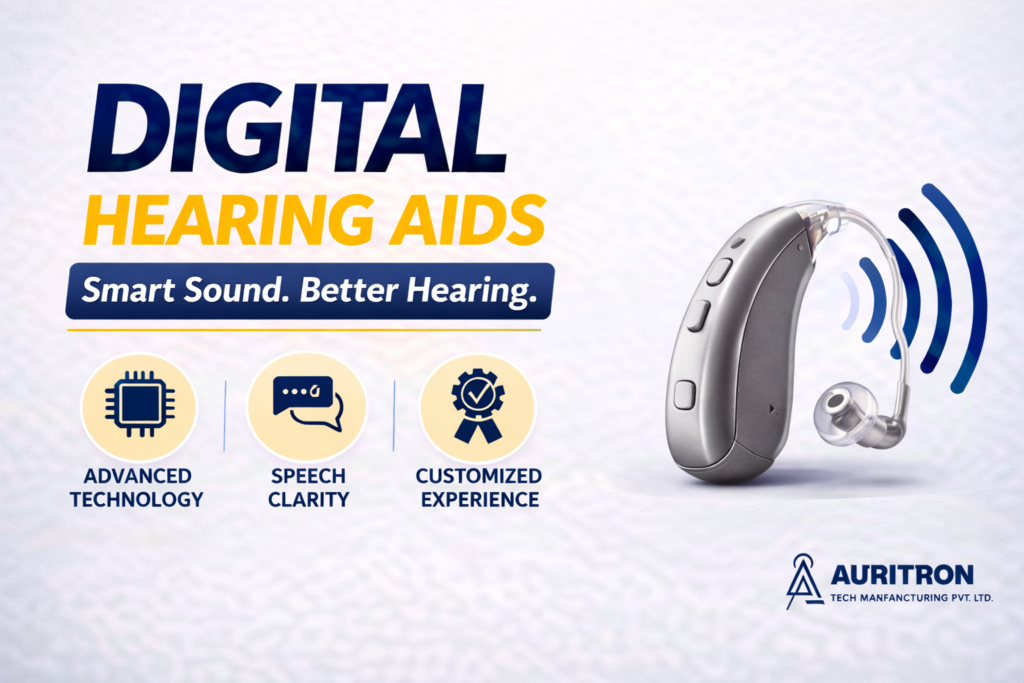
BTE Hearing Aids: A Smart Choice for Clearer Hearing. Introduction: Are Behind-The-Ear Hearing Aids Right for You? When choosing a hearing aid, one of the most trusted and widely recommended styles is the Behind-The-Ear (BTE) hearing aid. Known for their durability, flexibility, and powerful amplification, BTE hearing aids are suitable for users of all ages and almost every level of hearing loss. Whether you’re exploring options for yourself or a loved one, understanding how BTE devices work, their features, pricing, and benefits can help you make a confident and informed decision. What Are BTE Hearing Aids? What Does BTE Mean in the Context of Hearing Aids? BTE stands for Behind-The-Ear. These hearing aids rest comfortably behind the ear and are linked to an earmold or dome that fits inside the ear canal via a clear tube. They have more powerful components than smaller models, making them suitable for moderate to severe hearing loss. How Do They Work? Sound is collected by the microphone, amplified digitally inside the device, and then delivered into the ear through the tube and earmold. BTE devices offer excellent sound clarity, wide frequency range support, and high user customization through modern technology. Why Choose a BTE Hearing Aid? Versatility: Suitable for mild to severe hearing loss. Power: Stronger amplification than other types Ease of Use: Easy to handle, especially for elderly users Connectivity options include Bluetooth, AI-enhanced noise control, and smartphone compatibility. Battery Options: Long battery life and rechargeable models are available. 5 Best Features of BTE Hearing Machines 1. Bluetooth & Wireless Streaming : Modern BTE hearing aids often come with Bluetooth technology, allowing you to connect your hearing aid to smartphones, TVs, and other devices for streaming calls, music, or podcasts directly. 2. Rechargeable Batteries: Several BTE models now come with built-in rechargeable batteries, reducing the hassle of frequent replacements and making them eco-friendly. 3. Noise Reduction & Feedback Cancellation: Advanced signal processing filters out background noise and reduces feedback, ensuring clearer conversations in noisy settings like markets or restaurants. 4. Telecoil Compatibility : Useful for phone conversations and public venues with hearing loops, telecoil compatibility is a common feature in BTE models. 5. Customizable Fitting & Remote Adjustments: BTE devices are available in different sizes and styles, and many models now offer remote tuning and app control to fine-tune your hearing experience. Where to Find the Finest BTE Hearing Aids at the Best Prices in India India has emerged as a top destination for quality hearing care at affordable costs. At Auritron Tech, we provide world-class BTE hearing aids from trusted brands with: Free hearing evaluations Transparent pricing and EMI options On-site fitting and post-sale support Clinics in Panvel and Navi Mumbai “Your hearing is personal. Let our experts personalize your hearing solution.” Is BTE Hearing Aid Right for You? A BTE hearing aid could be ideal for you if: You have moderate to profound hearing loss You prefer a device that’s easy to manage You want extended battery life You are looking for durability and weather resistance These hearing aids are especially suitable for the elderly or those with dexterity issues. Advantages of Behind-The-Ear (BTE) Hearing Machines Broad Amplification Range: Works for nearly all levels of hearing loss Durability: Designed to last with robust outer casing Ease of Cleaning and Maintenance: Simple to keep in top condition Comfortable Fit: Can be worn all day without itching. Feature-Rich: Compatible with accessories like remote mics, streamers, and mobile apps BTE vs. ITE Hearing Aids: Which One is Superior? Feature BTE Hearing Aid ITE Hearing Aid Visibility Visible behind the ear Fits inside the ear canal Sound Power Higher Moderate Ease of Handling Easy Tricky for seniors Connectivity Options Extensive Limited (in basic models) Battery Life Longer Shorter Suitable for Severe Loss Yes Not always While ITE aids are more discreet, BTE aids are superior in performance, especially for users needing more power, flexibility, and features. Do BTE Hearing Aids Come with Bluetooth? Yes, many of today’s BTE digital hearing aids are Bluetooth compatible. This allows for: Wireless streaming from smartphones, laptops, TVs Hands-free calling Audio customization via companion apps Popular models include Phonak Audéo, ReSound ONE, and Signia Motion Charge&Go. What Are the Top Brands of BTE Hearing Aids for Severe Hearing Loss? 1. Phonak Highly trusted for medical-grade digital hearing aids with rechargeable batteries, Bluetooth, and health tracking features. 2. Signia Offers AI-based hearing and innovative design in models like Signia Motion. 3. ReSound Known for superior natural sound experience and app integration. 4. Widex Exceptional for music lovers who want pure sound with minimal distortion. All these brands are available at Auritron Tech clinics with custom fitting support. How Much Does a BTE Hearing Aid Cost in India? 1. BTE Hearing Aid Prices in India (2025) Basic models: ₹20,000 to ₹40,000 Mid-range: ₹50,000 to ₹70,000 Premium: ₹80,000 to ₹1,50,000+ 2. What Affects the Price? Technology (Bluetooth, rechargeability, AI) Brand reputation and model In-clinic services and warranty coverage Audiologist support and after-sales service Find the Perfect BTE Hearing Aid at Auritron Tech. Auritron Tech simplifies the process of choosing the perfect BTE hearing aid. Here’s why users across Panvel and Navi Mumbai trust us: Certified Audiologists for accurate diagnosis and fitting Bluetooth, artificial intelligence, and app-controlled digital hearing aid models Trial options, EMI, and 2-year warranty Ongoing support, service, and counseling Book your free consultation and explore models suited for your lifestyle. Conclusion: Powerful Performance Meets Daily Convenience BTE hearing aids remain the gold standard for those who value dependability, performance, and connectivity. Whether you need full-day power, clear sound in crowds, or easy use for elders, BTE devices tick all the boxes. With Auritron Tech, you’re not just buying a hearing aid – you’re investing in expert care, tailored advice, and lifelong hearing support. Let your journey to better hearing begin today. +91 9892232702 +91 2247511219 FAQs – BTE Hearing Aids in India What does BTE stand for in hearing aids? BTE stands for Behind-The-Ear. These devices, which sit behind your